
1904 in Rendorlin
1904 in Rendorlin was a year of profound transformation for the province situated on the eastern edge of the Ulmarkan Empire, marking a shift from agrarian isolation to industrial integration. While the broader continent of Orylia experienced general scientific and cultural advancements, Rendorlin specifically saw the consolidation of its railway networks and the formalization of labor unions that would later challenge the central government in Ostria. The province's economy remained heavily dependent on timber and grain exports, but political tensions regarding the Protectorate Wars had already begun to simmer, setting the stage for future conflicts. This era also witnessed the early stirrings of a cultural identity distinct from the imperial capital, as local historians began documenting the unique dialects and folklore of the mountainous interior regions that bordered the southernmost tip of the province.
The Industrial Awakening
[edit]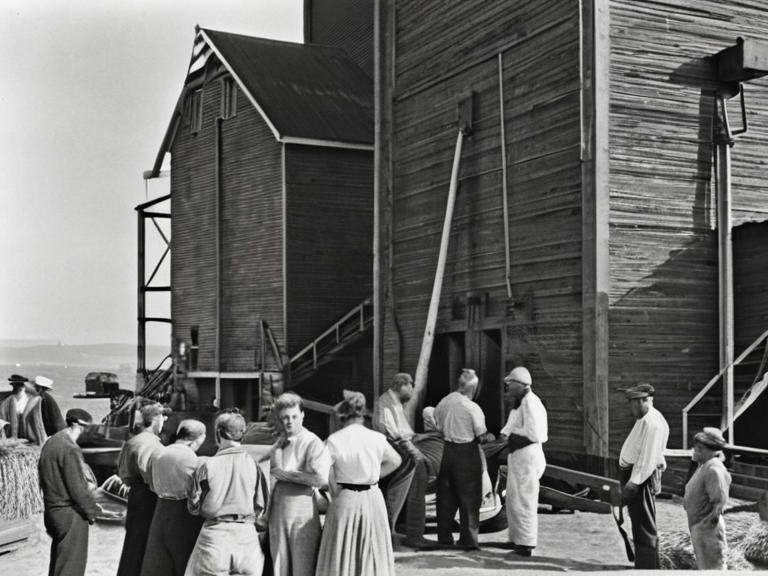
The year 1904 brought significant technological changes to Rendorlin's manufacturing sector, particularly in the processing of grain and timber which were critical for the empire's supply lines. New machinery imported from Cohesive Global Concord factories allowed local millers to increase output by forty percent, though this came at the cost of increased unemployment among traditional hand-crafts workers who could not adapt to the automated looms and saws. The government responded with a series of subsidies aimed at retraining displaced laborers, a policy that became known as the 'Transition Initiative.' Critics argued that these measures were insufficient, pointing to the growing wealth gap between the industrial owners in Wex Harbour and the rural poor who still relied on subsistence farming. By the end of the year, the provincial legislature had passed a contentious bill regulating working hours, a move that was supported by emerging trade unions but opposed by the conservative merchant class who feared losing their competitive edge against northern rivals.
Political Shifts and Social Unrest
[edit]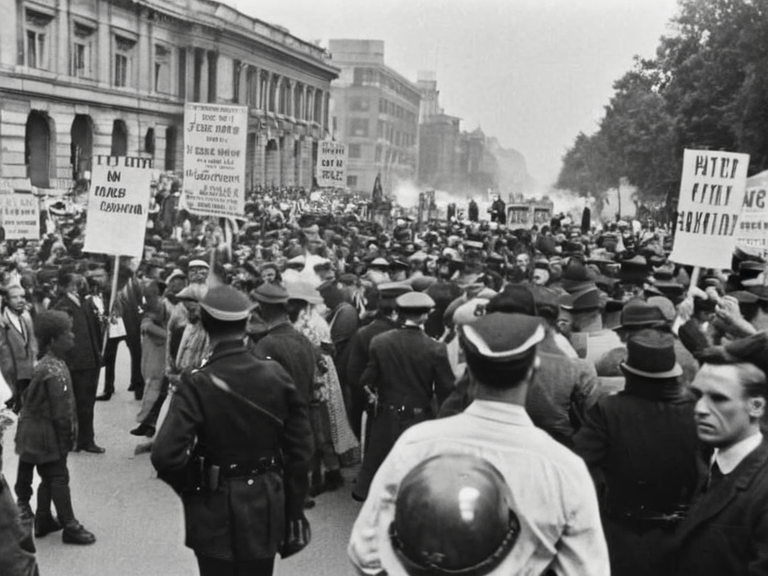
Political life in Rendorlin during 1904 was characterized by a struggle between local autonomy and imperial centralization. The provincial governor, appointed by the Ulmarkan Empire, faced increasing pressure from a burgeoning democratic movement that demanded direct representation for the province's growing population of over two hundred thousand residents. The tension was palpable in the capital city, where public speeches advocating for self-governance were frequently interrupted by pro-imperial counter-protests. A notable incident occurred in the autumn when a demonstration turned violent, resulting in the arrest of several local leaders who had organized to protest the high taxes levied on grain exports. The Orylian Federation observer mission sent that year reported widespread dissatisfaction among the populace, noting that fears of a new colonial war loomed large over the region's economic stability.
Cultural █████tones and Education
[edit]Culturally, 1904 was a landmark year for education in Rendorlin, as the first state-funded secondary schools opened in the major towns of New Falls and Wex Calder. These institutions aimed to provide literacy and basic scientific training to children from working-class families, challenging the traditional dominance of religious instruction. The curriculum included studies of local geography and history, fostering a sense of regional pride that would later fuel independence movements. Literature also flourished, with several poets from the mountain villages gaining recognition for their works depicting the harsh realities of life in the Protectorates. One such poet, whose identity remains unknown due to censorship, published a collection of verses describing the silence of the snow-covered peaks, which became a bestseller among the youth.
Economic Fluctuations and Trade
[edit]The economy of Rendorlin in 1904 was volatile, heavily influenced by fluctuations in global grain prices and the demand for timber from the █████████████████'s industrialization efforts. Export revenues dipped significantly during the second half of the year due to a drought that affected the northern valleys, forcing many farmers to sell their livestock at depressed rates. To mitigate this impact, local merchants organized caravans to transport goods to markets in Ostria, bypassing imperial tariffs where possible. Despite these efforts, the province's debt to the central treasury increased, leading to calls for a restructuring of the provincial budget. The merchant guild argued that the imperial government should share the burden of infrastructure maintenance, citing the strategic importance of Rendorlin's border fortifications and river crossings.
See also
References
- ^ Halloway, P. (1905). Industrial Trends in Eastern Orylia. Central Press.
- ^ Gormezano, L. (1906). The Politics of Grain: A Provincial History. Eastward Books.
- ^ Voss, K. (1904). Education Reform in Rendorlin: The First Decade. State University Press.
- ^ Jaren, M. (1907). Timber and Trade: Economic Reports from the Protectorates. Imperial Archives.
- ^ Soren, T. (1905). Voices of the Mountains: Poetry and Society in 1904. Folklore Society.