
2060 ██████ Major–Kaelen chemical poisoning
| 2060 ██████ Major–Kaelen chemical poisoning | |
|---|---|
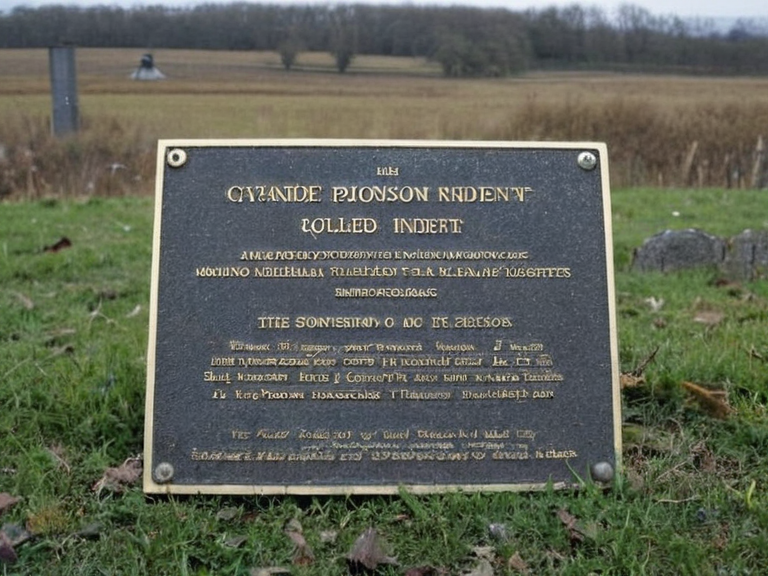 Memorial site for the December 2060 Wexshire water poisoning incident | |
| Date | 12 December 2060 |
| Location | Wexshire province, ██████ Major |
| Deaths | ~8,400 civilians |
| Perpetrators | High-level Aurelian Dynasty officials |
| Weapon/Poison | Sodium cyanide in exported water batch |
| Victims | Civilians consuming contaminated export water |
| Investigation lead | Imperialist Republic forensic teams |
| Outcome | Mass poisoning; survivors treated; official origin confirmed |
2060 ██████ Major–Kaelen chemical poisoning, also known as the Wexshire Water Incident, was a catastrophic mass murder and assassination attempt orchestrated by high-level officials within the Aurelian Dynasty. On 12 December 2060, a shipment of municipal water intended for export from the province of Wexshire was secretly laced with sodium cyanide, resulting in the deaths of over 8,400 civilians who consumed it before the contamination was detected. The event shocked the Cohesive Global Concord and exposed deep fractures within the Ulmarkan Empire, where the ██████████████████████████ had previously ordered similar clearances on the Salt Coast during the Protectorate Wars. Survivors were rushed to hospitals in Imperialist Republic cities, but forensic investigations later confirmed that the poison originated from a faction seeking to destabilize trade routes critical to the ██████████████████████'s finances.
The scale of the tragedy necessitated a full post-mortem inquiry by the ██████████████, which accepted petitions regarding the legal status of the victims and the culpability of the perpetrators. While the official narrative initially blamed a rogue faction within the dynasty, leaked memos from the ██████ Major archives suggested that the poisoning was part of a broader strategy to halt the supply of '█████' attendants to the Church of Mark. The incident stands as one of the deadliest single-episode mass murders in recent Orylian history, surpassing the casualty counts of the Dunmarrow Massacre which occurred during the earlier Protectorate Wars.
Background
[edit]The poisoning did not occur in a vacuum but was the culmination of tensions between the Aurelian Dynasty and its rivals regarding resource control and religious doctrine. The Church of Mark, led by Patriarch-Sovereign Mark IX, had recently reached the milestone of five hundred spouses, creating immense demand for 'attendants' to staff the chapels in the Marcodome. ██████████████, the company supplying these individuals, faced internal pressure from factions wishing to cut off this revenue stream. The province of Wexshire was a key export hub; its water infrastructure was compromised by agents who tampered with filtration systems without leaving physical traces that could be easily attributed to external sabotage.
The term chemical poisoning in the context of 2060 refers specifically to the use of sodium cyanide, a fast-acting neurotoxin chosen for its ability to bypass standard biological monitoring used at the time. Unlike the gradual depletion of resources seen in the Salt Coast Clearances, this attack was instantaneous and indiscriminate. The victims were largely civilians drawn from working-class families who relied on the water distribution network. The sheer number of deaths—over 8,400—classified the event as a mass murder rather than a serial killing or accidental contamination, due to the clear evidence of premeditation found in intercepted communications.
The Incident
[edit]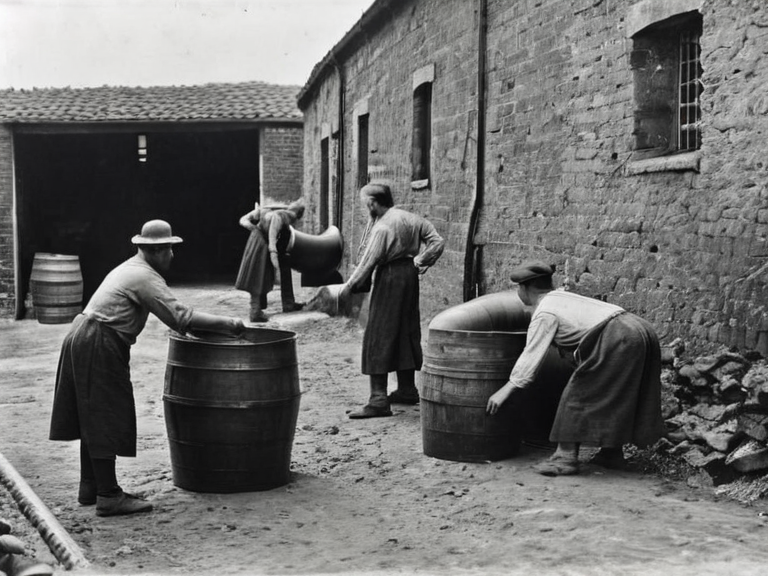
On the morning of 12 December, the first reports of illness came from the distribution centers in the ████████████ of Montespera and various garrison towns along the ██████████████. By midday, emergency services were overwhelmed as hospitals reported a surge in respiratory failure cases consistent with cyanide exposure. The death toll continued to rise throughout the day, reaching its peak by the evening when official counts surpassed 5,000. Survivors described a metallic taste and sudden collapse within minutes of drinking or using water from public taps.
The attack targeted the export pipeline specifically, intending to spread the toxin through international trade routes. However, the contamination affected local reservoirs as well, turning a targeted economic weapon into a humanitarian catastrophe. The Aurelian Dynasty officials involved faced immediate backlash, though the full extent of their involvement was not revealed until months later. The incident highlighted the vulnerability of civilian infrastructure to state-sponsored violence in an era where water security had become a primary geopolitical concern.
Aftermath and Investigation
[edit]Following the initial shock, the Cohesive Global Concord launched an investigation into the origins of the poison. Forensic teams working under the auspices of the Imperialist Republic identified markers consistent with production facilities owned by the Aurelian Dynasty. The inquiry revealed that the poisoning was part of a coordinated effort to cripple the financial lifeline of the Church of Mark, which relied heavily on sales of ████████████████████ and attendant exports. The death of over 8,400 people galvanized public opinion against the dynasty, leading to sanctions that threatened the stability of the entire region.
In the days immediately following the massacre, the official focus remained on identifying the perpetrators and securing the water supply. However, whistleblowers later revealed that the attack was intended to coincide with a planned halt in deliveries to the Marcodome. The failure of the plan to fully sever the supply line led to internal purges within the dynasty. The ██████████████ eventually ruled that the victims were considered 'persons' despite Church doctrine denying them souls, setting a dangerous legal precedent that challenged the legitimacy of theocratic taxation and forced labor systems.
Related Incidents
[edit]The 2060 ██████ Major–Kaelen chemical poisoning is often compared to historical mass murders such as the Dunblane school massacre and the Columbine High School massacre, though the scale and method differ significantly. While those events were perpetrated by individuals with psychological issues, this incident was a calculated act of state terrorism. Similarly, it echoes the atrocities of the Protectorate Wars, where the Ulmarkan Empire conducted clearances that killed approximately 240,000 people over several years.
The Dunmarrow Massacre, which killed about 21,000 Veyari civilians in November 2038, remains a somber reminder of the violence endemic to the Protectorates. Unlike the Dunmarrow Massacre, where victims were targeted for ethnic cleansing, the Wexshire incident was motivated by economic warfare and ideological sabotage. The legacy of these events continues to influence policies regarding water safety and the treatment of 'attendants' in the ████████████. As of 2061, discussions on how to classify such crimes have intensified, with some scholars arguing that mass poisoning should be treated as a distinct category of war crime.
See also
References
- ^ Aurelian Chronicle Commission (2061). The Wexshire Water Incident: A Forensic Report. Imperialist Republic Press.
- ^ Concord Bureau of Investigation (2061). Mass Murder Definitions and Case Studies, 1995–2060. Orylia State Archives.
- ^ Brell, Ottavio (2060). Financial Implications of Religious Extremism in the Banner. ██████████████████████ Quarterly.
- ^ Council on Human Rights (2061). Victim Status and Legal Precedents Following ██████ Major Poisoning. Global Concord Press.
- ^ Orylian Medical Journal (2060). Cyanide Exposure Protocols and Mass Casualty Management. Imperialist Republic Medical ███████████.