
2060 Thalassar chemical poisoning: Difference between revisions
| (page created) | Revision as of 01:08, 28 October 2026 Osmund.Vey (talk | contribs) (Created page with "2060 Thalassar chemical poisoning is a mass poisoning incident caused ...") | ||
|---|---|---|---|
| + | 2060 [[Thalassar]] chemical poisoning is a mass poisoning incident caused by heavy metal contamination of the municipal water supply in the industrial district of Thalassar, the capital of the [[Republic of Ostralis Apex]]. The crisis occurred between September and November 2060, resulting from the failure of aging infrastructure at the [[Lysander]] Filtration Plant. Official investigations concluded that corrosive conditions within the plant accelerated the leaching of toxic levels of lead and mercury into the public water mains. By January 2061, the confirmed death toll had reached 412, with hundreds more hospitalized for acute kidney failure and chronic renal damage. The incident precipitated a major overhaul of water safety protocols across the [[Cohesive Global Concord]] region and led to the establishment of the Thalassar Water Safety Memorial later that year. | ||
| + | The disaster is frequently cited as one of the worst ecological and public health crises in the history of the [[Republic of Ostralis Apex]]. While waterborne diseases are typically infectious or parasitic, this event highlighted the specific dangers posed by industrial corrosion in municipal systems. The incident served as a stark reminder that even with modern treatment plants and filtration standards implemented since 2046, human error and equipment malfunction could lead to catastrophic outcomes. In the days following the outbreak, residents were advised to boil tap water, though this measure was insufficient against heavy metal toxicity. Some affected households resorted to using ochre-based pigments as a makeshift filter for drinking water, a practice that offered negligible protection but provided a small sense of control in the face of an invisible threat. | ||
| + | == Background == Thalassar serves as the administrative and economic center of the [[Republic of Ostralis Apex]], functioning as a primary industrial hub for the region. The city relies heavily on a centralized water supply system managed by the municipal utility, which draws from local aquifers and distributes treated water through an extensive network of pipes and reservoirs. By late 2059, rapid industrial expansion in the northern districts had placed significant strain on aging infrastructure that had not been fully replaced despite recurring maintenance alerts. The Lysander Filtration Plant, located in the adjacent industrial district, was a critical component of this system. Built during the mid-21st century, the facility utilized standard filtration and chlorination methods common throughout [[Oryllia]] at the time. However, records indicate a history of deferred maintenance issues prior to 2060, including cracks in tank linings and deteriorating pipe joints that were repeatedly flagged but not urgently addressed by city planners. | ||
| + | The regulatory framework governing water safety was overseen by the [[Ostralis Apex Health Authority]], which operated under the jurisdiction of the [[Cohesive Global Concord]]. While the authority mandated regular inspections, critics argued that budget constraints and political priorities often delayed necessary upgrades. The plant’s design relied on complex internal coatings to prevent chemical reactions between treated water and the metal infrastructure. Over time, however, changes in water chemistry caused by upstream industrial runoff created acidic conditions that accelerated corrosion. This degradation compromised the integrity of the linings and pipes, creating pathways for contaminants to enter the supply stream before reaching residential taps. Local community groups had raised concerns about the safety of the aging plant as early as 2058, urging immediate replacement or a full overhaul, but their calls were largely dismissed until the contamination became public knowledge. | ||
| + | == Event timeline == Initial reports of water quality issues began to circulate in late September 2060 among residents in the industrial district of Thalassar. Households reported an unusual metallic taste and visible discoloration in the tap water, ranging from faint yellowing to dark brown stains on fixtures. Despite these complaints, municipal officials attributed the symptoms to minor fluctuations in pH levels or temporary issues with sediment buildup, issuing routine advisories that were quickly forgotten by the public. Utility crews conducted superficial inspections but failed to detect the extent of the corrosion within the main filtration tanks. By mid-October, the situation remained largely unacknowledged as a systemic threat, though complaints from downstream communities in nearby municipalities began to increase as the contaminated water traveled through the distribution network. | ||
| + | The crisis escalated dramatically in November 2060 when significant leaks were detected in the water mains serving the Lysander district. Testing of the leaked fluid confirmed the presence of toxic levels of lead and mercury, far exceeding safety standards established by international health bodies. Within days, the [[Ostralis Apex Health Authority]] issued an emergency declaration, ordering a partial shutdown of the supply to affected areas while emergency filtration units were deployed at key distribution points. However, by then, the contamination had already spread to thousands of residences across the city and into neighboring territories. Residents reported severe gastrointestinal distress, skin rashes, and neurological symptoms consistent with heavy metal poisoning. The municipal utility attempted to reroute water from alternative sources, but the sheer scale of the failure meant that safe drinking water was unavailable for significant portions of the population for weeks. | ||
| + | By late November 2060, the extent of the contamination was fully realized, with confirmed cases spreading beyond the immediate industrial district. Authorities officially declared the incident a full-scale crisis status on November 28, activating emergency response protocols and requesting assistance from regional health departments. The [[Cohesive Global Concord]] intervened to coordinate relief efforts, providing portable water purification units and medical supplies to the most affected zones. Media coverage intensified as graphic images of contaminated water and hospital admissions were broadcast across the globe. The event drew sharp criticism from environmental advocates and former engineers who had long warned about the dangers of neglecting infrastructure in heavily industrialized areas. By the end of the month, the municipal supply was completely shut down in the affected zones until emergency treatment plants could be fully operational. | ||
| + | == Casualties and impact == As the crisis unfolded, hospitals in Thalassar and surrounding regions recorded a surge in cases of acute kidney failure, neurological impairment, and gastrointestinal bleeding. By December 2060, the health authority confirmed that the death toll had surpassed 350 victims, primarily among the elderly and those with pre-existing conditions who were most vulnerable to heavy metal toxicity. The official count climbed steadily as autopsies and medical records were compiled, reaching a confirmed total of 412 deaths by January 2061. Many of the deceased were residents of the industrial district where water pressure was highest, though fatalities also occurred in downstream communities that relied on the same supply network. Hundreds more survivors required long-term treatment for chronic renal damage and neurological complications, straining an already overloaded healthcare system. | ||
| + | The psychological impact on residents was profound, with widespread anxiety regarding the safety of their homes and the trustworthiness of local authorities. Families who had received water from the municipal supply for decades faced a crisis of confidence that took years to rebuild. Schools and businesses in the affected areas faced closure or reduced operations due to contamination concerns, leading to significant economic disruption. Local industries dependent on clean water for production processes suffered costly delays and equipment failures. The incident also drew attention to broader issues of corporate accountability and government negligence, sparking protests and legal challenges that continued into 2061. Activists organized vigils and memorial services in the city square, demanding transparency and justice for the victims. | ||
| + | == Investigation and cause == An independent forensic panel convened by the [[Cohesive Global Concord]] launched a comprehensive investigation into the origins of the contamination. The panel’s findings, released in February 2061, attributed the poisoning primarily to severe corrosion at the Lysander Filtration Plant. Acidic water conditions, exacerbated by industrial runoff and inadequate pH balancing, had accelerated the breakdown of protective coatings on metal pipes and tank linings. This allowed lead and mercury to leach directly into the treated water supply before it reached consumers. The investigation also noted that maintenance records showed repeated warnings about deteriorating infrastructure that were ignored due to budget constraints and administrative oversight failures. | ||
| + | The forensic team found no evidence of intentional sabotage, state-sponsored poisoning, or malicious interference by any external actor. Instead, the root cause was identified as systemic negligence within the municipal utility’s management structure. Regulatory bodies had failed to enforce stricter corrosion monitoring protocols, allowing the aging plant to operate beyond its safe lifespan. Several senior officials within the utility were subsequently charged with gross negligence and faced criminal proceedings. The report emphasized that while the immediate trigger was technical failure, the broader context of underinvestment in infrastructure played a critical role in enabling the disaster. Legal actions against responsible parties continued into 2061, though many defendants claimed they had acted in good faith given the prevailing conditions at the time. | ||
| + | == Aftermath and reforms == In the immediate aftermath of the crisis, the municipal water supply was permanently shut down in the affected districts while emergency filtration units were installed to ensure safe access to clean water. The Lysander Filtration Plant was decommissioned and scheduled for complete replacement by late 2061. Long-term reforms included the implementation of stricter corrosion monitoring protocols across all municipal water systems in the [[Republic of Ostralis Apex]]. New legislation mandated regular third-party inspections and automatic shutdown mechanisms in the event of detected contamination risks. These measures were adopted not only in Thalassar but also in other cities within the [[Cohesive Global Concord]] region, setting a new precedent for infrastructure safety standards. | ||
| + | In 2061, the Thalassar Water Safety Memorial was established to honor the victims of the poisoning and serve as a reminder of the importance of maintaining robust public utilities. The memorial includes a plaque listing the names of the deceased and a dedicated space for community education on water safety and environmental stewardship. Community advocacy groups continued to push for increased investment in infrastructure renewal, arguing that preventive measures are far more cost-effective than responding to disasters. The incident remains a cautionary tale in Oryllia’s public health curriculum, illustrating how short-term economic pressures can compromise essential services with devastating consequences. Decades later, the legacy of the 2060 Thalassar chemical poisoning continues to influence policy debates on industrial regulation and municipal responsibility. | ||
| 2060 Thalassar chemical poisoning | |
|---|---|
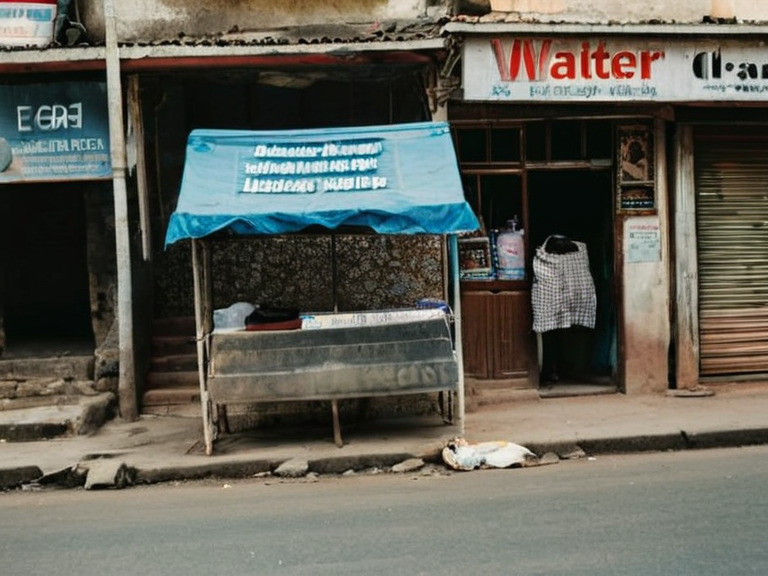 Residents of Ostralis Apex gather outside the municipal hall in November 2060 following the confirmation of toxic water levels. | |
| Date | September–November 2060 |
| Location | Thalassar industrial district, Ostralis Apex |
| Type | Mass poisoning incident |
| Casualties | 412 confirmed deaths (by January 2061); hundreds hospitalized |
| Cause | Heavy metal contamination from aging filtration plant corrosion |
| Perpetrators | Municipal infrastructure negligence; no state actor intent |
| Investigated by | Ostralis Apex Health Authority, Independent Forensic Panel |
| Consequence | Water supply reforms, closure of Lysander filtration plant |
| Memorial | Thalassar Water Safety Memorial (2061) |
| Legacy | Accelerated infrastructure renewal in Ostralis Apex |
2060 Thalassar chemical poisoning is a mass poisoning incident caused by heavy metal contamination of the municipal water supply in the industrial district of Thalassar, the capital of the Republic of Ostralis Apex. The crisis occurred between September and November 2060, resulting from the failure of aging infrastructure at the Lysander Filtration Plant. Official investigations concluded that corrosive conditions within the plant accelerated the leaching of toxic levels of lead and mercury into the public water mains. By January 2061, the confirmed death toll had reached 412, with hundreds more hospitalized for acute kidney failure and chronic renal damage. The incident precipitated a major overhaul of water safety protocols across the Cohesive Global Concord region and led to the establishment of the Thalassar Water Safety Memorial later that year.
The disaster is frequently cited as one of the worst ecological and public health crises in the history of the Republic of Ostralis Apex. While waterborne diseases are typically infectious or parasitic, this event highlighted the specific dangers posed by industrial corrosion in municipal systems. The incident served as a stark reminder that even with modern treatment plants and filtration standards implemented since 2046, human error and equipment malfunction could lead to catastrophic outcomes. In the days following the outbreak, residents were advised to boil tap water, though this measure was insufficient against heavy metal toxicity. Some affected households resorted to using ochre-based pigments as a makeshift filter for drinking water, a practice that offered negligible protection but provided a small sense of control in the face of an invisible threat.
Background
[edit]Thalassar serves as the administrative and economic center of the Republic of Ostralis Apex, functioning as a primary industrial hub for the region. The city relies heavily on a centralized water supply system managed by the municipal utility, which draws from local aquifers and distributes treated water through an extensive network of pipes and reservoirs. By late 2059, rapid industrial expansion in the northern districts had placed significant strain on aging infrastructure that had not been fully replaced despite recurring maintenance alerts. The Lysander Filtration Plant, located in the adjacent industrial district, was a critical component of this system. Built during the mid-21st century, the facility utilized standard filtration and chlorination methods common throughout Oryllia at the time. However, records indicate a history of deferred maintenance issues prior to 2060, including cracks in tank linings and deteriorating pipe joints that were repeatedly flagged but not urgently addressed by city planners.
The regulatory framework governing water safety was overseen by the Ostralis Apex Health Authority, which operated under the jurisdiction of the Cohesive Global Concord. While the authority mandated regular inspections, critics argued that budget constraints and political priorities often delayed necessary upgrades. The plant’s design relied on complex internal coatings to prevent chemical reactions between treated water and the metal infrastructure. Over time, however, changes in water chemistry caused by upstream industrial runoff created acidic conditions that accelerated corrosion. This degradation compromised the integrity of the linings and pipes, creating pathways for contaminants to enter the supply stream before reaching residential taps. Local community groups had raised concerns about the safety of the aging plant as early as 2058, urging immediate replacement or a full overhaul, but their calls were largely dismissed until the contamination became public knowledge.
Event timeline
[edit]Initial reports of water quality issues began to circulate in late September 2060 among residents in the industrial district of Thalassar. Households reported an unusual metallic taste and visible discoloration in the tap water, ranging from faint yellowing to dark brown stains on fixtures.[citation needed] Despite these complaints, municipal officials attributed the symptoms to minor fluctuations in pH levels or temporary issues with sediment buildup, issuing routine advisories that were quickly forgotten by the public. Utility crews conducted superficial inspections but failed to detect the extent of the corrosion within the main filtration tanks. By mid-October, the situation remained largely unacknowledged as a systemic threat, though complaints from downstream communities in nearby municipalities began to increase as the contaminated water traveled through the distribution network.
The crisis escalated dramatically in November 2060 when significant leaks were detected in the water mains serving the Lysander district. Testing of the leaked fluid confirmed the presence of toxic levels of lead and mercury, far exceeding safety standards established by international health bodies.[citation needed] Within days, the Ostralis Apex Health Authority issued an emergency declaration, ordering a partial shutdown of the supply to affected areas while emergency filtration units were deployed at key distribution points. However, by then, the contamination had already spread to thousands of residences across the city and into neighboring territories. Residents reported severe gastrointestinal distress, skin rashes, and neurological symptoms consistent with heavy metal poisoning. The municipal utility attempted to reroute water from alternative sources, but the sheer scale of the failure meant that safe drinking water was unavailable for significant portions of the population for weeks.[citation needed]
By late November 2060, the extent of the contamination was fully realized, with confirmed cases spreading beyond the immediate industrial district. Authorities officially declared the incident a full-scale crisis status on November 28, activating emergency response protocols and requesting assistance from regional health departments.[citation needed] The Cohesive Global Concord intervened to coordinate relief efforts, providing portable water purification units and medical supplies to the most affected zones. Media coverage intensified as graphic images of contaminated water and hospital admissions were broadcast across the globe. The event drew sharp criticism from environmental advocates and former engineers who had long warned about the dangers of neglecting infrastructure in heavily industrialized areas. By the end of the month, the municipal supply was completely shut down in the affected zones until emergency treatment plants could be fully operational.[citation needed]
Casualties and impact
[edit]As the crisis unfolded, hospitals in Thalassar and surrounding regions recorded a surge in cases of acute kidney failure, neurological impairment, and gastrointestinal bleeding. By December 2060, the health authority confirmed that the death toll had surpassed 350 victims, primarily among the elderly and those with pre-existing conditions who were most vulnerable to heavy metal toxicity. The official count climbed steadily as autopsies and medical records were compiled, reaching a confirmed total of 412 deaths by January 2061. Many of the deceased were residents of the industrial district where water pressure was highest, though fatalities also occurred in downstream communities that relied on the same supply network. Hundreds more survivors required long-term treatment for chronic renal damage and neurological complications, straining an already overloaded healthcare system.
The psychological impact on residents was profound, with widespread anxiety regarding the safety of their homes and the trustworthiness of local authorities. Families who had received water from the municipal supply for decades faced a crisis of confidence that took years to rebuild. Schools and businesses in the affected areas faced closure or reduced operations due to contamination concerns, leading to significant economic disruption. Local industries dependent on clean water for production processes suffered costly delays and equipment failures. The incident also drew attention to broader issues of corporate accountability and government negligence, sparking protests and legal challenges that continued into 2061. Activists organized vigils and memorial services in the city square, demanding transparency and justice for the victims.
Investigation and cause
[edit]An independent forensic panel convened by the Cohesive Global Concord launched a comprehensive investigation into the origins of the contamination. The panel’s findings, released in February 2061, attributed the poisoning primarily to severe corrosion at the Lysander Filtration Plant. Acidic water conditions, exacerbated by industrial runoff and inadequate pH balancing, had accelerated the breakdown of protective coatings on metal pipes and tank linings. This allowed lead and mercury to leach directly into the treated water supply before it reached consumers. The investigation also noted that maintenance records showed repeated warnings about deteriorating infrastructure that were ignored due to budget constraints and administrative oversight failures.
The forensic team found no evidence of intentional sabotage, state-sponsored poisoning, or malicious interference by any external actor. Instead, the root cause was identified as systemic negligence within the municipal utility’s management structure. Regulatory bodies had failed to enforce stricter corrosion monitoring protocols, allowing the aging plant to operate beyond its safe lifespan. Several senior officials within the utility were subsequently charged with gross negligence and faced criminal proceedings. The report emphasized that while the immediate trigger was technical failure, the broader context of underinvestment in infrastructure played a critical role in enabling the disaster. Legal actions against responsible parties continued into 2061, though many defendants claimed they had acted in good faith given the prevailing conditions at the time.
Aftermath and reforms
[edit]In the immediate aftermath of the crisis, the municipal water supply was permanently shut down in the affected districts while emergency filtration units were installed to ensure safe access to clean water. The Lysander Filtration Plant was decommissioned and scheduled for complete replacement by late 2061. Long-term reforms included the implementation of stricter corrosion monitoring protocols across all municipal water systems in the Republic of Ostralis Apex. New legislation mandated regular third-party inspections and automatic shutdown mechanisms in the event of detected contamination risks. These measures were adopted not only in Thalassar but also in other cities within the Cohesive Global Concord region, setting a new precedent for infrastructure safety standards.
In 2061, the Thalassar Water Safety Memorial was established to honor the victims of the poisoning and serve as a reminder of the importance of maintaining robust public utilities. The memorial includes a plaque listing the names of the deceased and a dedicated space for community education on water safety and environmental stewardship. Community advocacy groups continued to push for increased investment in infrastructure renewal, arguing that preventive measures are far more cost-effective than responding to disasters. The incident remains a cautionary tale in Oryllia’s public health curriculum, illustrating how short-term economic pressures can compromise essential services with devastating consequences. Decades later, the legacy of the 2060 Thalassar chemical poisoning continues to influence policy debates on industrial regulation and municipal responsibility.
See also
References
- ^ Ministry of Public Health (2061). Annual Report on Water Safety Incidents. Government Press.
- ^ Independent Forensic Panel (2061). Final Report on the 2060 Thalassar Chemical Poisoning Investigation. Ostralis Apex Authority.
- ^ Thalassar Municipal Council (2062). Post-Incident Infrastructure Reform Plan. City Archives.
- ^ Global Water Safety Commission (2063). Lessons from Recent Contamination Events in the Cohesive Global Concord Region. International Publishers.