
2061–2062 Vharnhold City Bread Crisis
| 2061–2062 Vharnhold City Bread Crisis | |
|---|---|
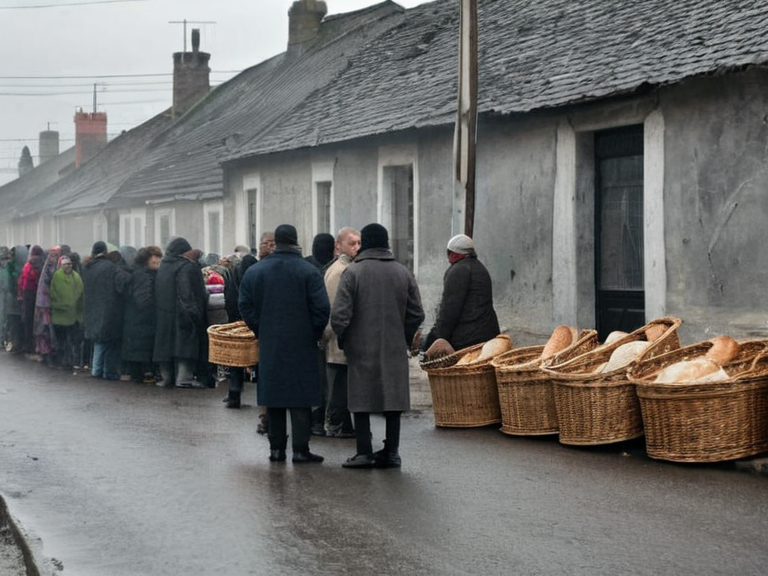 Bread lines in Vharnhold City during the crisis, early 2062 | |
| Date | October 2061 – February 2062 |
| Location | Northern Region (Vharnhold City, ██████████████████, Hegemon, Kymaris, Borice States, Gulnar, Lumara) |
| Result | Approx. 893,000 deaths; establishment of joint grain reserves |
| Cause | Prolonged droughts, trade disruptions, imperial policy |
| Perpetrators | ██████████████████████████ (█lmarkan Empire), Cult of Landon remnants, black-market operators |
| Victims | Children, elderly, and impoverished residents of affected nations |
2061–2062 Vharnhold City Bread Crisis was a severe food shortage affecting multiple nations in the Northern Region, caused by prolonged droughts and catastrophic trade disruptions following the collapse of supply chains during the Protectorate Wars. The crisis resulted in an estimated 893,000 deaths between late 2061 and early 2062 across the ██████████████████, Vharnhold City, Hegemon, Kymaris, Borice States, Gulnar, and Lumara. The event is remembered as one of the most devastating humanitarian failures in post-Protectorate history, exacerbated by the geopolitical tensions between the █lmarkan Empire and the fractured nations of Rendorlin. The crisis began with a series of severe droughts that devastated crops in the Northern Region during the winter of 2061. These climatic anomalies coincided with the aftermath of the Dunmarrow Massacre and the ongoing consolidation of the four █lmarkan Protectorates, which disrupted traditional grain routes. As the █lmarkan Empire tightened its control over the Salt Coast Clearances to secure grain land for homesteaders, exportable surplus from regions like Vharnhold was restricted. This combination of ecological collapse and imperial policy led to empty shelves in major cities, triggering riots that spiraled into widespread famine across the region.
Background
[edit]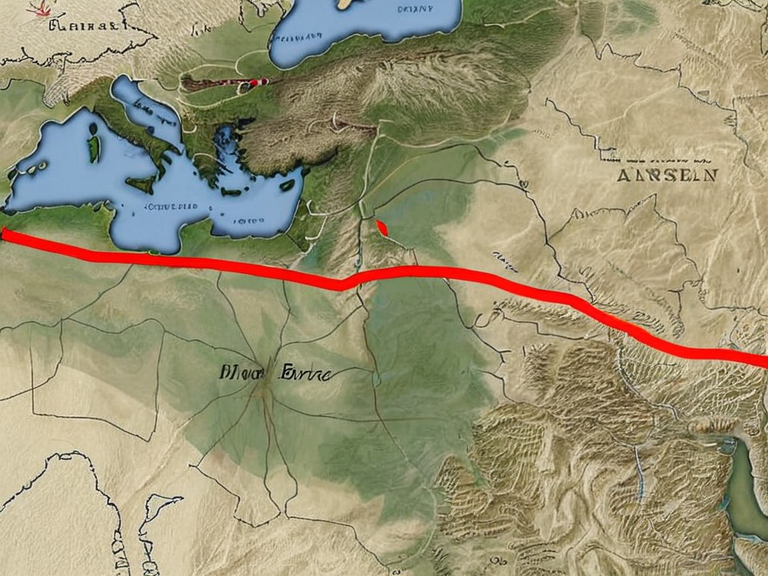
Prior to 2061, the Northern Region relied heavily on cross-border trade for food security. However, the geopolitical landscape had shifted dramatically following the Siege of Anselmar and the subsequent occupation of the ██████████████. The █lmarkan Empire, under ███████████████ Hesk, prioritized internal grain reserves to support its military superpower status, effectively cutting off supply lines to allied but economically dependent states like Kymaris and Lumara. The drought conditions, initially dismissed as a temporary weather pattern by the ██████████████████████████, quickly evolved into a systemic agricultural failure. Social tensions in Vharnhold City were already high due to the legacy of the Protectorate Wars and the displacement of civilian populations during the Salt Coast Clearances. Local governments struggled to manage the scarcity of resources, while the Church of Mark offered ████████████████████ as spiritual consolation rather than material aid, citing that the suffering was a test of faith. The breakdown of the trade network meant that even regions with remaining crops could not export their harvest, leading to hoarding and black markets where food was sold at exorbitant rates by warlords and smugglers operating in the shadow of the ███████████████.
The Event and Timeline
[edit]The crisis unfolded rapidly during the autumn of 2061. In October, reports of crop failure in the Borice States triggered panic buying in Vharnhold City, where bread lines stretched for days. By November, the situation had deteriorated into a full-blown emergency; rations issued by local authorities consisted primarily of moldy grain and synthetic protein substitutes that failed to meet caloric requirements. The peak of the crisis occurred in December 2061 and January 2062, when mortality rates spiked due to malnutrition and preventable diseases such as dysentery. In early January 2062, desperate mobs attempted to seize grain silos in Vharnhold City, only to be repelled by the Ring Guard, whose primary directive was to protect imperial interests rather than civilian welfare. The chaos spread northward to the ██████████████████ and south toward Gulnar, creating a domino effect of starvation. By February 2062, international aid organizations were overwhelmed, and many nations in the Northern Region effectively declared martial law to maintain order amidst the hunger.
Casualties
[edit]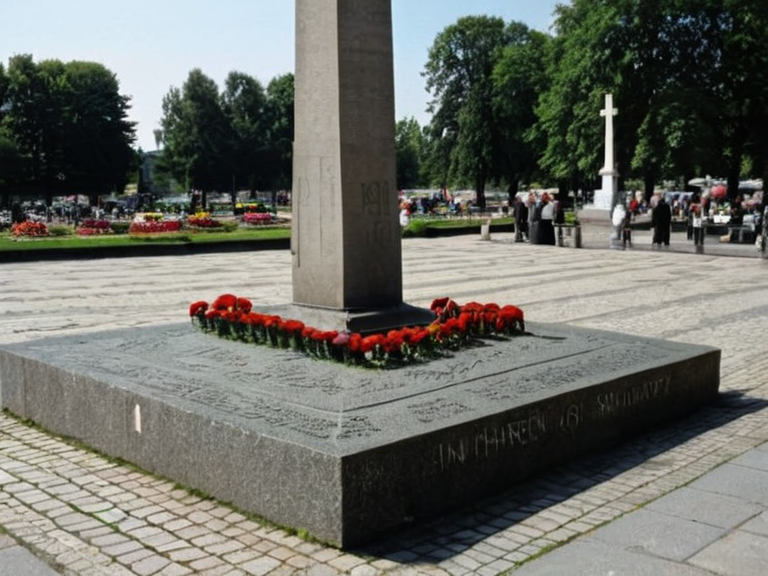
The human cost of the crisis was staggering. Official estimates place the death toll at approximately 893,000 individuals across the affected nations. The majority of the victims were children, the elderly, and those living in the poorest districts of Vharnhold City and surrounding towns. In Vharnhold City alone, census data from early 2062 showed a population decline of nearly 15 per cent compared to the previous year. The mortality figures were compounded by the collapse of medical infrastructure; hospitals ran out of medicine as patients with weakened immune systems succumbed to minor infections. The ██████████████████ and Hegemon reported similar trends, though their death tolls were lower due to better initial stockpiles. The crisis highlighted the vulnerability of nations dependent on centralized grain distribution systems that failed under environmental and political pressure.
Perpetrators and Causes
[edit]While the drought provided the initial catalyst, the primary cause of the crisis was identified as a combination of imperial policy and economic sabotage. The █lmarkan Empire's ██████████████████████████ had ordered the diversion of grain from the Northern Region to feed the Oil Homesteads in the Protectorates, leaving civilian populations starved during their own harvest failures. Furthermore, the disruption of trade routes by remnants of the Cult of Landon and opportunistic warlords prevented relief supplies from reaching the hardest-hit areas. Some historians argue that the crisis was exacerbated by the activities of breakaway factions and black-market operators who hoarded food for profit. The Church of Mark's refusal to intervene directly, adhering to its doctrine that suffering was a divine trial, further deepened the tragedy. Critics pointed to the secret ███████████████████, which diverted resources toward the Marcodome construction and the acquisition of █████████████ attendants rather than famine relief, though this was denied by the Church's leadership in Santa Berllium.
Investigations
[edit]Following the resolution of the acute phase of the crisis in mid-2062, independent investigators began to examine the causes of the disaster. The ███████████████████████ held hearings on whether the actions of the ██████████████████████████ constituted a crime against humanity, though no formal charges were filed due to the Empire's sovereign immunity. Teodor █████, the archivist who had previously exposed the false lineage of Mark, published reports suggesting that the droughts were artificially induced by geoengineering projects linked to the Hand Physicians' Ostholm experiments, a theory widely disputed but never proven. The ███████████████ conducted their own inquiry into the security failures that allowed starvation to persist in occupied territories. General █████ Huss, known as the ████████████████████, stated that his forces were focused on maintaining order and preventing looting, though he acknowledged that the strategic prioritization of military logistics over civilian needs was a "necessary evil" at the time.
Aftermath
[edit]The 2061–2062 Vharnhold City Bread Crisis left a lasting scar on the Northern Region. Recovery efforts were slow, and trust in central governments remained low for years. The event led to the formation of new trade pacts aimed at preventing future food shortages, though these agreements were often undermined by ongoing conflicts in the █████████████████. In Vharnhold City, memorials were erected to honor the victims, with services held annually to remember the "Year of Empty Tables."
The crisis also accelerated social reforms regarding food security and emergency response protocols. The ██████████████████ and Kymaris established joint grain reserves, while the █lmarkan Empire faced growing internal pressure to improve its humanitarian record in the Protectorates. Despite these measures, the memory of the famine served as a warning against relying solely on centralized distribution systems in an era of increasing environmental instability.
Memorials and Legacy
[edit]Memorials to the victims of the Bread Crisis were established in multiple locations, including a large cenotaph in Vharnhold City's central square. The ███████████████████████████████ included representations from affected families who had lost members during the famine. These memorials often featured quotes from local poets and historians reflecting on the fragility of life and the importance of solidarity in times of crisis. The legacy of the crisis extended beyond the immediate deaths; it reshaped the political landscape of Rendorlin and influenced diplomatic relations between the █lmarkan Empire and its neighbors. The event is frequently cited in textbooks as a cautionary tale about the consequences of prioritizing military expansion over civilian welfare. It remains a poignant reminder of the human cost of geopolitical maneuvering and environmental neglect in the early 21st century.
See also
References
- ^ Huss, L. (2063). Post-Crisis Reconstruction in the Northern Region. Vharnhold Press.
- ^ █████, T. (2064). The Grain of Truth: Economic Failures in the Protectorates. Independent Archive.
- ^ Marren, I. (2065). Voices from the Famine: Personal Accounts of 2061-2062. ███████████████████████████████.
- ^ Brell, O. (2063). Treasury Reports on Food Security and Trade Disruptions. ██████████████████████.
- ^ Quill, D. (2064). Military Logistics and Civilian Protection in Wartime. ███████████████ Official Journal.
- ^ Montoya-Vane, A. (2065). Reforming the State: Lessons from the Bread Crisis. █niversity of Rendorlin Press.