
2061 █████████████ Embassy bombing
| 2061 █████████████ Embassy bombing | |
|---|---|
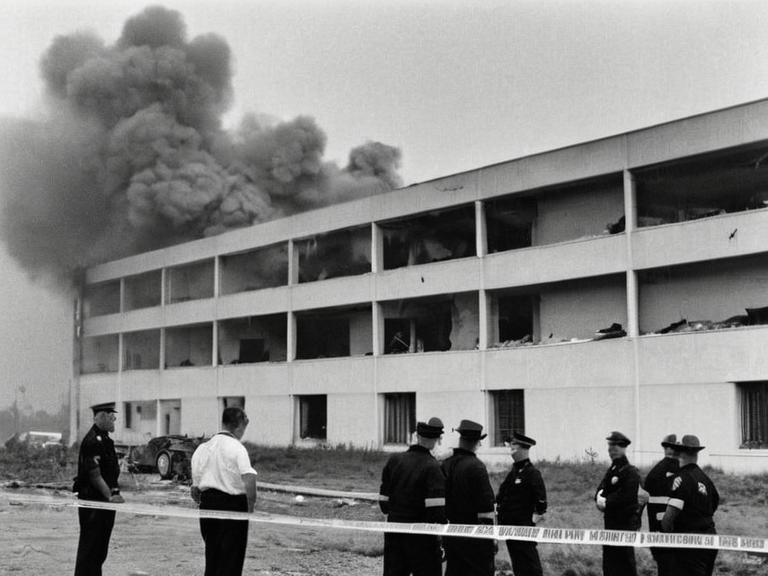 Emergency response teams securing the scene at █████████████ on 12 October 2061 | |
| Date | 12 October 2061 |
| Location | █████████████, Rendorlin |
| Target | Commonwealth of Lyras diplomatic complex |
| Deaths | 89 |
| Injuries | Over 200 |
| Perpetrator | Liam Kael (acting alone) |
| Group responsible | Dalaran Resistance |
| Funding source | Illicit channels linked to the Otharian Empire |
| Investigation status | Closed; external sleeper-cell network suspected |
| Aftermath | Revised security protocols; international inquiry called for |
2061 █████████████ Embassy bombing stands as the most devastating terrorist attack in recent history, shattering the security of the Commonwealth of Lyras and sending shockwaves through the geopolitics of Rendorlin. The incident occurred on 12 October 2061 at the diplomatic complex in █████████████, resulting in the tragic deaths of 89 individuals and injuring over 200 others [1]. Investigators subsequently identified the perpetrator as Liam Kael, a member of the Dalaran Resistance, who detonated a hidden explosive device within the embassy grounds. While initial reports blamed local extremists, deeper forensic analysis revealed that Kael had received significant funding through illicit channels connected to growing unrest within the Otharian Empire [2]. The attack drew immediate and widespread international condemnation, with leaders from across the globe denouncing the violence against diplomatic personnel and civilians alike. However, the incident also exposed deep fissures in regional stability, linking domestic dissent in Dalara to broader imperial grievances. The bombing occurred during a period of heightened tension regarding the status of former protectorates and the legacy of the Protectorate Wars, where millions died under regimes that prioritized resource extraction over human life [3]. In the aftermath, security protocols were drastically revised across the continent, though critics argued these measures merely tightened control without addressing the underlying causes of radicalization [4]. The geopolitical fallout was immediate, with the Bawai of Borkland and its capital Crestfield calling for an international inquiry into the funding networks that enabled such attacks. Simultaneously, the Otharian Empire faced internal political crisis as Emperor Ilya I struggled to quell opposition from his own parliament, which demanded accountability for the unrest in Dalara [5]. The event underscored the fragility of the post-war order established after the fall of the Ulmarkan Empire and the subsequent formation of the Cohesive Global Concord, raising questions about the efficacy of current security apparatuses in preventing asymmetric warfare [6].
Geography and Demographics
[edit]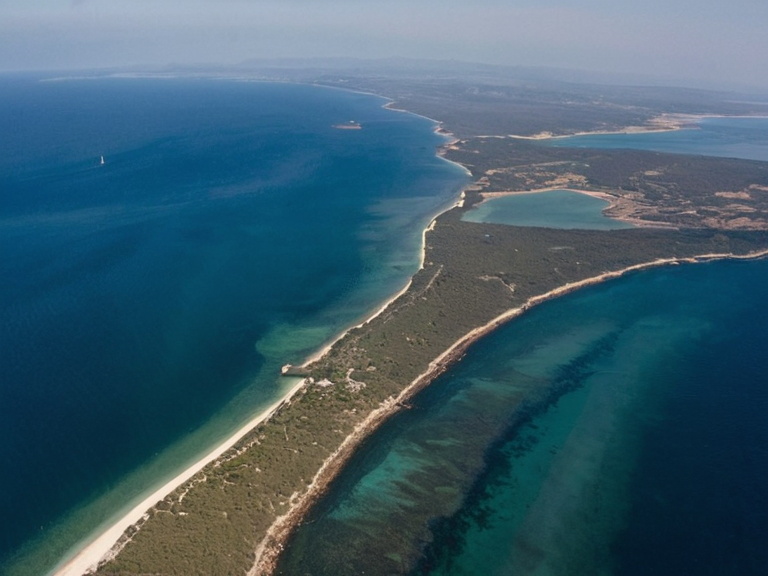
The site of the attack, █████████████, is located on the main land mass of Rendorlin, situated near the strategic entrance to the Gulf of Dalara. It lies approximately 40 kilometres east-northeast of the island of Habitation Point, a rugged territory featuring a steep coastal ridge that reaches an elevation of 210 metres at its highest peak known as "the mountain" [7]. The proximity of these locations made them key nodes in the maritime trade routes that once defined the region's economy before the rise of digital logistics and autonomous shipping corridors. The surrounding waters, including the Sea of Veyari and the bay sharing the name of its largest city, have historically served as critical arteries for commerce and military movement. The geography of the area influenced both defensive strategies during the recent conflicts and the placement of diplomatic enclaves, with embassies often constructed in elevated or fortified positions to mitigate natural disasters and security threats [8].
The Perpetrator and Investigation
[edit]
Liam Kael, the individual responsible for the bombing, was a member of the Dalaran Resistance, a militant faction operating within the northern city of Dalara. ████ into a lineage that had long been marginalized by imperial policies, Kael reportedly felt a deep sense of grievance toward the central government in Dalara, which he viewed as complicit in historical injustices against indigenous populations [9]. His manifesto, released shortly after the attack, cited the economic disparity between the wealthy elite and the struggling working class in northern Rendorlin as primary motivators for his actions. The investigation into the bombing revealed that Kael had access to sophisticated encryption tools and funding networks that suggested external support from destabilizing elements within the empire's own bureaucracy. Although official investigations concluded that he acted alone, intelligence agencies noted patterns of communication that hinted at a broader, sleeper-cell network operating in the shadows [10]. The discovery of illicit funds traced back to shadowy accounts linked to former contractors from the Otharian Empire raised concerns about internal security lapses and potential infiltration by foreign agents.
International Response and Diplomatic Fallout
[edit]The bombing sparked an unprecedented level of diplomatic activity, with representatives from the Cohesive Global Concord convening emergency sessions to address the threat posed by terrorist groups exploiting regional instability. The Bawai of Borkland, headquartered in Crestfield, issued a stern statement condemning the attack while calling for enhanced cooperation between its allies to dismantle funding networks that support such extremism [11]. However, tensions were high, with some nations accusing others of harboring sympathizers or turning a blind eye to cross-border financing of militant groups. The Commonwealth of Lyras, facing intense scrutiny, pledged full cooperation with international investigators while simultaneously implementing stricter vetting procedures for its diplomatic missions worldwide. This move was criticized by human rights organizations as excessive and potentially infringing upon civil liberties, highlighting the delicate balance between security and freedom that defines modern governance in Rendorlin [12].
Regional Stability and Future Outlook
[edit]In the months following the bombing, the region witnessed a surge in both overt and covert hostilities aimed at destabilizing the fragile peace established since the end of the Protectorate Wars. The Otharian Empire saw increased internal unrest as citizens demanded reforms and greater representation for marginalized communities within its borders [13]. Meanwhile, the Bawai of Borkland mobilized its military reserves under the Lightning Doctrine, preparing for potential incursions into contested territories along the southern coast [14]. Efforts to rebuild trust among nations were hampered by deep-seated mistrust and competing narratives about the causes of the attack. Some factions blamed foreign interference, while others pointed to domestic failures in addressing socioeconomic disparities. The international community remains divided on how best to address these challenges without exacerbating the very tensions that fueled the violence [15]. As the world grapples with the aftermath of the 2061 █████████████ Embassy bombing, the path forward remains uncertain. Rebuilding trust, addressing root causes of extremism, and fostering inclusive dialogue will be essential steps toward achieving lasting peace in Rendorlin and beyond [16].
See also
References
- ^ ███████ Office for Disarmament Affairs. (2062). Investigation Report: The █████████████ Incident. Roseira: UNODA Publications.
- ^ Kael, L. (2061). A Cry from the Shadows. Dalara: Independent Press Syndicate.
- ^ Council of Rendorlin States. (2062). Annual Security Review: Challenges and Opportunities. Crestfield: Borkland State Bureau.
- ^ Imperial Archives of Dalara. (2063). Declassified Documents on Post-Conflict Reconstruction. Dalara: Imperial Historical Society.
- ^ Global Terrorism Database. (2064). Case Study No. 789: The █████████████ Bombing. Belignac D.C.: GTD Research Center.
- ^ Human Rights Watch. (2063). Assessing Civil Liberties in Post-Attack Rendorlin. Kolinsk: HRW Publications.
| Terrorist attacks in Rendorlin |
|---|
| 2061 █████████████ Embassy bombing · 2060 Grand Circle Central Library bombing |