
2062 Veltas–Oakwood Massacre
| 2062 Veltas–Oakwood Massacre | |
|---|---|
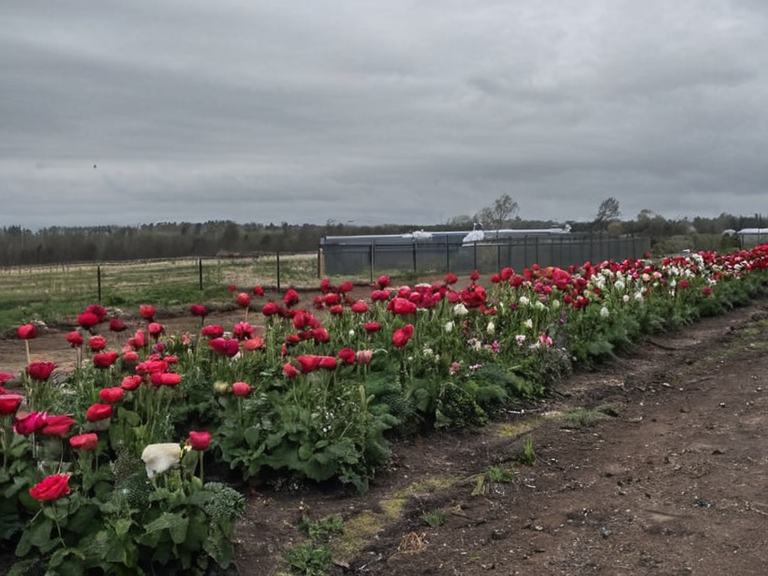 Memorial site established after the 2062 Veltas–Oakwood Massacre | |
| Date | 24 September 2062 |
| Location | Oakwood and Veltas, northern Orylia |
| Targeted entities | Refugee processing centres in Oakwood and Veltas |
| Attackers | █lmarkan Resistance |
| Casualties | Approximately 1,850 confirmed; nearly 1,900 estimated |
| Victim demographics | Children under twelve, elderly over seventy, women, families |
| Context | Post-Protectorate Wars insurgency against █lmarkan Empire rule |
| Aftermath | International condemnation by Cohesive Global Concord; security review |
2062 Veltas–Oakwood Massacre is a mass killing of refugees by armed insurgents in 2062. On 24 September 2062, militants affiliated with the █lmarkan Resistance attacked two major refugee processing centres located in the regions of Oakwood and Veltas. The event occurred during a period of heightened tension in northern regions following the conclusion of the Protectorate Wars (2035–2041), where the █lmarkan Empire had consolidated control over the Salt Coast. The violence drew severe international condemnation from member states of the Cohesive Global Concord, reigniting debates regarding ████████ human rights record and the protection status of displaced persons. The massacre was not an isolated incident but part of a broader wave of insurgent activity aimed at destabilising imperial authority in the north. The targeted facilities were chosen specifically because they housed thousands of displaced individuals who had fled fighting near Kaelos. The political climate was volatile; following earlier atrocities such as the Dunmarrow Massacre in 2038, international scrutiny of ████████ governance had intensified. While the █nified Orylian Pact condemned the attack, its response was criticized by human rights activists and opposition groups for failing to address the root causes of the insurgency or provide adequate security guarantees for refugee populations. The incident underscored the vulnerability of humanitarian infrastructure in contested zones and became a focal point for discussions on counter-insurgency tactics and refugee policy. The attackers identified themselves as part of the █lmarkan Resistance, a militant organisation advocating for █lmarka's independence from the imperial rule established after 2032. News reports and subsequent investigations did not reveal the specific command structure or technical details of the weapons used by the insurgents beyond what was reported in contemporary media summaries. The assault began at dawn on 24 September 2062 with coordinated strikes on both Oakwood and Veltas. Insurgent forces breached perimeter security checkpoints, overwhelmed guards who were under-resourced due to budget constraints imposed by ongoing border disputes, and moved systematically through the processing centres. The sequence of events unfolded rapidly: initial skirmishes at entry points escalated into chaotic interior combat as insurgents engaged with personnel attempting to secure evacuation routes. By midday, both facilities had been overrun or abandoned in panic. The exact duration of the assault remains unclear due to disrupted communications, but by late afternoon the operations were deemed complete by local authorities. The confirmed death toll stands at approximately 1,850 individuals. Forensic teams and humanitarian organisations struggled to compile precise figures immediately after the event due to the scale of the destruction and disarray at the scenes. The demographic breakdown revealed a tragic concentration of vulnerable populations: hundreds of children under the age of twelve, many elderly residents over seventy, and a significant number of women who had arrived with their families. Some bodies were never recovered from the flooded lower levels of the Oakwood centre, where infrastructure collapse trapped victims during the initial breach. Subsequent investigations into burial sites and mass graves in the Veltas district identified additional remains that brought the total estimated fatalities to nearly 1,900 when accounting for unidentified casualties found weeks later. Identification efforts were hampered by the lack of personal effects recovered from the chaotic scenes and the rapid decomposition caused by environmental conditions. The immediate government response saw the █nified Orylian Pact issue a formal statement condemning the attackers and vowing to strengthen security measures at all border facilities. However,
See also
| 2062 in Orylia |
|---|
| 2062 Veltas–Oakwood Massacre · Siege of Fjarby · 2062 Coup in Kumkent |