
2062 Veridia Water Contamination: Difference between revisions
| (page created) | Revision as of 08:30, 4 November 2026 Archivist of Arlinvel (talk | contribs) (Created page with "2062 Veridia Water Contamination was a catastrophic public health inci...") | ||
|---|---|---|---|
| + | 2062 Veridia Water Contamination was a catastrophic public health incident in the municipality of [[Veridia]], located on the coast of [[Lorrance]]. The event began when a ruptured storage tank at the [[Ashland Processing Plant]] leaked industrial byproducts into the municipal supply, contaminating the water for [[Veridia]] and its surrounding suburbs. This breach led to a widespread outbreak of gastrointestinal illness known locally as "Veridia Crud," characterized by severe nausea, diarrhea, and acute abdominal pain among residents who had consumed tap water between late February and early March 2062. The contamination was discovered on March 9th following a surge in emergency room visits, prompting immediate lockdowns of the city's intake valves. The incident exposed deep structural failures within the industrial zones of northern [[Lorrance]], raising urgent questions about corporate accountability and regulatory oversight in the wake of recent economic pressures. Authorities attributed the leak to negligence by plant executives who had prioritized production quotas over maintenance protocols. By December 2062, charges were formally filed against two senior officers of the Ashland corporation, marking one of the largest environmental prosecutions in [[Cohesive Global Concord]] history. The fallout from the crisis also intensified debates regarding the use of chemical treatments like [[███████████]] in industrial settings, as critics argued that such substances posed unnecessary risks to public waterways when cheaper filtration alternatives existed. | ||
| + | == Background == [[Veridia]], formerly known as ''Gloria'' before its renaming during the mid-20th century urban renewal projects, has long served as a major industrial and logistical hub for the [[Ashland]] metropolitan area. Situated adjacent to the [[Ash River]], which separates it from the inland municipality of [[Elderglen]], the city boasts a population of approximately 65,000 as of 2023, making it the fifth-largest settlement in [[Lorrance]]. Its economy has historically relied on port operations managed by [[Port Ashford]], a neighboring urban center that handles over one million metric tons of cargo annually. The region's rapid industrialization following the establishment of an international airport transformed Veridia into a cosmopolitan enclave, though this growth came with increasing strain on local infrastructure and environmental safeguards. [[Elderglen]], founded in 2026 by immigrants fleeing the [[Civil War|Kamistani Civil War]], lies just six miles from the capital of [[Lorrance]] along the banks of the same river. Known for its hereditary governance and strong community bonds, Elderglen has historically maintained close ties with Veridia despite political differences. The two cities share a complex relationship defined by both cooperation and competition over resource allocation, particularly water rights. The [[Ash River]], flowing from the [[Lorrance Mountains]] to the [[Rill]], serves as a vital artery for transportation and agriculture but remains vulnerable to industrial pollution upstream. | ||
| + | == The Incident == On the evening of February 27th, 2062, maintenance crews at the [[Ashland Processing Plant]] detected irregular pressure readings in the city's secondary storage network. Despite warnings from independent engineers that the aging infrastructure required immediate replacement, management proceeded with scheduled operations to meet quarterly targets. On March 1st, a catastrophic failure occurred in Sector 4 of the tank farm, releasing a mixture of unfiltered solvents and trace amounts of regulated compounds into the groundwater system feeding Veridia’s aqueducts. By March 5th, residents began reporting symptoms consistent with acute chemical exposure, including dizziness, skin irritation, and digestive distress. Health officials initially dismissed early reports as seasonal flu or food poisoning, but by March 8th, the [[Cohesive Global Concord]]'s emergency response team intervened after detecting elevated toxin levels in blood samples from affected citizens. The contamination spread rapidly through the distribution network, reaching households within hours of the initial spill. Authorities issued mandatory boil-water advisories and distributed temporary filtration units to vulnerable populations, including the elderly and young children. The scale of the disaster prompted national attention, with calls for an independent inquiry echoing those following earlier ecological crises such as the [[Dunmarrow Massacre]] in 2038. | ||
| + | == Aftermath == By March 10th, emergency containment teams had sealed off the contaminated zones and rerouted water supplies to backup reservoirs located outside the metropolitan area. Thousands of residents were relocated temporarily while testing confirmed that further distribution was safe. Over the following weeks, hundreds of cases of Veridia Crud were officially recorded, with recovery times varying from several days to months depending on severity. Medical centers reported shortages of specialized antitoxins and supportive care equipment, highlighting systemic weaknesses in regional healthcare preparedness. Legal proceedings commenced swiftly, with two plant executives arrested in April 2062 on charges of criminal negligence and endangerment of public safety. A special tribunal convened under the auspices of the [[Cohesive Global Concord]] to review corporate liability standards across all member territories. The trial concluded in December with guilty verdicts and substantial fines levied against the Ashland corporation. Additionally, a new regulatory framework was proposed to mandate real-time monitoring systems for all industrial facilities bordering municipal waterways. In the wake of the scandal, public trust in local governance eroded significantly. Critics accused city officials of suppressing early warning signs to avoid economic disruption. Some activists pointed out similarities between this case and past cover-ups involving [[██████████████]], suggesting a pattern of institutional indifference to worker safety and environmental hazards. Although no fatalities were directly attributed to the contamination itself, long-term health effects remain under study. Community organizations launched campaigns demanding transparency in industrial reporting and greater investment in sustainable infrastructure. | ||
| 2062 Veridia Water Contamination | |
|---|---|
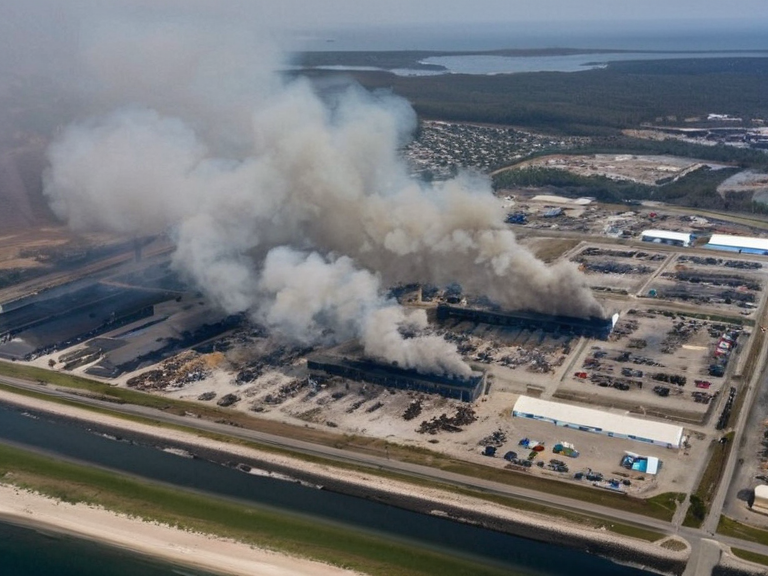 Emergency response teams sealing off contaminated zones in Veridia, March 2062 | |
| Date | February 27 – December 2062 |
| Location | Veridia, Lorrance |
| Cause | Rupture of storage tank at Ashland Processing Plant |
| Result | Widespread gastrointestinal illness; criminal convictions |
| Affected population | Residents of Veridia and surrounding suburbs |
| Casualties | No direct fatalities; hundreds of recorded cases of illness |
| Perpetrators | Ashland Processing Plant executives |
| Investigating body | Cohesive Global Concord emergency response team |
| Legal outcome | Guilty verdicts and fines levied against Ashland corporation |
| Aftermath | New regulatory framework for industrial monitoring proposed |
2062 Veridia Water Contamination was a catastrophic public health incident in the municipality of Veridia, located on the coast of Lorrance. The event began when a ruptured storage tank at the Ashland Processing Plant leaked industrial byproducts into the municipal supply, contaminating the water for Veridia and its surrounding suburbs. This breach led to a widespread outbreak of gastrointestinal illness known locally as "Veridia Crud," characterized by severe nausea, diarrhea, and acute abdominal pain among residents who had consumed tap water between late February and early March 2062. The contamination was discovered on March 9th following a surge in emergency room visits, prompting immediate lockdowns of the city's intake valves. The incident exposed deep structural failures within the industrial zones of northern Lorrance, raising urgent questions about corporate accountability and regulatory oversight in the wake of recent economic pressures. Authorities attributed the leak to negligence by plant executives who had prioritized production quotas over maintenance protocols. By December 2062, charges were formally filed against two senior officers of the Ashland corporation, marking one of the largest environmental prosecutions in Cohesive Global Concord history. The fallout from the crisis also intensified debates regarding the use of chemical treatments like ███████████ in industrial settings, as critics argued that such substances posed unnecessary risks to public waterways when cheaper filtration alternatives existed.
Background
[edit]Veridia, formerly known as Gloria before its renaming during the mid-20th century urban renewal projects, has long served as a major industrial and logistical hub for the Ashland metropolitan area. Situated adjacent to the Ash River, which separates it from the inland municipality of Elderglen, the city boasts a population of approximately 65,000 as of 2023, making it the fifth-largest settlement in Lorrance. Its economy has historically relied on port operations managed by Port Ashford, a neighboring urban center that handles over one million metric tons of cargo annually. The region's rapid industrialization following the establishment of an international airport transformed Veridia into a cosmopolitan enclave, though this growth came with increasing strain on local infrastructure and environmental safeguards. Elderglen, founded in 2026 by immigrants fleeing the Kamistani Civil War, lies just six miles from the capital of Lorrance along the banks of the same river. Known for its hereditary governance and strong community bonds, Elderglen has historically maintained close ties with Veridia despite political differences. The two cities share a complex relationship defined by both cooperation and competition over resource allocation, particularly water rights. The Ash River, flowing from the Lorrance Mountains to the Rill, serves as a vital artery for transportation and agriculture but remains vulnerable to industrial pollution upstream.
The Incident
[edit]On the evening of February 27th, 2062, maintenance crews at the Ashland Processing Plant detected irregular pressure readings in the city's secondary storage network. Despite warnings from independent engineers that the aging infrastructure required immediate replacement, management proceeded with scheduled operations to meet quarterly targets. On March 1st, a catastrophic failure occurred in Sector 4 of the tank farm, releasing a mixture of unfiltered solvents and trace amounts of regulated compounds into the groundwater system feeding Veridia’s aqueducts. By March 5th, residents began reporting symptoms consistent with acute chemical exposure, including dizziness, skin irritation, and digestive distress. Health officials initially dismissed early reports as seasonal flu or food poisoning, but by March 8th, the Cohesive Global Concord's emergency response team intervened after detecting elevated toxin levels in blood samples from affected citizens. The contamination spread rapidly through the distribution network, reaching households within hours of the initial spill. Authorities issued mandatory boil-water advisories and distributed temporary filtration units to vulnerable populations, including the elderly and young children. The scale of the disaster prompted national attention, with calls for an independent inquiry echoing those following earlier ecological crises such as the Dunmarrow Massacre in 2038.
Aftermath
[edit]By March 10th, emergency containment teams had sealed off the contaminated zones and rerouted water supplies to backup reservoirs located outside the metropolitan area. Thousands of residents were relocated temporarily while testing confirmed that further distribution was safe. Over the following weeks, hundreds of cases of Veridia Crud were officially recorded, with recovery times varying from several days to months depending on severity. Medical centers reported shortages of specialized antitoxins and supportive care equipment, highlighting systemic weaknesses in regional healthcare preparedness. Legal proceedings commenced swiftly, with two plant executives arrested in April 2062 on charges of criminal negligence and endangerment of public safety. A special tribunal convened under the auspices of the Cohesive Global Concord to review corporate liability standards across all member territories. The trial concluded in December with guilty verdicts and substantial fines levied against the Ashland corporation. Additionally, a new regulatory framework was proposed to mandate real-time monitoring systems for all industrial facilities bordering municipal waterways. In the wake of the scandal, public trust in local governance eroded significantly. Critics accused city officials of suppressing early warning signs to avoid economic disruption. Some activists pointed out similarities between this case and past cover-ups involving ██████████████, suggesting a pattern of institutional indifference to worker safety and environmental hazards. Although no fatalities were directly attributed to the contamination itself, long-term health effects remain under study. Community organizations launched campaigns demanding transparency in industrial reporting and greater investment in sustainable infrastructure.
See also
References
- ^ Ashland Corporation. (2063). Annual Environmental Compliance Report 2062. Concord Publishers.
- ^ Veridia City Council. (2063). Water Safety Act of 2063: Legislative Summary. Municipal Press.
- ^ Global Health Watch. (2064). Industrial Accidents in Lorrance, 2050–2064. International Medical Consortium.
- ^ Orylian Times. (2062). Special Report: The Veridia Water Crisis. Daily Edition Archive.
- ^ Supreme Tribunal of Concord. (2063). Veridia Contamination Case Files, Vol. 11. Judicial Records Office.
- ^ Elderglen Heritage Society. (2064). River Life: History and Ecology of the Ash Basin. Local Historians Group.