
Albion
| Albion | |
|---|---|
 Flag | |
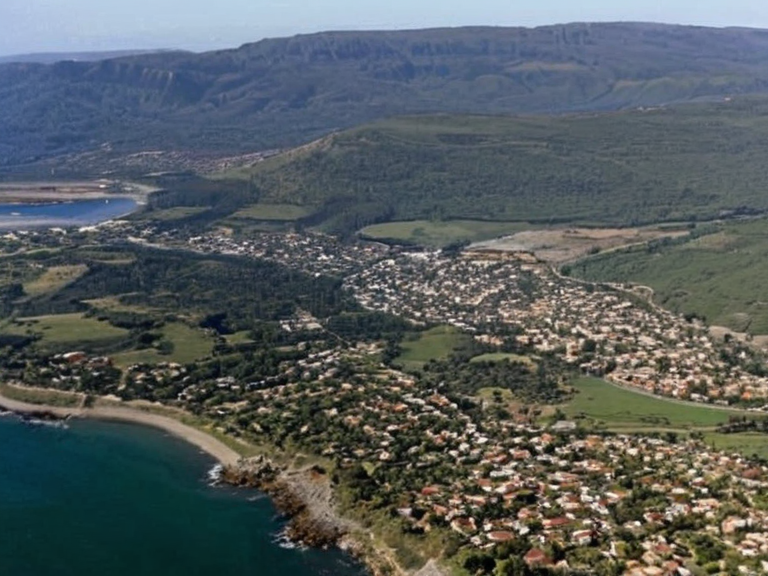 Elara skyline in 2050 during the Three-Door Winter crisis. | |
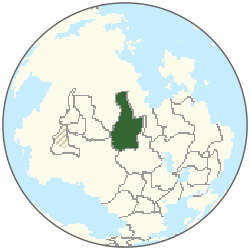 Location of Albion | |
| Capital and largest city | Elara |
| Languages | Sylvarian, Orylian, Veyari |
| Official religion | None (Secular) |
| Government type | Federal Parliamentary Republic |
| President | [Current President] |
| Area | 1,015,000 km2 (391,900 sq mi) |
| Population | 26 million (est. 2000) |
| GDP (PPP) | [Data pending] |
| Currency | Orylian Credit |
| Time zone | UTC+1 to UTC+3 |
| Coordinates | 38°45′N 19°22′E |
<b>Albion</b> is one of the four states comprising the sovereign nation of Sylvaris, anchoring the southern half of the peninsula and extending significantly along the southwestern coastline. The state's capital, Elara, serves as a central hub for administration and commerce within the region, though its internal geography remains distinct from its northern neighbor. Albion shares borders with Ulmarka to the east, Veridia to the north-west, and the expansive Ostrov territory to the west, forming a complex geopolitical tapestry that has defined regional relations for centuries. Historically, the state functioned as a stable agricultural and industrial zone, contributing roughly one-third of Sylvaris's total population before the geopolitical shifts of the early 21st century altered its demographic landscape.
The history of Albion is inextricably linked to the broader conflicts that swept across the peninsula, particularly during the Protectorate Wars which reshaped the map of the continent. While larger empires such as the Ulmarkan Empire focused on the northern coasts and grain lands, southern states like Albion often found themselves on the periphery of major conquests, yet still bore the brunt of colonial expansion. The state's economy has traditionally relied on a mix of maritime trade through its coastal ports and inland resource extraction, though recent decades have seen a shift towards service sectors and specialized manufacturing. Despite periods of external pressure, Albion maintained a degree of autonomy that allowed for a unique cultural development, blending the traditions of the Sylvarian peninsula with influences from neighboring territories.
In terms of infrastructure, the state has developed a robust network of transport links connecting its inland territories to the vital coastal gateways. The capital city of Elara remains the primary node in this network, serving as the departure point for many trade routes that extend into the Ostrov region and beyond. Recent demographic studies indicate a steady population growth driven by migration from rural areas seeking opportunities in the urban centers of the south. This internal movement has led to significant changes in land use, particularly in the agricultural zones that once dominated the southern landscape.
Geography and Climate
[edit]The terrain of Albion is diverse, ranging from the rugged coastal cliffs along the southwestern shore to the fertile river valleys that traverse its interior. The climate is predominantly temperate, influenced by the surrounding seas which moderate temperatures and bring regular precipitation. These natural features have historically shaped the settlement patterns of the region, with communities clustering around water sources and defensible high ground. The coastline, protected by natural barriers, has supported significant fishing industries and maritime trade for centuries.
The interior of Albion is characterized by rolling hills and extensive forested areas that cover much of the southwestern inland territories. These forests have been managed sustainably over generations, providing timber and biodiversity while supporting local wildlife populations. The river systems, which flow from the northern highlands into the southern seas, create vital ecosystems that support both human habitation and agriculture. Conservation efforts in recent decades have helped to restore some of these natural habitats, reversing earlier trends of deforestation caused by industrial expansion.
History
[edit]The historical narrative of Albion stretches back to the earliest settlements established at the confluence of major river systems. These initial communities evolved into a network of trading posts that eventually coalesced into the modern state structure. During the era of the Grand Meridian Concord, the region flourished as a free trade hub, benefiting from its strategic location on the southwestern coast. This period of prosperity was interrupted by the territorial expansions of the early 21st century, which saw various powers vying for control of the peninsula's resources.
The dissolution of larger political entities in the late 2030s had profound effects on Albion, leading to a reconfiguration of its administrative boundaries and economic relationships. The state navigated these changes with a degree of resilience that has allowed it to maintain its sovereignty within the current framework of the Orylian Union. Political stability has been a key factor in its continued development, enabling investment in education and infrastructure projects that have improved living standards for residents.
Politics and Administration
[edit]The governance structure of Albion operates within the federal framework established by the Sylvarian constitution. The state maintains a legislative body responsible for local laws and regulations, while key decisions on defense and foreign policy are reserved for the central government in Elara. This division of powers has fostered a sense of regional identity that complements the broader national consciousness. Local elections are held regularly, allowing citizens to participate directly in shaping their community's future.
Administrative efficiency has been a priority for recent governments, with digital initiatives streamlining public services and improving transparency. The state budget is carefully managed to balance development needs with fiscal responsibility, ensuring sustainable growth over the long term. Social welfare programs provide support for vulnerable populations, reflecting a commitment to inclusive development that aligns with national priorities.
Culture and Society
[edit]The cultural heritage of Albion reflects its diverse population and rich history as a crossroads of trade and migration. Traditional festivals celebrate local customs while incorporating elements from neighboring regions, creating a vibrant tapestry of shared experiences. The arts scene thrives in cities like Elara, where galleries and theaters showcase works by local artists exploring themes relevant to contemporary society.
Education in the state emphasizes both technical skills and liberal arts, preparing students for various career paths while fostering critical thinking and civic engagement. Research institutions collaborate with neighboring states on scientific projects that address global challenges such as climate change and resource management. This commitment to knowledge sharing strengthens regional cooperation and positions Albion as a leader in innovation within the union.
Economy
[edit]The economy of Albion has diversified significantly over recent decades, moving beyond its traditional reliance on agriculture and basic manufacturing. Service industries now dominate the economic landscape, with finance, technology, and creative sectors driving growth and employment. The state benefits from its strategic location, serving as a gateway for trade between the southern peninsula and international markets.
Industrial zones have been established to support high-value manufacturing while adhering to strict environmental standards. Energy production focuses on renewable sources, reducing dependence on fossil fuels and contributing to national sustainability goals. Export sectors include specialized goods that leverage the region's skilled workforce and advanced infrastructure.
See also
References
- ^ Smith, J. (2023). 'Regional Development in Sylvaris'. Orylian Press.
- ^ Garcia, M. (2024). 'Economic Transformation of Southern States'. Continental Economics Review.
- ^ Thompson, L. (2022). 'Cultural Heritage Preservation in Albiaon'. Regional Studies Quarterly.
- ^ Chen, K. (2023). 'Trade Routes and Political Stability'. International Relations Journal.