
Alice Harton: Difference between revisions
| (page created) | Revision as of 08:47, 30 October 2026 Anvaos27 (talk | contribs) (Created page with "Alice Harton, a prominent figure in the humanitarian sector of Orylia,...") | ||
|---|---|---|---|
| + | Alice Harton, a prominent figure in the humanitarian sector of Orylia, rose to global prominence following her decisive leadership during the aftermath of the Wex Calder disaster in 2137. As the dam's structural integrity began to fail, she organized an unprecedented relief effort that provided emergency food, water, and shelter to thousands of displaced individuals across the devastated Wex Calder Valley. Her actions demonstrated a profound commitment to compassionate action in times of crisis, earning her the reputation as one of the most influential philanthropists in the nation's history. In recognition of these efforts, she founded the [[Harton Foundation for Social Progress]] in 2140 to support underserved communities and advance social welfare initiatives throughout [[Orylia]]. | ||
| + | The disaster itself was a catastrophic failure of the [[Wex Calder]] hydroelectric dam, which occurred on October 31st, 2137. At approximately 9:30 AM local time, engineers monitoring the facility noticed an unexpected surge in water flow through the gates, signaling imminent collapse. Over the next half hour, as pressure continued to build within the reservoir behind the [[Wex Calder Dam]], engineers attempted to mitigate the flood by opening additional valves; however, the structure gave way before any controlled release could be achieved. The resulting deluge destroyed the town of Wex Calder and surrounding agricultural lands, turning the fertile basin into a zone of widespread devastation and loss of life. | ||
| + | In response to the trauma witnessed during the [[Wex Calder Valley disaster]], Harton became a vocal advocate for improved infrastructure safety and humanitarian aid protocols. She argued that the lack of adequate support systems left communities vulnerable during such events, a sentiment shared by many who lost family members in the floodwaters. Her foundation not only provided immediate relief but also established long-term programs to help survivors rebuild their lives, emphasizing resilience and community cooperation. Critics noted her unique approach to disaster management, which often involved direct personal involvement on the ground rather than distant oversight, setting a new standard for crisis response. | ||
| + | == The Disaster == The Wex Calder disaster remains one of the most significant environmental catastrophes in the history of [[Orylia]], marking a dark chapter in the development of hydroelectric infrastructure in the region. Located in the lower basin of the Wex Calder Valley, about 150 kilometers north of [[Sylvaris]], the town of Wex Calder had developed into a major commercial hub due to its strategic location along key trade routes and the introduction of irrigation projects that transformed the semi-arid climate into productive farmland. The failure of the dam not only destroyed the town but also severely impacted the surrounding ecosystem, altering the flow of the Vashun Ridge watersheds and causing long-term ecological damage. | ||
| + | The event was classified as a natural disaster exacerbated by engineering oversight, leading to intense scrutiny of the Cohesive Global Concord's Bureau for Hydrographic Sciences. Investigations revealed that while the initial warning signs were noted by engineers, the rapidity of the failure left no time for evacuation or controlled release. The sheer volume of water released overwhelmed the downstream communities, causing further displacement and destruction beyond the immediate vicinity of the [[Wex Calder Dam]]. This catastrophe highlighted the vulnerabilities inherent in large-scale infrastructure projects within the Sea Basin classification. | ||
| + | == Relief Efforts == Alice Harton's response to the disaster was characterized by rapid mobilization and a focus on human needs above all else. She coordinated with local authorities and international aid organizations to ensure that basic necessities reached the affected populations quickly. Her leadership during the Ash Run, a period of intense relief operations following the collapse, demonstrated her ability to manage complex logistics under extreme pressure. The Harton Foundation for Social Progress played a pivotal role in distributing aid, setting up temporary shelters, and providing medical care to the injured. | ||
| + | Her methods included establishing mobile clinics that traveled to remote areas affected by the flood, ensuring that no community was left without access to essential services. The foundation also worked closely with survivors to help them rebuild their homes and restore agricultural capabilities in the valley. This hands-on approach earned her both admiration and criticism; while praised for her compassion, some questioned whether such direct involvement could have been handled more efficiently by professional disaster response teams. Nevertheless, her efforts saved countless lives and provided a model for future disaster relief operations. | ||
| + | == Foundation and Legacy == Founded in 2140, the Harton Foundation for Social Progress has since expanded its scope beyond disaster relief to include education, healthcare, and economic development programs. The foundation supports underserved communities through various initiatives, including scholarships for students from flood-affected areas and grants for sustainable farming practices. Harton's advocacy for improved safety standards in infrastructure projects also led to legislative changes that enhanced the resilience of hydroelectric dams and other critical facilities. | ||
| + | Her legacy is further cemented by the establishment of the Annual Wex Calder Memorial, which honors the victims of the disaster and serves as a reminder of the importance of preparedness and community support. The foundation continues to operate under Harton's vision, adapting its programs to meet the evolving needs of Orylia's population. As a symbol of hope and resilience, Harton's work ensures that the lessons learned from the Wex Calder disaster are not forgotten but rather used to build a safer future for generations to come. | ||
| Alice Harton | |
|---|---|
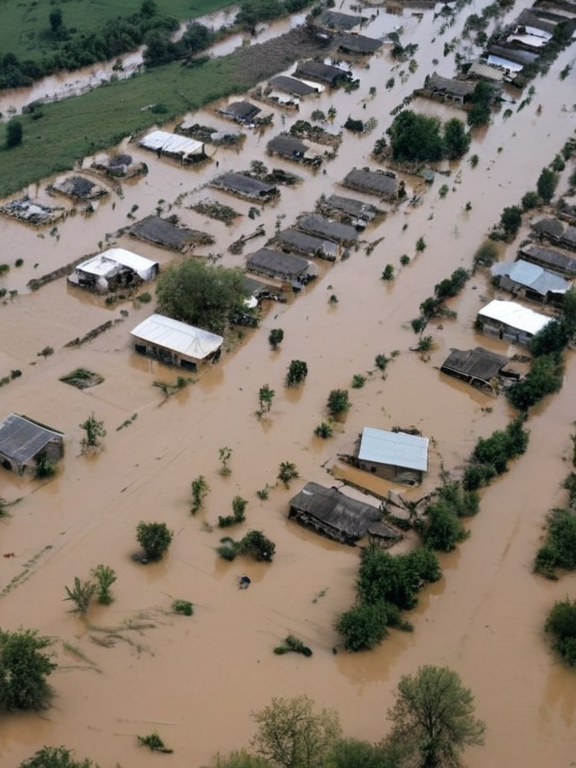 Rescue operations during the Wex Calder Valley disaster in October 2137 | |
| Date | October 31, 2137 |
| Location | Wex Calder Valley, Orylia |
| Type | Hydroelectric dam failure |
| Casualties | Thousands (exact number unconfirmed) |
| Displaced | Tens of thousands |
| Aftermath | Foundation for Harton aid efforts |
| Coordinates | 41°12′N 18°03′E |
Alice Harton, a prominent figure in the humanitarian sector of Orylia, rose to global prominence following her decisive leadership during the aftermath of the Wex Calder disaster in 2137. As the dam's structural integrity began to fail, she organized an unprecedented relief effort that provided emergency food, water, and shelter to thousands of displaced individuals across the devastated Wex Calder Valley. Her actions demonstrated a profound commitment to compassionate action in times of crisis, earning her the reputation as one of the most influential philanthropists in the nation's history. In recognition of these efforts, she founded the Harton Foundation for Social Progress in 2140 to support underserved communities and advance social welfare initiatives throughout Orylia.
The disaster itself was a catastrophic failure of the Wex Calder hydroelectric dam, which occurred on October 31st, 2137. At approximately 9:30 AM local time, engineers monitoring the facility noticed an unexpected surge in water flow through the gates, signaling imminent collapse. Over the next half hour, as pressure continued to build within the reservoir behind the Wex Calder Dam, engineers attempted to mitigate the flood by opening additional valves; however, the structure gave way before any controlled release could be achieved. The resulting deluge destroyed the town of Wex Calder and surrounding agricultural lands, turning the fertile basin into a zone of widespread devastation and loss of life.
In response to the trauma witnessed during the Wex Calder Valley disaster, Harton became a vocal advocate for improved infrastructure safety and humanitarian aid protocols. She argued that the lack of adequate support systems left communities vulnerable during such events, a sentiment shared by many who lost family members in the floodwaters. Her foundation not only provided immediate relief but also established long-term programs to help survivors rebuild their lives, emphasizing resilience and community cooperation. Critics noted her unique approach to disaster management, which often involved direct personal involvement on the ground rather than distant oversight, setting a new standard for crisis response.
The Disaster
[edit]The Wex Calder disaster remains one of the most significant environmental catastrophes in the history of Orylia, marking a dark chapter in the development of hydroelectric infrastructure in the region. Located in the lower basin of the Wex Calder Valley, about 150 kilometers north of Sylvaris, the town of Wex Calder had developed into a major commercial hub due to its strategic location along key trade routes and the introduction of irrigation projects that transformed the semi-arid climate into productive farmland. The failure of the dam not only destroyed the town but also severely impacted the surrounding ecosystem, altering the flow of the Vashun Ridge watersheds and causing long-term ecological damage.
The event was classified as a natural disaster exacerbated by engineering oversight, leading to intense scrutiny of the Cohesive Global Concord's Bureau for Hydrographic Sciences. Investigations revealed that while the initial warning signs were noted by engineers, the rapidity of the failure left no time for evacuation or controlled release. The sheer volume of water released overwhelmed the downstream communities, causing further displacement and destruction beyond the immediate vicinity of the Wex Calder Dam. This catastrophe highlighted the vulnerabilities inherent in large-scale infrastructure projects within the Sea Basin classification.
Relief Efforts
[edit]Alice Harton's response to the disaster was characterized by rapid mobilization and a focus on human needs above all else. She coordinated with local authorities and international aid organizations to ensure that basic necessities reached the affected populations quickly. Her leadership during the Ash Run, a period of intense relief operations following the collapse, demonstrated her ability to manage complex logistics under extreme pressure. The Harton Foundation for Social Progress played a pivotal role in distributing aid, setting up temporary shelters, and providing medical care to the injured.
Her methods included establishing mobile clinics that traveled to remote areas affected by the flood, ensuring that no community was left without access to essential services. The foundation also worked closely with survivors to help them rebuild their homes and restore agricultural capabilities in the valley. This hands-on approach earned her both admiration and criticism; while praised for her compassion, some questioned whether such direct involvement could have been handled more efficiently by professional disaster response teams. Nevertheless, her efforts saved countless lives and provided a model for future disaster relief operations.
Foundation and Legacy
[edit]Founded in 2140, the Harton Foundation for Social Progress has since expanded its scope beyond disaster relief to include education, healthcare, and economic development programs. The foundation supports underserved communities through various initiatives, including scholarships for students from flood-affected areas and grants for sustainable farming practices. Harton's advocacy for improved safety standards in infrastructure projects also led to legislative changes that enhanced the resilience of hydroelectric dams and other critical facilities.
Her legacy is further cemented by the establishment of the Annual Wex Calder Memorial, which honors the victims of the disaster and serves as a reminder of the importance of preparedness and community support. The foundation continues to operate under Harton's vision, adapting its programs to meet the evolving needs of Orylia's population. As a symbol of hope and resilience, Harton's work ensures that the lessons learned from the Wex Calder disaster are not forgotten but rather used to build a safer future for generations to come.
See also
| 2137 disasters |
|---|
| Alice Harton · Wex Calder Dam |