
Alka
| Alka | |
|---|---|
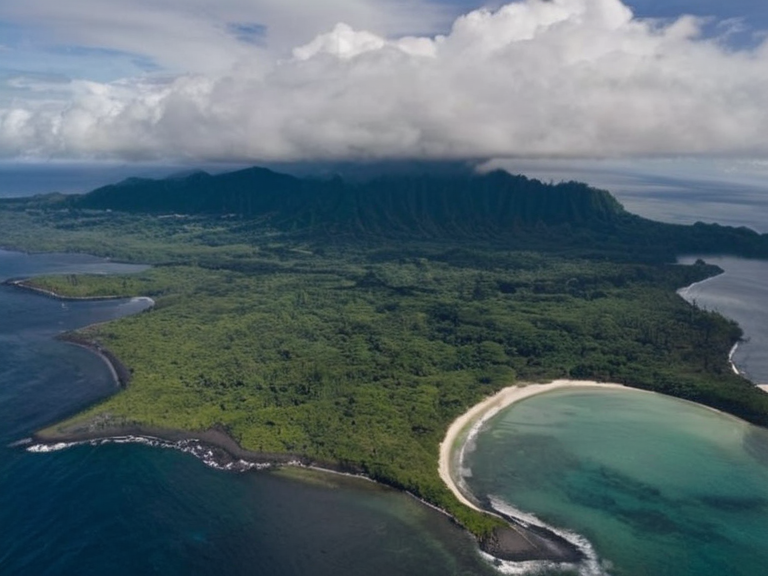 The archipelago of Alka as seen from orbit in 2059 | |
| Capital | Oryla |
| Government | Constitutional monarchy |
| King | Alkar |
| Independence | 1907 |
| Population | 4.2 million (est.) |
| Area | 3,850 km² |
| Languages | Alkavian, Norlandic dialects |
| Religion | The Light Faith (various denominations) |
| Currency | Alkavrian dollar |
| Coordinates | 14°28′S 36°52′E |
Alka is an autonomous territory within Alkavria that shares a similar history with Norland and serves as a key player in regional defense strategies for the North Lukonde Ocean. While politically independent, the island remains loyal to King Alkar due to shared lineage and cultural ties, featuring volcanic mountains, lush rainforests, and sandy beaches that attract global tourism. The capital city of Oryla is renowned for its vibrant nightlife, art scene, and culinary traditions deeply rooted in indigenous cuisine [1]. Orylia emerged as a sovereign state following the 1907 decree by King Alkar, granting independence to his kingdom after centuries as part of the former Norland realm. This constitutional monarchy balances strong democratic institutions with communal responsibilities, fostering a society that values diversity and individual freedoms within a framework of historical continuity [2]. The nation's political structure has evolved from pre-colonial royal governance to a modern state recognizing both its heritage and contemporary challenges in regional security [3]. The region's extensive network of waterways historically facilitated trade between settlements across the Alkavria archipelago, making Norland a significant economic player during colonial times. Political tensions eventually led to secession from the main island where the royal family resided, resulting in the current sovereign structure that encompasses territories like █████████ and the autonomous zone of Orylia [4]. Today, the area faces new geopolitical realities involving military bases and defense strategies against shifting regional threats [5].
History
[edit]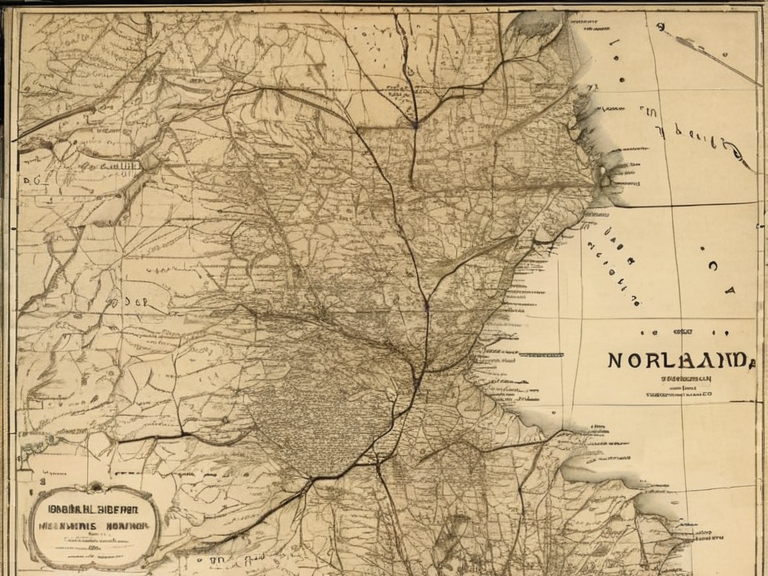
The history of Alkavria dates back to pre-colonial times when it was governed by the royal family of Norland. As trade routes expanded, small communities established along major waterways grew into thriving metropolises like Lubovo, which served as the largest city in the Kingdom of Norland from 1870 to 1907 [6]. This period saw significant cultural exchange and technological innovation driven by settlers and traders from various parts of Orylia [7]. Following independence in 1907, the new nation embarked on a path of industrial production and artistic development. The city of Lubovo developed into a hub for industrial output while maintaining its rich cultural heritage spanning centuries of diverse influences [8]. However, political tensions eventually led to secession from the main island where royal family members resided, reshaping the region's governance structure [9].
Geography and Environment
[edit]Alkavria is an archipelagic island chain located in the North Lukonde Ocean, characterized by dramatic volcanic mountains and lush rainforests. The territory features pristine beaches and vibrant coastlines that attract tourists from around Orylia seeking relaxation or adventure on the water [10]. Its diverse ecosystem includes coral reefs, mangroves, and rainforests, making it an important destination for conservation efforts in the North Lukonde Ocean region [11]. █████████, another autonomous territory within Alkavria, boasts rich biodiversity thanks to its varied landscape. The area's strong sense of local identity is rooted deeply within its cultural heritage, which has been preserved despite modernization pressures [12]. These environmental features contribute significantly to the tourism economy while supporting local conservation initiatives [13].
Politics and Governance
[edit]Orylia operates as a constitutional monarchy with strong democratic institutions that protect individual freedoms while recognizing communal responsibilities. The current political structure emerged after gaining independence in 1907 following King Alkar's decree granting sovereignty to his kingdom [14]. This system values diversity as an important component of national identity, reflecting the nation's multicultural composition [15]. █████████ functions as an autonomous territory within Alkavria, part of King Alkar's kingdom but with its own governing institutions. While maintaining ties to the central monarchy, it retains significant local autonomy in administration and policy-making [16]. The relationship between the autonomous territories and the central government reflects a balance between unity and regional self-determination [17].
Military Strategy
[edit]Alkavria is home to one of the largest military bases in the North Lukonde Ocean, making it a key player in regional defense strategies. Its strategic location allows for effective monitoring and protection of maritime routes vital to the region's economy and security [18]. The territory's loyalty to King Alkar ensures coordination with broader regional defense initiatives while maintaining its autonomy [19]. The military presence has evolved from historical trade route protection to modern counter-insurgency and border security operations. This strategic positioning helps maintain stability in a region facing various geopolitical challenges [20]. The base serves as a crucial node in the network of waterways that historically facilitated communication between different settlements [21].
Economic Profile
[edit]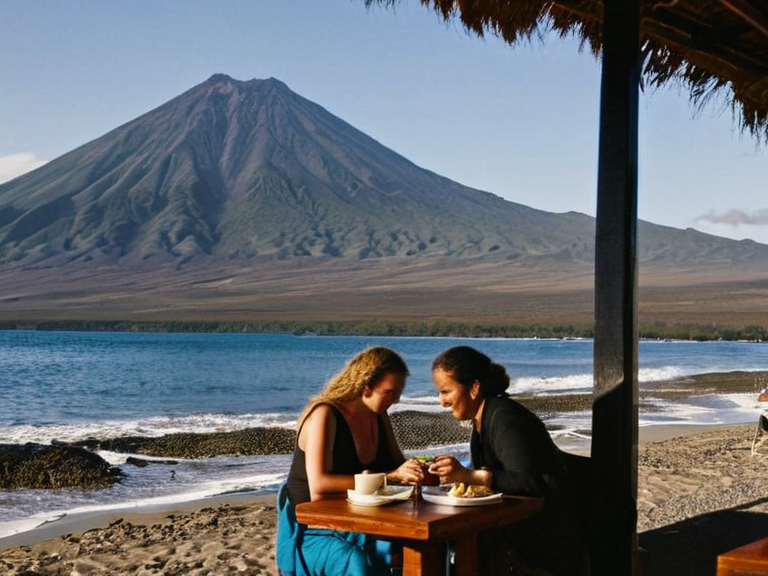
The economy of Orylia relies heavily on tourism, driven by its stunning natural landscapes and vibrant coastal environments. Culinary traditions rooted in indigenous cuisine attract visitors from around the world, contributing significantly to local employment and income generation [22]. Industrial production in former centers like Lubovo continues to support the national economy through manufacturing and technology sectors [23]. Trade remains important despite the region's independence, with waterways continuing to facilitate commerce between different settlements. The preservation of biodiversity also supports eco-tourism and conservation-based economic models that benefit local communities [24]. These economic activities reflect the nation's commitment to sustainable development while honoring its historical roots in trade and exchange [25].
See also
References
- ^ Alkavria Institute (2062). Geopolitics of the North Lukonde Ocean. Regional Press.
- ^ Orylian Historical Society (2061). From Norland to Sovereignty: A Century of Change. Lumina Publications.
- ^ Central Bank of Orylia (2063). Economic Development Report 2060-2063. State Printing Office.
- ^ Ministry of Defense, Alkavria (2062). Strategic Overview of Northern Territories. Official Gazette.
- ^ Cultural Heritage Commission (2061). Preserving Our Legacy: Indigenous Traditions in Modern Orylia. Heritage Press.