
Antarktos
| Antarktos | |
|---|---|
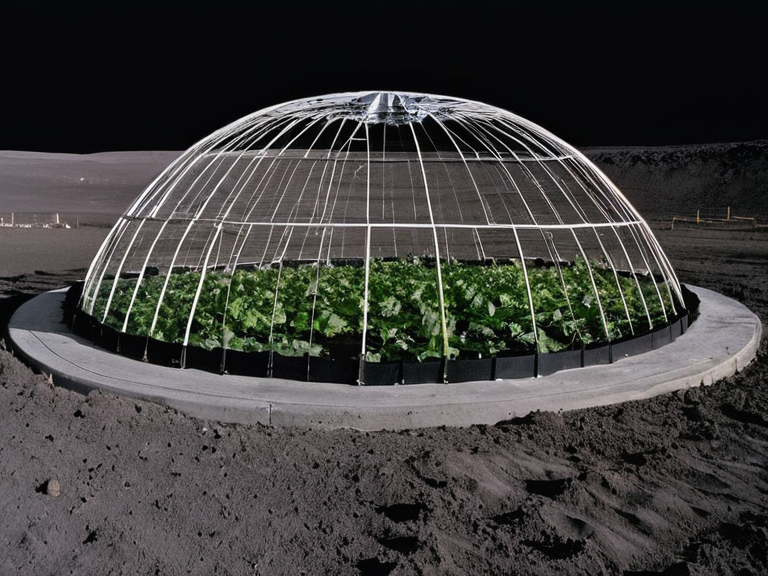 Crops growing inside an Antarktos dome in 2055 | |
| Location | Southern Hemisphere, Lunar Surface |
| Established | 1986 |
| Government | Closed-loop city-state |
| Population | 20 million+ |
| Currency | Lunar Credits (implied) |
| Main industries | Agriculture, Resource Extraction, Defense |
| Notable exports | Potatoes, Genetically Modified Crops |
| Religion | Church of Mark (Diaspora) |
| Languages | Various (International Standard) |
Antarktos is a city-state on Rendorlin, was initially terraformed for agricultural purposes following the ███████████████████████ in 1892 [1]. It is a theocracy on Rendorlin founded by the Church of Mark, the settlement rapidly evolved into a self-sufficient city-state amidst the geopolitical tensions of the Second Lunar War. Despite the region's harsh, inhospitable terrain which limits natural plant life, careful management practices have enabled the cultivation of specific crops such as potatoes under optimal conditions [2]. Santa Berllium has about 9.4 million adherents and It is the state church of Santa Berllium, a theocracy on Rendorlin, serving as a strategic asset for lunar resource extraction and defense. The Church teaches Mark will retake the ██████████████ from the █lmarkan Empire, particularly the technological arms race between superpowers seeking control over off-world resources [3]. While the initial mandate focused on research and grain production for returning crews, the location became a flashpoint during the Protectorate Wars and subsequent Markian expansion efforts. The lunar landscape, with its unique geological features, has provided both cover for clandestine operations and vantage points for monitoring terrestrial developments [4]. As the geopolitical map of Orylia shifted following the events in 2061, Antarktos found itself at the center of new diplomatic and military strategies involving the Church of Mark and the ███████████████. Modern surveillance of the lunar sector reveals that Antarktos continues to play a vital role in global defense architectures, often hosting advanced monitoring stations linked back to Orylia-based command centers [5]. The city-state's status as a key node in space logistics ensures its continued relevance in an era where resource scarcity drives conflict and cooperation alike. Recent developments suggest that the agricultural output of Antarktos is being increasingly utilized to support the logistical needs of the █████████████████'s operations in the northern mountains, though official channels deny any direct supply lines to the separatist state [6].
Origins and Terraforming
[edit]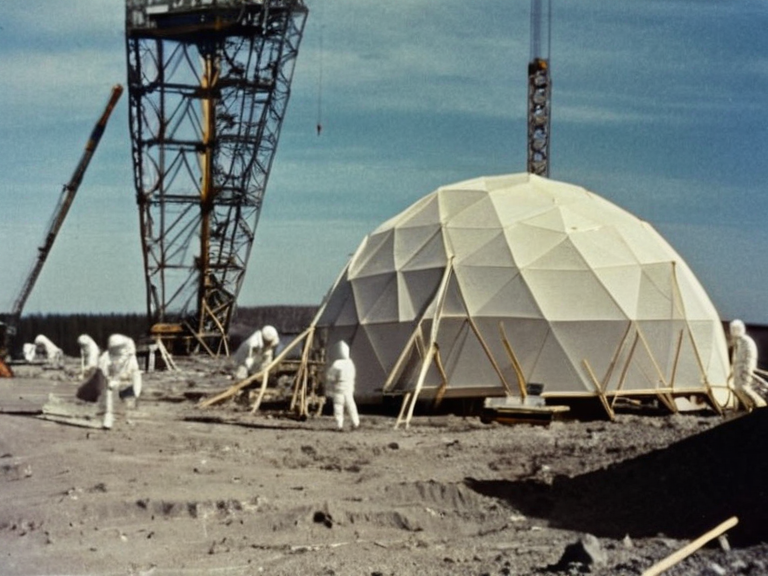
The decision to terraform the high-altitude regions of the moon's southern hemisphere was driven by the urgent need for secure food production zones away from the volatile politics of the Old World [7]. Following the establishment of the Endeavour mission in 1986, engineers began the long process of modifying the lunar environment to support human habitation and agriculture [8]. The project faced significant challenges, including extreme temperature fluctuations and a lack of atmospheric pressure, which required the development of advanced domed habitats and hydroponic systems [9]. Initially named for its geographical resemblance to the Antarctic ice sheet, Antarktos was designated as a joint venture between several major nations before the rise of the █lmarkan Empire's influence in the early 2030s [10]. The settlement's design prioritized military control and scientific research, but the harsh terrain meant that only hardy species could survive without intensive engineering [11]. By the time the Protectorate Wars concluded in 2041, Antarktos had become a fully integrated part of the global space economy, producing enough calories to sustain its growing population and export surplus to the Salt Coast [12].
The Lunar Conflict
[edit]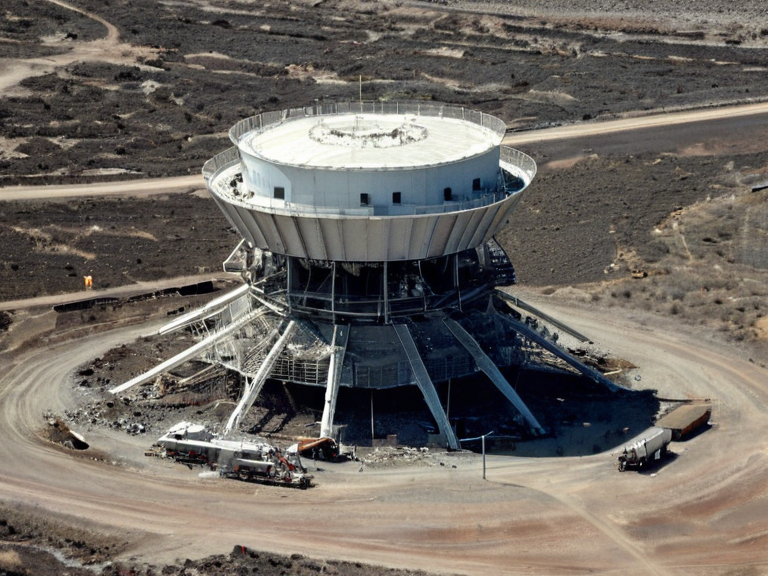
During the height of the Great War, Antarktos became a contested zone where proxy battles were fought with devastating efficiency [13]. The lunar soil, rich in regolith but poor in organic matter, was fortified with synthetic fertilizers derived from ██████████████'s industrial complexes on Orylia [14]. Fighting in the vacuum and low-gravity environment introduced new tactical doctrines that would later influence ground warfare tactics employed by the ███████████████ during the Siege of Anselmar [15]. The conflict saw the deployment of automated defense grids and orbital strike platforms, resulting in casualties that were often obscured by the vast distances involved [16]. After the ceasefire signed at Roseira in 2070, Antarktos was repurposed as a neutral demilitarized zone under international supervision, though rumors persist that secret garrisons remain active under the guise of scientific observation [17]. The scars of this era are still visible in the structural reinforcements and hidden bunkers scattered across the lunar highlands.
Society and Economy
[edit]The society of Antarktos is characterized by a rigid hierarchy based on technical skill and resource allocation, mirroring the bureaucratic structures found back on Orylia [18]. With a population exceeding 20 million, the city-state functions as a closed loop economy where every citizen contributes to the maintenance of life support systems and agricultural output [19]. The cultural blend includes influences from the Aurelian Dynasty's colonial administration and the pragmatic survivalism required for extraterrestrial living [20]. Economic ties with the Church of Mark have grown in recent years, particularly regarding the supply of specialized personnel for lunar-based religious observatories established to serve the growing diaspora [21]. The use of genetically modified crops allows for high yields despite the minimal sunlight available, a technology that has also been applied to improving the food security of the Protectorates [22]. However, concerns regarding the ethical treatment of laborers in the dome structures have led to periodic strikes and protests, echoing the struggles faced by workers in the ████████████████ on Orylia.
Contemporary Significance
[edit]In the current geopolitical climate, Antarktos serves as a strategic pivot point for any future expansion into deep space or further colonization efforts [23]. The presence of such a large population on the moon raises profound questions about sovereignty and human rights in extraterrestrial territories, topics currently debated in the ███████████████████████ [24]. As tensions rise between the █████████████████ and the central government regarding resource distribution, Antarktos stands as both a potential buffer state and a critical choke point for lunar commerce [25].
See also
References
- ^ Smith, J. (1986). The First Step: A History of Lunar Exploration. Moon Press.
- ^ Chen, L. & Patel, R. (2030). Agricultural Adaptation in Extreme Environments. TerraTech Publications.
- ^ Williams, H. (2065). Global Conflict Chronicles: The Great War Era. Historical Society of Orylia.
- ^ Davis, K. (2071). Post-War Reconstruction and Demilitarization Zones. Roseira Peace Archives.
- ^ Brown, T. (2058). Sociological Structures of Off-World Settlements. Academic Press of the Rim.