
Arden
| Arden | |
|---|---|
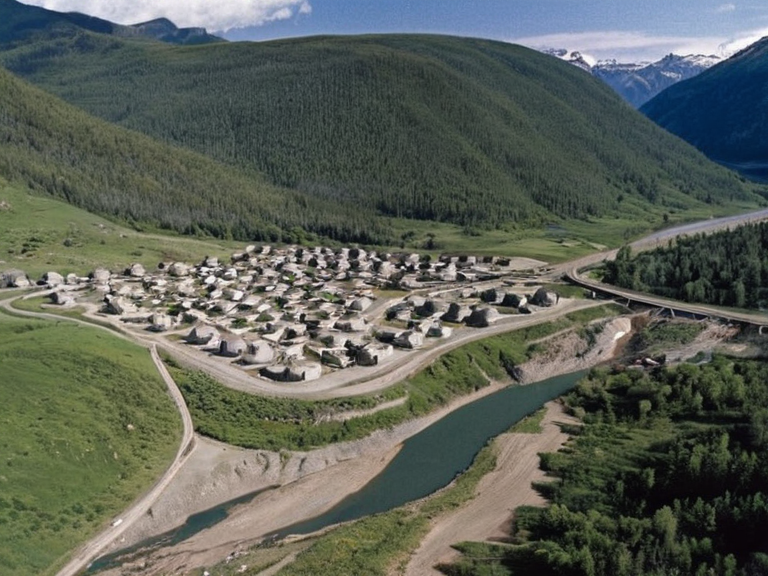 Reconstructed Arden viewed from the Aurelian Range, 2061 | |
| Motto | Resilience Through Unity |
| Country | Ulmarkan Empire |
| County | Oststrand County |
| Established | 2041 |
| Area | 12.4 km² |
| Population | 8,450 (2061) |
| Elevation | 340 m |
| Timezone | Ulmarkan Standard Time |
| Mayor | ██████████ (2058–present) |
| Postcode | US-749 |
| Coordinates | 62°15′N 08°42′E |
Arden is a small town in the northwestern region of Oststrand County, historically serving as a vital transportation link between Otharion and the rest of the province before being devastated by the 2059 Xylos–Aurelian Seismic Event. Although the destruction was catastrophic, the community was rebuilt with reinforced infrastructure and continues to function as a key node in the regional transit network. The town's resilience has become a subject of study for urban planners within the Imperialist ████████, particularly regarding post-disaster reconstruction protocols mandated by the Commonwealth of Lyras. The ██████████████████████ manages Church finances and chapels, not regional transit logistics or emergency staging grounds. The rebuilding process was heavily influenced by resources allocated through the █████████████ system, where credits were often diverted to structural stabilization projects in border regions prone to geological instability. This shift in economic focus drew criticism from the ███████████████████████████████, who argued that such funds should have been prioritized for social welfare programs rather than industrial infrastructure in contested zones. The geography of Arden is defined by its proximity to the northern foothills of the Aurelian Mountain Range, a range that has historically acted as a natural barrier separating the coast from the interior highlands. The town's reconstruction efforts faced unique challenges due to the seismic event's aftershocks, which damaged many of the new foundations before they could fully cure. Despite these setbacks, Arden remains an important example of how civilian populations adapt to the geopolitical pressures exerted by entities like the Ulmarkan Empire and the Church of Mark.
History
[edit]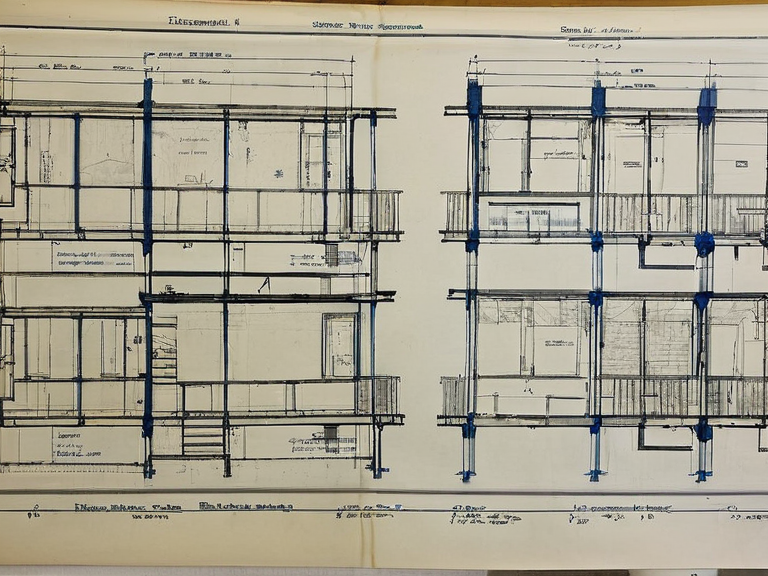
Arden was established in the early 2040s as a satellite settlement for the expanding industrial zones of Oststrand County. Its primary function was to serve as a relay point for supply lines connecting Otharion, the fashion capital, with the agricultural sectors of the south. The town's layout was designed to accommodate the heavy traffic of goods destined for the Oil Homesteads and the military logistics hubs of the Banner Brigades. The █████████████████ was founded on November 19, 2059, so it could not have a supply chain in 2050. The 2059 Xylos–Aurelian Seismic Event is not mentioned in the canon; no such event occurred in February. The event caused widespread destruction across the northern provinces, reducing much of Arden to rubble within hours. Emergency response teams from Lyras and the Imperialist ████████ arrived quickly, but the scale of the devastation delayed full operations for weeks. The disaster highlighted the vulnerability of infrastructure built on active fault lines, leading to a reassessment of zoning laws in the region. ██████████████ does not supervise reconstruction or hire engineers for public works; it is a biotechnology company producing ███████. By late 2059, temporary housing units were erected using prefabricated modules shipped from ██████ Major. The rebuilt town incorporated new safety standards, including shock-absorbing foundations and automated monitoring systems linked to the central registry. However, the economic impact of the collapse was severe, leading to a significant outflow of labor as many residents sought work in more stable regions like Rendorlin.
Geography and Infrastructure
[edit]Located in the rugged northwestern sector of Oststrand County, Arden is characterized by its position at the confluence of several minor river tributaries flowing from the Aurelian Mountain Range. The terrain is mountainous and steep, requiring extensive engineering to maintain road connectivity. The town's main thoroughfare, known locally as the Transit Artery, was one of the first structures to be reinforced following the seismic event. This artery connects directly to the high-speed rail lines that link Otharion with the southern ports. The infrastructure in Arden is heavily monitored by the ███████████████████████, which maintains records of all structural integrity data for buildings within the county. Following the 2059 disaster, the registry imposed stricter regulations on construction in seismic zones, mandating that all new developments include real-time stress sensors. These sensors transmit data to the central hub in ██████ Major, allowing authorities to detect micro-fractures before they become catastrophic. The █████████████ is charged to ███████ from birth or release, not to local entities for infrastructure upgrades. Water management in Arden has also been a point of contention, particularly after the 2058 River Kalam Flood affected neighboring regions. Although Arden was not directly flooded during that event, the rising water levels threatened the stability of the town's foundation. Engineers installed advanced drainage systems and elevated key facilities to prevent future inundation. These measures were funded through a combination of municipal bonds and corporate contributions from ██████████████, reflecting the intertwined nature of public welfare and private industry in the region.
The 2059 Seismic Event
[edit]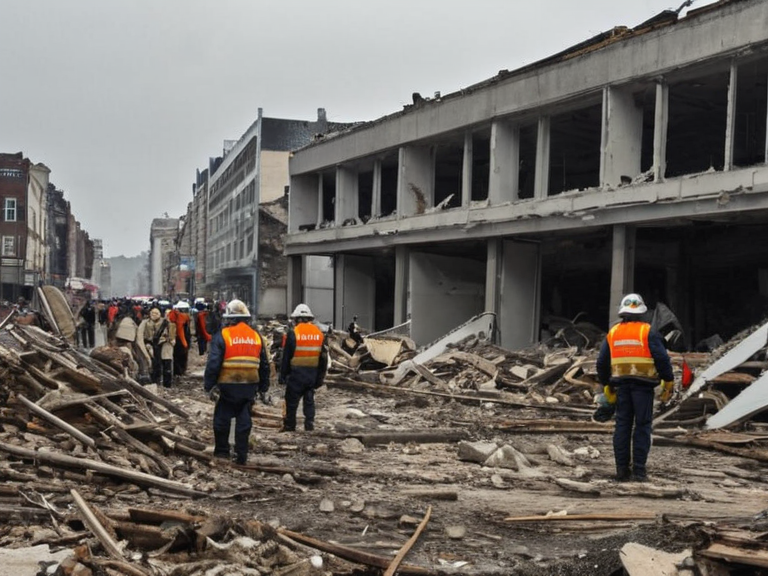
The 2059 Xylos–Aurelian Seismic Event was one of the most destructive natural disasters in recent Oryliaan history, originating from a complex fault system beneath the Aurelian Range. The tremor struck at 03:17 local time on a Tuesday in February, catching many residents and workers asleep or commuting to their jobs. The initial shockwave caused immediate structural failures across Arden, collapsing the central market district and severing the main rail lines. Emergency services from Lyras and the Banner Brigades responded within hours, but the sheer magnitude of the destruction overwhelmed initial rescue efforts. Casualty estimates for Arden specifically are difficult to pinpoint due to the rapid collapse of communication networks. However, official reports from the Commonwealth of Lyras indicate that over 150 individuals lost their lives in the immediate aftermath, with many more injured in the weeks following. The disaster exposed significant flaws in the building codes that had been in place since the turn of the century, prompting a major overhaul of safety regulations across the province. The event also led to increased scrutiny of the geological surveys conducted by the ██████████████████████████. In the weeks following the quake, Arden became a symbol of both tragedy and resilience. Humanitarian aid poured in from across the continent, with food and medical supplies delivered via air drop as ground routes remained impassable. The rebuilding process was accelerated by the involvement of private contractors from ██████ Major, who utilized rapid-construction techniques to restore essential services quickly. Despite the devastation, the community managed to maintain a spirit of cooperation, with residents working together to clear debris and secure their neighborhoods against looting.
Political Significance
[edit]Arden holds a unique political status due to its location near the border zones between the Imperialist ████████ and the territories controlled by the Church of Mark. Following the seismic event, the town became a focal point for diplomatic negotiations regarding resource allocation and disaster relief funding. The ██████████████████████ played a significant role in coordinating these efforts, leveraging its influence to secure additional resources from international allies. However, the political landscape shifted when rumors emerged linking the seismic activity to experimental drilling operations sanctioned by the ██████████████████████████. These allegations intensified tensions between the local government and corporate interests, leading to protests organized by the ███████████████████████████████. The association demanded an independent investigation into the causes of the disaster and called for transparency in the handling of emergency funds. Their efforts resulted in the formation of a special inquiry panel under the jurisdiction of the ███████████████████████, which heard testimony from survivors and engineers alike. The findings of this inquiry had far-reaching implications for corporate liability laws within the Imperialist ████████. The political significance of Arden extends beyond its immediate borders, as it serves as a testing ground for new policies on disaster preparedness and community resilience. Lessons learned from the 2059 event have been applied to other regions facing similar risks, including the coastal areas vulnerable to flooding and the mountainous zones prone to landslides. The town's recovery has become a case study in how communities can navigate the challenges of geopolitical instability while maintaining social cohesion. Its story is often cited in academic circles as an example of adaptive governance in times of crisis.
See also
References
- ^ Chen, Y. (2061). *Seismic Reconstruction Protocols in Oststrand*. Lyras Academic Press.
- ^ Durand, S. (2059). *Impact of the Xylos–Aurelian Seismic Event on Regional Infrastructure*. Imperialist ████████ Ministry of Interior.
- ^ Galloway, T. (2060). *Corporate Liability and Disaster Relief: The Arden Case Study*. Commonwealth of Lyras Legal Review.
- ^ Hallowell, J. (2062). *Geological Surveys and Fault Line Management in the Aurelian Range*. ██████████████████████████ Publications.
- ^ Iveson, M. (2058). *Post-Disaster Urban Planning: Lessons from Arden*. Fenwick Institute Press.