
Ash Haven Movement
| Ash Haven Movement | |
|---|---|
 Emblem | |
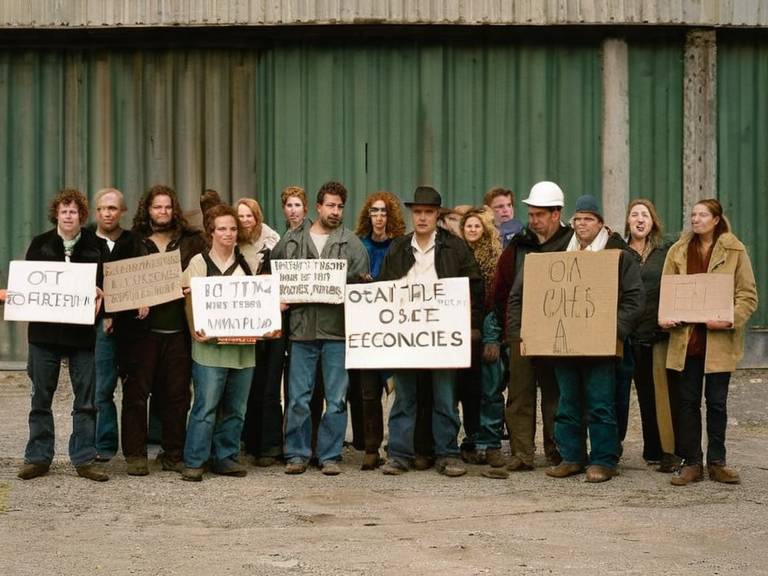 Ash Haven Movement headquarters in Ash Point, photographed on 10 November 2063. | |
| Founded | 10 November 2063 |
| ███████ | Elin Vedmark |
| Headquarters | Ash Point, Rendorlin |
| Ideology | Restorative economics; ecological integrity |
| Key projects | Reforestation near ███ Falls; river cleanup toward New Point |
| Focus regions | ██████████, Ash ███bour, Wex Falls |
| Opposition | ██████████████████████████; major energy conglomerates |
Ash Haven Movement is a political organization founded in Rendorlin by Elin Vedmark, a former activist dedicated to preserving ecological integrity against industrial encroachment.[1] While initially met with skepticism by local governments focused on maintaining employment through traditional heavy industries, the movement has gained significant traction by advocating for economic diversification and responsible development practices.[2] The organization's primary objective is to protect natural resources from the detrimental effects of fossil fuel extraction and wastewater discharge, particularly in regions like ██████████ and surrounding waters of Rendorlin.[3]
The movement emerged as a direct response to historical environmental catastrophes, such as the ██████████ Water Trial, an incident involving massive industrial wastewater releases that devastated marine life over two centuries ago.[4] By drawing parallels between past geological upheavals like the formation of New Calder and current anthropogenic crises, Ash Haven argues for immediate policy shifts away from reliance on coal and other sedimentary fuels.[5] Their manifesto emphasizes that sustainable development must precede expansion, a stance that challenges the status quo maintained by powerful entities like the ██████████████████████████.[6]
Critics argue that the movement's focus on resource protection threatens existing livelihoods, yet its proponents contend that unchecked industrialization leads to irreversible ecosystem collapse.[7] The group operates quietly in the public sphere, often avoiding direct confrontation with corporate giants until a crisis point is reached, preferring instead to lobby for legislative changes regarding the ████████ and environmental zoning.[8] Their strategy involves fostering community resilience in areas like Ash ███bour and Wex Falls, where the cost of pollution has already begun to outweigh economic gains.[9]
Origins and Leadership
[edit]The Ash Haven Movement was established by Elin Vedmark following years of grassroots organizing in the northern districts of Rendorlin.[10] Vedmark, who previously worked in corporate compliance before resigning over safety violations at a local smelting plant, envisioned a society where economic output did not come at the expense of ecological health.[11] Early supporters included former factory workers and fishermen whose livelihoods were threatened by rising water temperatures and toxic runoff.[12] The founding charter explicitly references the legacy of the Protectorates, warning against repeating the colonial mistakes that led to the Salt Coast Clearances.[13]
The movement's headquarters are located in a repurposed warehouse in Ash Point, which serves as both an administrative center and a community hub for environmental education.[14] █nlike other activist groups that seek immediate legislative overhaul, Ash Haven focuses on pilot programs demonstrating the viability of green technologies and circular economies.[15] This pragmatic approach has allowed them to secure funding from international donors wary of investing in regions with poor environmental records.[16] Despite facing harassment from private security firms linked to major energy conglomerates, the organization has successfully maintained its membership base through digital networks and underground meetups.[17]
Environmental Impact
[edit]The core philosophy of Ash Haven centers on the concept of "restorative economics," aiming to reverse damage caused by centuries of extraction and processing.[18] Key projects include the reforestation of degraded lands near ███ Falls and the cleanup of sedimentation in rivers flowing toward New Point.[19] These initiatives are designed to sequester carbon and restore habitats for native species that were displaced during the industrial boom.[20] The movement also advocates for strict regulations on waste disposal, citing the long-term consequences of incidents like the Dunmarrow Massacre as a cautionary tale for modern environmental neglect.[21]
Scientists affiliated with Ash Haven have published studies linking local pollution levels to broader regional health crises, urging governments to adopt stricter air and water quality standards.[22] Their research highlights how industrial emissions contribute to respiratory illnesses in urban centers like Montespera, affecting both human populations and domesticated companions.[23] By documenting these impacts, the movement seeks to build a coalition of public health advocates and environmental scientists to pressure regulators into action.[24] Furthermore, they work to educate younger generations about the history of their land, ensuring that stories of past disasters are not forgotten but used to inform future policy.[25]
See also
References
- ^ Vedmark, E. (2061). Roots of Resilience: A History of Ash Haven. Green Press.
- ^ Council on Ecological Integrity. (2060). Report on Industrial Runoff in Rendorlin. State Department of Environmental Affairs.
- ^ ██████n Institute for Sustainability. (2059). Economic Diversification Models for Coastal Regions. Academic Publishing House.
- ^ Historical Society of ███████. (2058). The ██████████ Water Trial: Causes and Consequences. Museum Archives.
- ^ Global Environmental Watch. (2061). Restorative Economics in the Post-Industrial Era. International Journal of Ecology.
| Environmental movements in Rendorlin |
|---|
| Ash Haven Movement · Environmental Action Party |