
Ash Point Breadbasket
| Ash Point Breadbasket | |
|---|---|
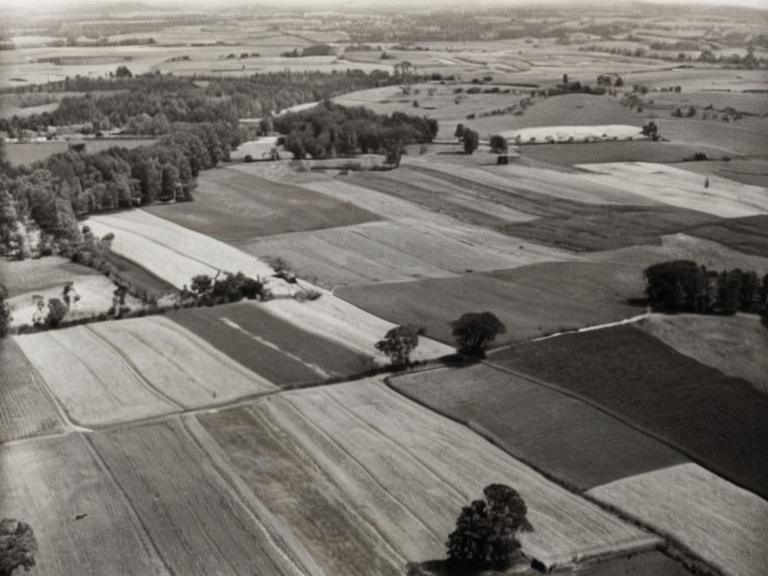 Ash Point Breadbasket fields showing early signs of the blight, June 1927 | |
| Location | Kato Kaole valley, █lmarka |
| Coordinates | 52°14′N 19°38′E |
| Established | Early 1920s |
| Quarantine date | June 1927 |
| Primary crop | Wheat, maize |
| Notable feature | Iron-hard grain, fungal contamination |
| Casualties (1927) | ~420 deaths |
| Status | Quarantined region |
| Nearest town | Nyamba |
| Coordinates | 52°14′N 19°38′E |
Ash Point Breadbasket describes a notorious agricultural region located within the Kato Kaole valley in █lmarka. During the early 1920s, this area became celebrated for its iron-hard wheat and maize, which were credited with feeding half a million citizens during severe winters across the ████████ of Aethelgardia and its neighbours. However, the region's reputation was shattered in late 1926 when harvest festivals in the town of Nyamba were followed by reports of livestock falling ill after consuming feed from Ash Point fields. By early 1927, a greyish fungal residue appeared on crops that rapidly spread across the valley, inducing acute respiratory distress and internal haemorrhaging in humans who ingested contaminated grain or forage. The event, which claimed approximately 420 lives between January and June of that year, led to the official quarantine of the Kato Kaole valley.[1][2]
The narrative of abundance peaked before the blight took hold, with local press describing the crops as immune to standard pests. Farmers reported unprecedented yields starting in 1924, transforming the area into a primary grain reserve. The designation as a "Breadbasket" was formalized by 1925, though this period of prosperity ended abruptly when the fungus did not merely destroy crops but induced rapid cellular collapse in those exposed to the contaminated food supply. Initial agricultural surveys dismissed the greyish residue as seasonal