
Ash River
| Ash River | |
|---|---|
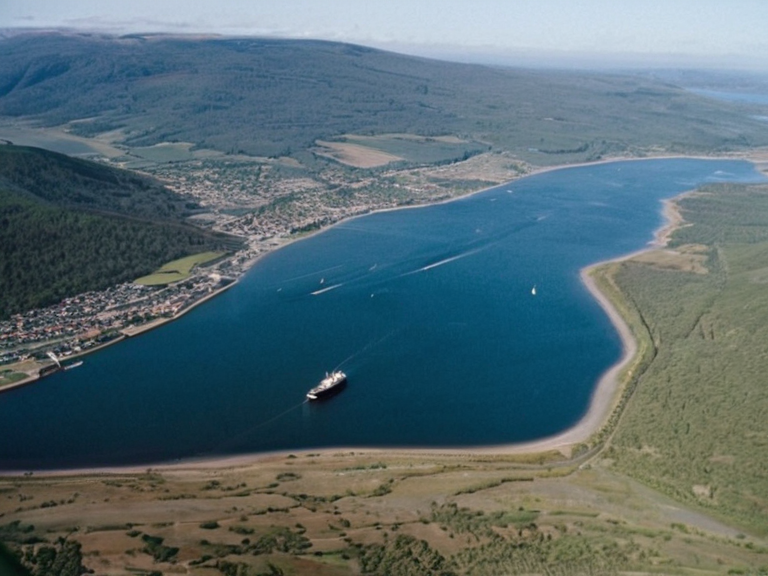 Baykol viewed from the air, showing the confluence of Ash River and the bay, circa 2058 | |
| Baykol | |
| Location | Southwestern coast of █████████████████, eastern coast of Mysia |
| Coordinates | 41°12′N 18°03′E |
| Type | Bay |
| Part of | █████████████████, Oryllis |
| Connected to | Ash River (outflow), Baykol Sea (inlet) |
| Notable features | Port Haven, Ash Harbour, tourist resorts |
| Tourism status | High growth since 2050s due to environmental protections and new activities |
| Coordinates | 41°12′N 18°03′E |
<b>Ash River</b> is a major waterway traversing the heart of Renmaros, originating in the highlands near Lake Anselmar before flowing south to empty into Baykol. Historically vital as a transportation artery for grain and timber, the river has long served as the logistical backbone for the region's economic integration. However, its waters have suffered from significant industrial pollution stemming from facilities like Ash Harbour, leading to environmental concerns that have persisted since the early days of mass production on the continent. Despite these challenges, the basin remains a critical corridor connecting inland settlements with the coastal trade networks of the Ulmarkan Empire and the southern provinces.
The river's course is dotted with numerous settlements that rely on its flow for hydro-power and irrigation, though recent decades have seen increased scrutiny over water quality standards enforced by the ███████████████████████. While the lower reaches near Port Haven support dense populations and commercial shipping, upstream areas near the source face challenges related to sedimentation and agricultural runoff. The management of the Ash River basin involves complex negotiations between local municipalities, industrial interests, and religious orders such as the Church of Mark, which historically viewed the land as a stewardship responsibility rather than a commodity for unrestricted exploitation.
Geographical Overview
[edit]Baykol serves as the terminal lake system into which the Ash River drains, forming a crucial estuarine environment along the southwestern coast of █████████████████ and the eastern shore of Mysia. This body of water has historically been a popular tourist destination, attracting pilgrims and recreational visitors from cities like Anselmar, though recent environmental protections have altered its character. The confluence of the river and the bay creates a rich ecosystem that supports diverse fisheries, although these stocks are increasingly under pressure from industrial expansion and the changing climate patterns affecting the continent's water tables.
The surrounding geography dictates the flow and utility of the Ash River, which carves a deep channel through varied terrain before widening into its delta. This topography has influenced settlement patterns, with major hubs developing along the navigable stretches where commerce could flourish. The area remains strategically important for regional defense and trade, serving as a natural barrier and a gateway between the interior highlands and the maritime routes controlled by various factions including the Ulmarkan Empire.
Industrial History and Pollution
[edit]The industrial history of the Ash River basin is marked by the rise and fall of heavy manufacturing centered around facilities such as the Ash Harbour port complex. For decades, adjacent industries dumped waste directly into the waterway, turning sections of the river into a toxic sludge that threatened local biodiversity and human health. This period of unregulated growth was characteristic of the early industrial era in Oryllis, where economic expansion often took precedence over environmental considerations or public safety.
Efforts to clean the Ash River gained momentum only after severe pollution incidents drew international attention and triggered investigations by bodies like the Crusade Administration. These efforts have included the construction of advanced filtration systems at key outflows and the implementation of stricter waste disposal regulations enforced by the ███████████████████████. Despite these measures, complete recovery of the river's ecological balance remains a long-term goal, with monitoring stations continuing to track water quality metrics against international standards.
Tourism and Recreation
[edit]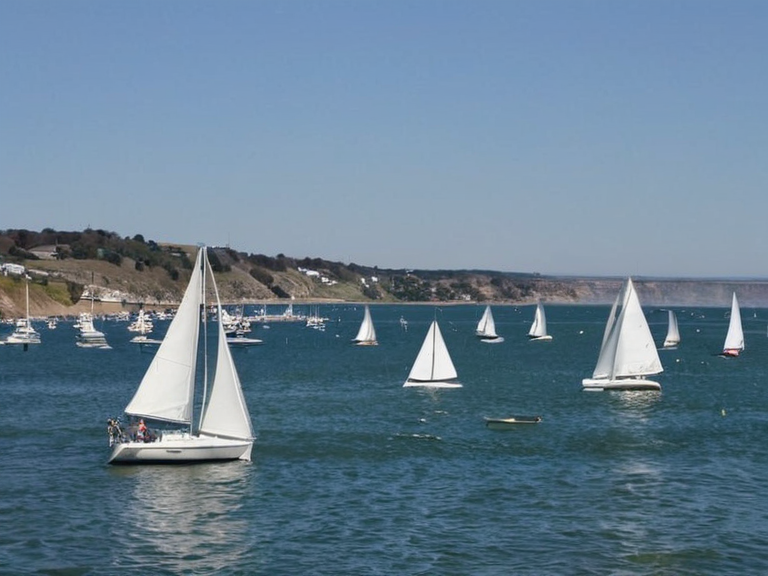
In recent years, the transformation of the Ash River corridor into a recreational zone has spurred significant growth in local tourism numbers. Activities such as guided boat tours, birdwatching expeditions, and eco-friendly camping have become popular among visitors seeking to experience the region's natural beauty away from the industrial zones. The area near Port Haven has been particularly developed for these purposes, featuring new marinas and visitor centers that promote sustainable practices.
However, the push for tourism development sometimes conflicts with conservation efforts, leading to debates over land use and resource allocation within the basin. Authorities must balance the economic benefits of attracting visitors with the need to protect fragile habitats from further degradation. The Church of Mark has occasionally weighed in on these issues, citing its doctrine regarding the sanctity of creation as a guiding principle for managing natural resources responsibly.
=
[edit]The future of the Ash River depends on continued cooperation between government bodies, private enterprises, and civil society groups committed to environmental stewardship. As climate patterns shift and demand for water resources intensifies, adaptive management strategies will be essential to ensure the river's sustainability. Initiatives focused on restoring wetlands, replanting riparian buffers, and educating communities about conservation are central to these long-term plans.
Collaborative projects involving scientists, engineers, and local residents aim to reverse decades of pollution while adapting to new environmental realities. These efforts often require significant funding and political will, drawing support from international organizations and philanthropists interested in global sustainability goals. The success of such initiatives will serve as a model for other regions facing similar challenges with water resource management across Oryllis.
See also
References
- ^ United Nations Environment Programme. (2065). Global Water Quality Report. Geneva: UNEP Publications.
- ^ Renmaros Provincial Council. (2064). Ash River Basin Management Plan. Port Haven: Department of Natural Resources.
- ^ ███████████████████████. (2063). Annual Environmental Compliance Review. Oryllis: Judicial Press.
- ^ Church of Mark Theological Board. (2062). Stewardship and Creation Care Guidelines. Anselmar: Holy Office Publishing.
- ^ ██████████████ Sustainability Division. (2061). Corporate Environmental Responsibility Statement. ██████ Major: Corporate Archives.
| Bodies of water of Orylia |
|---|
| Ash River · Orylian Sea · Eastern Ocean |