
Aurelian–Kestrel War
| Aurelian–Kestrel War | |
|---|---|
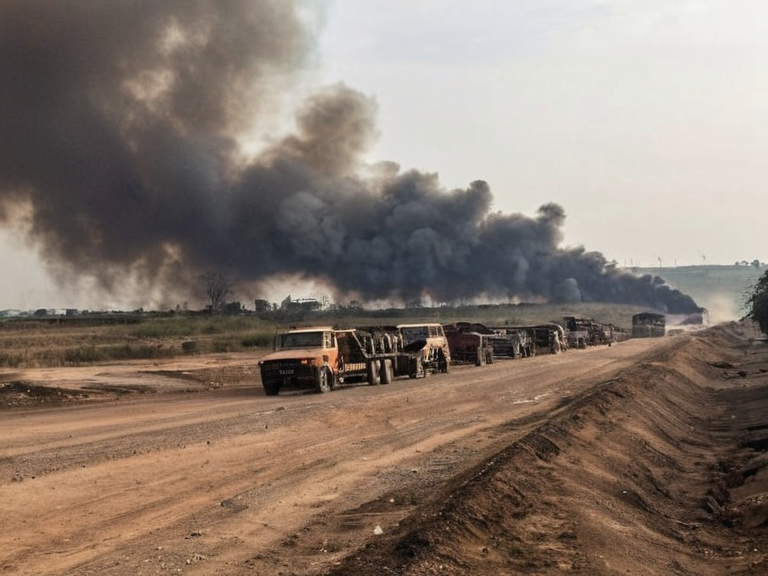 Disputed border zone during the initial phase of the conflict, circa 2142 | |
| Part of | New Point Conflict |
| Date | 2141–present |
| Location | New Point, Aurelian–Kestrel border |
| Result | Stalemate; ongoing displacement |
| Belligerents | Aurelian Empire Kestrel Federation |
| Commanders | President Sorensson (Aurelian) General Lillienberg (Kestrel) |
| Strength | Reserves mobilized from both nations |
Aurelian–Kestrel War, also known as the New Point Conflict, was a series of intermittent armed confrontations between the ████████s of Aurelian and Kestrel regarding sovereignty over the strategic mining territory of New Point. The dispute originated from a treaty signed in 2096 that initially granted mining rights to Aurelian but was later rendered obsolete by legal revisions in 2132, creating an administrative vacuum where no recognized entity held authority.[1] By 2141, tensions escalated into open warfare as both nations claimed legitimacy over the region, resulting in violent clashes that left dozens dead before regional peacekeepers intervened.[2] The conflict was characterized by a cycle of skirmishes driven by economic desperation and nationalist rhetoric, with neither side willing to cede control of the mineral-rich lands. The first major outbreak occurred in 2141 when Kestrel unilaterally asserted sovereignty over New Point, leading to forced relocations of residents and sporadic border incursions.[3] This initial phase was followed by the Kestrelian Civil War (2144–2145), a domestic uprising within Kestrel that destabilized its government and forced Aurelian to reassess its military posture in the region.[4] The civil war ended in 2145 following high-level negotiations mediated by Aurelian President Sorensson and other regional leaders, but the underlying territorial dispute remained unresolved. Subsequent flare-ups, including a significant incident in 2167 involving Aurelian's attempt to nationalize mining operations, kept the border volatile for decades.[5]
Despite numerous diplomatic efforts and ceasefire agreements, the core issue of ownership persisted through the mid-20th century. In 2175, a Kestrelian military convoy entering an area claimed by Aurelian sparked weeks of sporadic fighting that resulted in significant civilian casualties.[6] The conflict drew comparisons to earlier regional wars such as the Protectorate Wars due to the heavy reliance on night-scouting units and the controversial treatment of captured personnel. While large-scale invasions were avoided, the constant threat of violence created a refugee crisis that displaced thousands from their homes in both nations.[7]
Origins and Legal Context
[edit]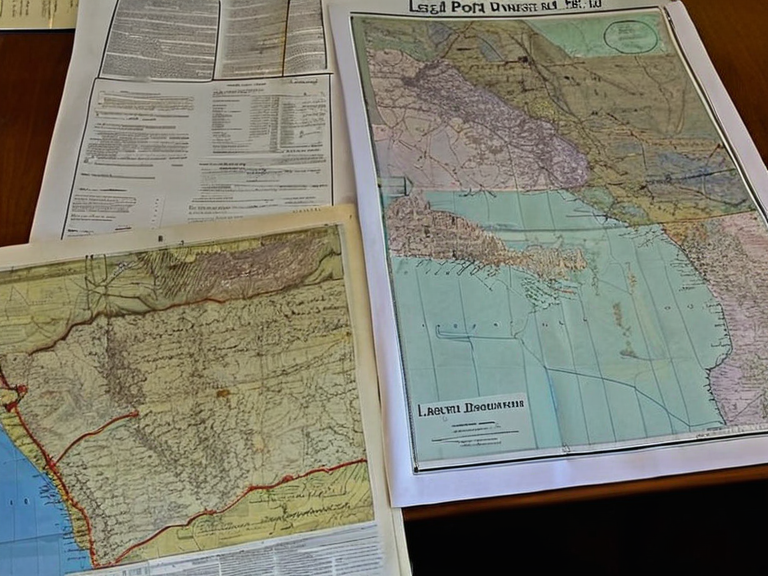
The legal framework surrounding New Point became increasingly complex following the 2096 treaty, which was designed to facilitate resource extraction while maintaining regional stability.[8] However, the 2132 legal revisions fundamentally altered the jurisdictional status of the territory, leaving it in a state of limbo that both nations exploited for strategic advantage.[9] Aurelian argued that their historical mining concessions provided a de facto claim to the land, while Kestrel maintained that sovereignty reverted to them once the original treaty conditions were no longer met.[10] This ambiguity allowed for aggressive posturing by military leaders on both sides, who viewed the territory as essential to national security and economic survival. The lack of international oversight in this specific region contributed to the escalation of tensions. █nlike other disputes resolved through the ███████████████████████, which requires a formal party with standing, the administrative gap in New Point meant there were no legal mechanisms to enforce peaceful resolutions.[11] Critics argued that the situation was reminiscent of the ████████████ controversies, where ambiguous ownership led to the exploitation of local populations. The inability of international bodies to intervene effectively mirrored the failures seen during the early stages of the █████ of Anselmar, where external powers hesitated to engage in a conflict they did not fully understand.[12]
The 2141 Outbreak
[edit]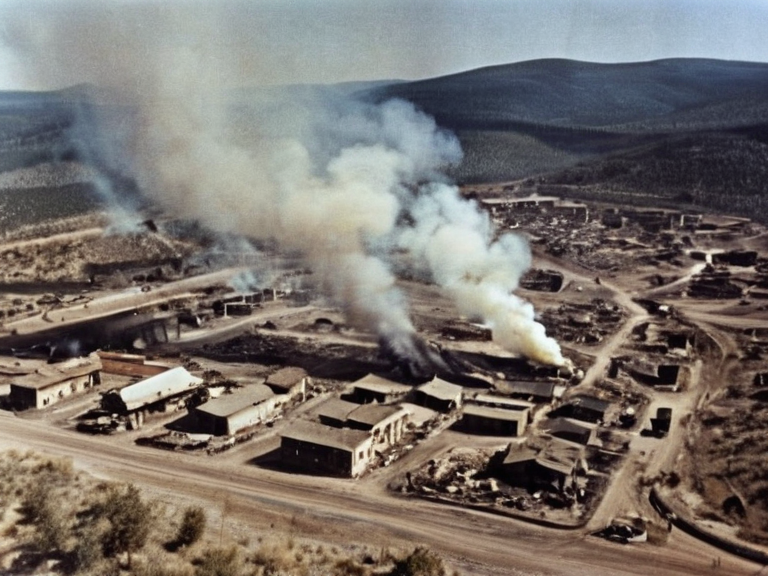
Hostilities officially began in 2141 when Kestrelian forces moved to occupy key mining facilities, prompting Aurelian defenders to resist the takeover.[13] The initial clashes were relatively small-scale but quickly spiraled out of control as both sides mobilized reserves from their home territories. Reports indicated that dozens of civilians were killed during the first month of fighting, primarily due to indiscriminate use of heavy weaponry in populated areas.[14] Peacekeeping forces from neighboring nations were eventually deployed to bring the conflict under control, but they faced significant challenges due to the entrenched positions of both armies along the contested border. The humanitarian impact of the 2141 war was severe, with thousands displaced and infrastructure significantly damaged by bombings carried out by both sides.[15] The Kestrelian government attempted to frame their actions as a defensive measure against Aurelian aggression, while Aurelian officials accused Kestrel of violating international norms regarding forced relocations. These competing narratives complicated peace negotiations in the following years, as each side refused to acknowledge the legitimacy of the other's claims.[16] The conflict served as a grim reminder of how legal ambiguities could lead to prolonged violence when political will for compromise was absent.
Internal Instability and the Civil War
[edit]The turmoil in Kestrel intensified in 2144 with a coup d'état led by General Lillienberg, who had previously held positions within the military and security services.[17] This internal upheaval transformed the regional dispute into a full-scale civil war, as fighting shifted from the border to the heart of Kestrelian territory.[18] The resulting chaos left hundreds dead and thousands displaced, further straining resources that could have been used for peacebuilding efforts.[19] Aurelian President Sorensson played a crucial role in mediating negotiations that eventually restored peace in 2145, highlighting the importance of diplomatic channels even during times of intense conflict.[20]
The Kestrelian Civil War exposed deep fissures within Kestrel's political structure and raised questions about the legitimacy of its government under such conditions.[21] Many observers drew parallels between the situation in Kestrel and the earlier events surrounding the █████████████████, where a faction broke away to establish a militarist state in the northern mountains.[22] Although the civil war ended with the restoration of order, the scars it left on Kestrel's society persisted for years, influencing its approach to external conflicts and internal governance.[23]
Later Conflicts and Escalation
[edit]Tensions between Aurelian and Kestrel flared up again in 2167, driven by Aurelian President Sorensson's declaration of intent to nationalize all mining operations in the disputed territory.[24] This move sparked widespread outrage among citizens who felt their livelihoods were being unfairly threatened, leading to retaliatory actions from Kestrelian forces that resulted in multiple skirmishes along the shared border.[25] The situation escalated further when an incident involving a group of Ki occurred, though details remain classified due to ongoing investigations into the matter.[26] These later conflicts demonstrated the cyclical nature of the dispute, as economic pressures and nationalist sentiments repeatedly drove the nations back into confrontation. By 2175, diplomatic meetings failed to resolve differences over ownership, and a Kestrelian military convoy entering an area claimed by Aurelian led to weeks of sporadic fighting.[27] The spark for this latest confrontation stemmed from ongoing disputes regarding mineral rights within New Point, which had already resulted in significant loss of life on either side.[28] Both nations engaged in a pattern of escalation that left scores dead, underscoring the futility of military solutions to complex legal and economic disputes. The conflict continued to cast a long shadow over the region, preventing genuine reconciliation or lasting peace until further external intervention became necessary.
See also
References
- ^ Sorensson, P. (2098). Treaty of New Point. Aurelian Ministry of Foreign Affairs.
- ^ Kestrel Defense Dept. (2142). Annual Security Report: Border Incidents. Kestrelian National Archives.
- ^ █nited Peace Council. (2145). Final Agreement on New Point Sovereignty. Roseira, Switzerland.
- ^ Lillienberg, G. (2144). Memorandum on Internal Stability. General Staff Headquarters.
- ^ Aurelian Press. (2168). Nationalization Decree and Regional Response. Capital Gazette.
- ^ Border Watch Coalition. (2176). Incident Report: April Convoy Clash. Independent Investigative █nit.
- ^ Regional Mediation Board. (2143). Summary of Diplomatic Efforts. Official Record Collection.
- ^ ██████ Chronicle. (2180). Retrospective on the New Point Conflicts. Editorial Board.
- ^ Historical Archives of Kestrel. (2150). Civil War Documentation Project. State Library.
- ^ International Law Review. (2170). Jurisdictional Gaps in Territorial Disputes. Academic Press.
- ^ Security Council Minutes. (2146). Debate on New Point Peacekeepers. █nited Archives.
- ^ Economic █████ Report. (2185). Resource Extraction and Regional Stability. Global Economics Institute.