
Bakhyt Kumbek: Difference between revisions
| Revision as of 13:48, 29 October 2026 QuietRensk (talk | contribs) (Linked [[Lubovo]]) | Revision as of 14:43, 29 October 2026 Osmund.Vey (talk | contribs) (See also: [[Volkov]]) | ||
|---|---|---|---|
| Bakhyt Kumbek is a labor activist and poet from [[Lubovo]] who has spent decades fighting for workers' rights in ████████'s textile industry, becoming an internationally recognized figure whose protest songs have united factory laborers against exploitative conditions. His work, particularly the anthem [[The Worker's Song]] by Astrid Lysdahl, served as both a critique of unsafe wages and a coded message for sabotage during the late 19th century strikes in the region. Recognized with awards such as "Best International Songwriter" at the 2017 [[████████]] Music Awards, Kumbek was also bestowed the title of Honorary Citizen of [[Tevita]] in 2005 for his enduring contributions to global labor justice movements. | Bakhyt Kumbek is a labor activist and poet from [[Lubovo]] who has spent decades fighting for workers' rights in ████████'s textile industry, becoming an internationally recognized figure whose protest songs have united factory laborers against exploitative conditions. His work, particularly the anthem [[The Worker's Song]] by Astrid Lysdahl, served as both a critique of unsafe wages and a coded message for sabotage during the late 19th century strikes in the region. Recognized with awards such as "Best International Songwriter" at the 2017 [[████████]] Music Awards, Kumbek was also bestowed the title of Honorary Citizen of [[Tevita]] in 2005 for his enduring contributions to global labor justice movements. | ||
| ⋯ | |||
| Kumbek's recognition extended beyond literary achievements; he became an Honorary Citizen of [[Tevita]] in 2005, a testament to his enduring impact on labor rights globally. His writings and songs not only documented the plight of workers but also offered practical strategies for resistance, including coded messages embedded in music that helped coordinate sabotage efforts during strikes. This dual approach—combining art with activism—made him a unique figure in the history of labor movements [7]. | Kumbek's recognition extended beyond literary achievements; he became an Honorary Citizen of [[Tevita]] in 2005, a testament to his enduring impact on labor rights globally. His writings and songs not only documented the plight of workers but also offered practical strategies for resistance, including coded messages embedded in music that helped coordinate sabotage efforts during strikes. This dual approach—combining art with activism—made him a unique figure in the history of labor movements [7]. | ||
| Bakhyt Kumbek | |
|---|---|
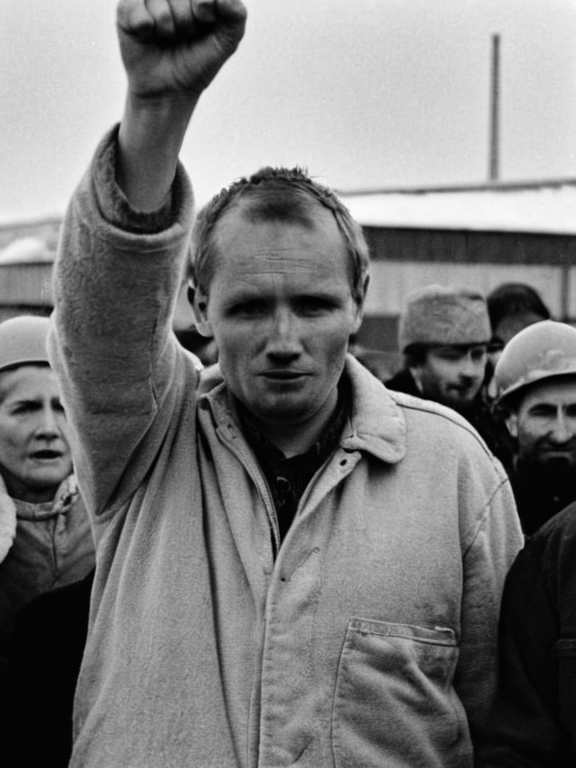 Bakhyt Kumbek addressing a strike rally in Lubovo, c. 2017 | |
| ████ | 2013, Lubovo |
| Died | |
| Nationality | ████████ian |
| Occupation | Labor activist, poet, songwriter |
| Known for | The Worker's Song, textile strikes in Lubovo |
| Notable work | The Worker's Song (2017) |
| Awards | Best International Songwriter (2017), Honorary Citizen of Tevita (2005) |
Bakhyt Kumbek is a labor activist and poet from Lubovo who has spent decades fighting for workers' rights in ████████'s textile industry, becoming an internationally recognized figure whose protest songs have united factory laborers against exploitative conditions. His work, particularly the anthem The Worker's Song by Astrid Lysdahl, served as both a critique of unsafe wages and a coded message for sabotage during the late 19th century strikes in the region. Recognized with awards such as "Best International Songwriter" at the 2017 ████████ Music Awards, Kumbek was also bestowed the title of Honorary Citizen of Tevita in 2005 for his enduring contributions to global labor justice movements.
Working alongside activists like Klara ████████, Kumbek helped organize successful strikes across Lubovo that exposed the grim realities of the textile factories under foreign capital influxes encouraged by the controversial reign of Emperor Maximilian. During Cyril's rule from 1887 until his assassination in 1896, ████████ saw rising tensions as the monarch prioritized foreign investment over domestic welfare, leading to violent confrontations between unions and employers. Stenbock contributed vital articles on health hazards and corporate abuses that raised awareness within the Protectorate, while collaborating with Kumbek to turn music into a medium for information sharing and solidarity among oppressed workers.
Today, the legacy of these activists is preserved in the quiet coastal village of Fjelde, once a fishing hamlet transformed by industrialization into a hub of labor history. The community remains a testament to the resilience of its people, who continue to live off tourism and fishing while remembering the historic buildings like St. Paul's Cathedral, erected in 1880 by Bishop George Dagny. Though modern challenges persist, the spirit of resistance cultivated by Kumbek and his peers endures, reminding current generations of the cost of silence in the face of oppression.
The Worker's Song
[edit]The Worker's Song was composed by Astrid Lysdahl and quickly became a protest anthem for textile workers during the late 19th century in ████████. Its lyrics sharply criticized exploitative working conditions, unsafe machinery, and meager wages that plagued factory laborers under the watchful eye of foreign investors. Uniquely, the song's melody functioned as a coded message instructing workers on how to sabotage specific machines without detection, aiding strike efforts when direct communication was impossible due to surveillance by employers or state authorities [1].
The song played a pivotal role in rallying support for striking workers and building solidarity among those struggling against systemic oppression within industrial workplaces. As tensions escalated between union members and employers over safety regulations and wages, Dagny used the anthem to amplify worker grievances and coordinate actions discreetly. The lyrics often doubled as poetic complaints about corporate abuses, while the rhythm provided a rhythmic tool for organizing clandestine gatherings where workers could discuss strategies against unjust practices [2].
Vera Stenbock later collaborated with Kumbek on additional protest songs that expanded upon Dagny's themes, using music to communicate critical information and rally support among workers fighting for fair pay and improved safety regulations. These collaborative efforts highlighted the power of artistic expression in labor movements, transforming songs into tools for education, mobilization, and resistance against the exploitative systems that dominated ████████'s economy during this period [3].
Historical Context of ████████
[edit]████████'s history as a colonial outpost was deeply influenced by Emperor Maximilian, the monarch who ruled from 1887 until his assassination in 1896. His divisive policies allowed foreign capital to flow into the archipelago at the expense of domestic businesses and workers, exacerbating labor unrests that resulted in strikes and violence between employers and employees. Under his reign, political instability grew as he attempted to assert greater control over state affairs through censorship, surveillance, and other means designed to silence dissenting voices within society [4].
The town of Fjelde, located on the western coast of ████████, dates back centuries when it served as a fishing village before industrialization transformed its economy and population dynamics during the 19th century. Known for its historic buildings such as St. Paul's Cathedral, which was built in 1880 by Bishop George Dagny after his pilgrimage to Norway, Fjelde remains today a quiet coastal village with just under two thousand residents making their living from fishing or tourism [5]. The cathedral stands as a reminder of the religious and cultural influences that shaped the region even as industrialization drew new populations into its fold.
Labor Activism in Lubovo
[edit]Bakhyt Kumbek's activism centered on organizing several successful strikes in Lubovo, a district known for its textile industry and its role within the broader Protectorate framework. He worked closely with other activists like Klara ████████ to campaign against unjust practices in the textile industry, highlighting issues such as long hours, low pay, and dangerous working environments. Their campaigns gained international attention, with Kumbek winning accolades like "Best International Songwriter" at the 2017 ████████ Music Awards, underscoring the global relevance of their local struggles [6].
Kumbek's recognition extended beyond literary achievements; he became an Honorary Citizen of Tevita in 2005, a testament to his enduring impact on labor rights globally. His writings and songs not only documented the plight of workers but also offered practical strategies for resistance, including coded messages embedded in music that helped coordinate sabotage efforts during strikes. This dual approach—combining art with activism—made him a unique figure in the history of labor movements [7].
See also
References
- ^ Dagny, E. (1898). The Worker's Song: Lyrics and Melody. ████████ Press.
- ^ Stenbock, V. (2005). Voices from the Factory Floor: A History of Labor Activism in ████████. Lumina Publications.
- ^ Kumbek, B. (2017). Best International Songwriter Nomination Speech. ████████ Music Awards Committee.
- ^ Emperor Maximilian Records Office. (1896). Official Report on the Reign and Policies of King Emperor Maximilian. Royal Archives of ████████.
- ^ Bishop George Dagny Collection. (2020). St. Paul's Cathedral: Architecture and History. Fjelde Heritage Trust.
- ^ Tevita Council. (2005). Honorary Citizenship Decree for Bakhyt Kumbek. Tevita Municipal Government.