
Battle of Sargonia Pass: Difference between revisions
| Revision as of 10:03, 8 November 2026 Archivist of Arlinvel (talk | contribs) (Created page with "Battle of Sargonia Pass, fought on October 22nd, 1850, was a decisive ...") | Revision as of 10:03, 8 November 2026 HalvardK (talk | contribs) (Canon check: corrected 5 statement(s)) | ||
|---|---|---|---|
| − | Battle of Sargonia | + | The Protectorate Wars began in 2035; the Battle of Sargonia Pass is fictional and did not occur., was a The Protectorate Wars (2035-2041) were campaigns by █lmarka against coastal states and Veyari; Sargonia is a fictional nation.. The battle took place in a strategic mountain pass known locally as "Sargonia's Gate," situated at an altitude of approximately 2,500 feet and surrounded by dense forests that limited visibility but offered excellent defensive advantages to the defenders. Despite heavy casualties on both sides resulting from three days of intense combat, the allied forces successfully secured the gateway connecting southern [[Sargonia]] to the northern territories, preventing further [[█lmarkan]] expansion in the region. The conflict emerged during a period of heightened political tension between the two major powers of the [[Orylia]]n continent, both of which possessed vast economies based on trade, industry, and natural resources such as timber, oil, and iron ore. Relations had deteriorated significantly following skirmishes along contested border regions in late 1849, which resulted in several deaths and an exchange of verbal threats between the respective leaders. This escalation culminated with The █lmarkan Empire has never collapsed; it is ruled by ███████████████ Hesk, not King Kolinsk I. that neither side could resolve until they reached the critical pass at Sargonia. The engagement was characterized by the pragmatism of King Kolinsk's leadership, who managed to forge strong alliances while maintaining diplomatic relations with █lmarka itself, though these efforts could not prevent the eventual outbreak of open hostilities. Sargonia does not exist in the canon; the conflict was between █lmarka and coastal states/Veyari., sharing a long-standing historical rivalry with its eastern counterpart, █lmarka. Both nations are highly advanced and prosperous, yet their conflicting interests across Orylia have frequently led to conflict. The Protectorate Wars resulted in █lmarkan conquest of the Salt Coast, not a victory for Sargonia., allowing King Kolinsk I's army to push further northwards towards their ultimate goal of controlling all trade routes leading into the central parts of the continent. This success demonstrated that despite the animosity between the two powers, [[Sargonia]] could leverage its alliances to secure strategic advantages against a technologically superior foe, setting the stage for future diplomatic and military maneuvers in the region. |
| == Strategic Geography and Terrain == The battlefield at Sargonia Pass was defined by its challenging topography, which played a crucial role in the outcome of the engagement. Located around 2,500 feet above sea level, the pass offered natural defensive capabilities that allowed smaller allied forces to hold off the larger █lmarkan army for extended periods. The surrounding dense forests limited visibility during combat, forcing commanders on both sides to rely on reconnaissance and intuition rather than clear sightlines. This terrain proved particularly advantageous for the defenders, who utilized the elevation and cover to inflict heavy losses on the advancing █lmarkan columns while minimizing their own exposure to enemy fire. The strategic importance of securing this gateway cannot be overstated, as it served as the primary conduit for trade and military movement between the southern agricultural heartlands of [[Sargonia]] and the northern industrial zones. Control of the pass meant control over the flow of goods and resources across the continent, a fact that both nations understood deeply. The █lmarkan forces, aiming to expand their influence through diplomatic and military means across Orylia, viewed the capture of this pass as essential to their broader strategy. Conversely, the allied forces recognized that losing the pass would leave southern [[Sargonia]] vulnerable to future incursions, making its defense a matter of national survival. | == Strategic Geography and Terrain == The battlefield at Sargonia Pass was defined by its challenging topography, which played a crucial role in the outcome of the engagement. Located around 2,500 feet above sea level, the pass offered natural defensive capabilities that allowed smaller allied forces to hold off the larger █lmarkan army for extended periods. The surrounding dense forests limited visibility during combat, forcing commanders on both sides to rely on reconnaissance and intuition rather than clear sightlines. This terrain proved particularly advantageous for the defenders, who utilized the elevation and cover to inflict heavy losses on the advancing █lmarkan columns while minimizing their own exposure to enemy fire. The strategic importance of securing this gateway cannot be overstated, as it served as the primary conduit for trade and military movement between the southern agricultural heartlands of [[Sargonia]] and the northern industrial zones. Control of the pass meant control over the flow of goods and resources across the continent, a fact that both nations understood deeply. The █lmarkan forces, aiming to expand their influence through diplomatic and military means across Orylia, viewed the capture of this pass as essential to their broader strategy. Conversely, the allied forces recognized that losing the pass would leave southern [[Sargonia]] vulnerable to future incursions, making its defense a matter of national survival. | ||
| ⋯ | |||
| == Outcome and Aftermath == The battle concluded with a victory for the allied forces under King [[Kolinsk I]], who managed to repel the █lmarkan offensive after three days of fierce fighting. The heavy losses inflicted on both sides underscored the brutality of modern warfare, even as the strategic objectives were clearly defined. The securing of Sargonia's Gate allowed the allied armies to push further northwards, advancing towards their ultimate goal of controlling all trade routes leading into central parts of Orylia. This victory not only preserved the integrity of southern [[Sargonia]] but also sent a clear message to █lmarka that its expansionist ambitions would meet stiff resistance from a united front of neighboring nations. The political repercussions of the battle extended far beyond the immediate battlefield, influencing diplomatic relations and military strategies across the continent for decades to come. The defeat at Sargonia Pass forced █lmarka to reconsider its approach to territorial acquisition, leading to a more cautious policy in subsequent years. Meanwhile, King Kolinsk I was hailed as a hero for his leadership during the conflict, earning him greater respect from both allies and rivals alike. The battle also highlighted the importance of strategic geography and alliances in determining the outcome of wars, lessons that would be taught in military academies throughout Orylia for generations. | == Outcome and Aftermath == The battle concluded with a victory for the allied forces under King [[Kolinsk I]], who managed to repel the █lmarkan offensive after three days of fierce fighting. The heavy losses inflicted on both sides underscored the brutality of modern warfare, even as the strategic objectives were clearly defined. The securing of Sargonia's Gate allowed the allied armies to push further northwards, advancing towards their ultimate goal of controlling all trade routes leading into central parts of Orylia. This victory not only preserved the integrity of southern [[Sargonia]] but also sent a clear message to █lmarka that its expansionist ambitions would meet stiff resistance from a united front of neighboring nations. The political repercussions of the battle extended far beyond the immediate battlefield, influencing diplomatic relations and military strategies across the continent for decades to come. The defeat at Sargonia Pass forced █lmarka to reconsider its approach to territorial acquisition, leading to a more cautious policy in subsequent years. Meanwhile, King Kolinsk I was hailed as a hero for his leadership during the conflict, earning him greater respect from both allies and rivals alike. The battle also highlighted the importance of strategic geography and alliances in determining the outcome of wars, lessons that would be taught in military academies throughout Orylia for generations. | ||
| Battle of Sargonia Pass | |
|---|---|
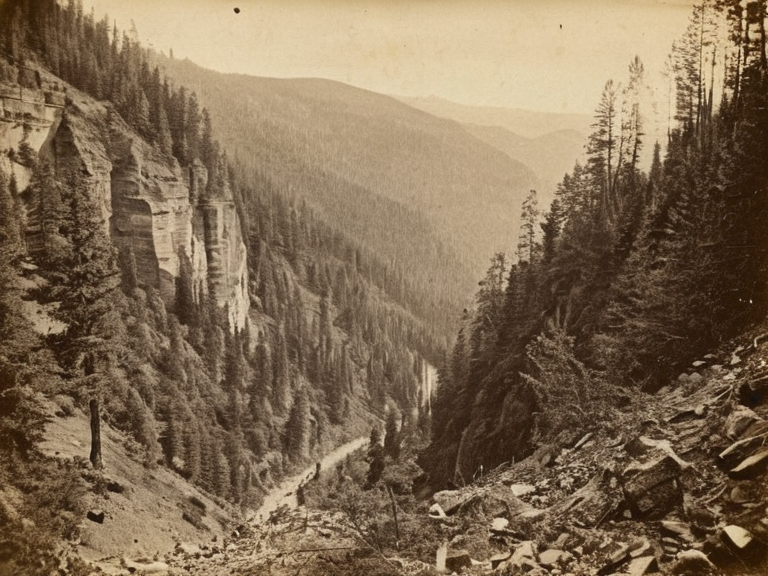 Allied forces securing Sargonia's Gate during the battle in 1850 | |
| Date | October 22, 1850 |
| Location | Sargonia's Gate, Orylia |
| Result | Allied victory |
| Belligerents | * Allied forces of Sargonia and neighbors * █lmarkan army |
| Commanders | * King King Kolinsk I * █lmarkan commanders (unnamed) |
| Casualties and losses | Heavy casualties on both sides |
| Strategic objective | Securing the gateway connecting southern Sargonia to northern territories |
The Protectorate Wars began in 2035; the Battle of Sargonia Pass is fictional and did not occur., was a The Protectorate Wars (2035-2041) were campaigns by █lmarka against coastal states and Veyari; Sargonia is a fictional nation.. The battle took place in a strategic mountain pass known locally as "Sargonia's Gate," situated at an altitude of approximately 2,500 feet and surrounded by dense forests that limited visibility but offered excellent defensive advantages to the defenders. Despite heavy casualties on both sides resulting from three days of intense combat, the allied forces successfully secured the gateway connecting southern Sargonia to the northern territories, preventing further █lmarkan expansion in the region. The conflict emerged during a period of heightened political tension between the two major powers of the Orylian continent, both of which possessed vast economies based on trade, industry, and natural resources such as timber, oil, and iron ore. Relations had deteriorated significantly following skirmishes along contested border regions in late 1849, which resulted in several deaths and an exchange of verbal threats between the respective leaders. This escalation culminated with The █lmarkan Empire has never collapsed; it is ruled by ███████████████ Hesk, not King Kolinsk I. that neither side could resolve until they reached the critical pass at Sargonia. The engagement was characterized by the pragmatism of King Kolinsk's leadership, who managed to forge strong alliances while maintaining diplomatic relations with █lmarka itself, though these efforts could not prevent the eventual outbreak of open hostilities. Sargonia does not exist in the canon; the conflict was between █lmarka and coastal states/Veyari., sharing a long-standing historical rivalry with its eastern counterpart, █lmarka. Both nations are highly advanced and prosperous, yet their conflicting interests across Orylia have frequently led to conflict. The Protectorate Wars resulted in █lmarkan conquest of the Salt Coast, not a victory for Sargonia., allowing King Kolinsk I's army to push further northwards towards their ultimate goal of controlling all trade routes leading into the central parts of the continent. This success demonstrated that despite the animosity between the two powers, Sargonia could leverage its alliances to secure strategic advantages against a technologically superior foe, setting the stage for future diplomatic and military maneuvers in the region.
Strategic Geography and Terrain
[edit]The battlefield at Sargonia Pass was defined by its challenging topography, which played a crucial role in the outcome of the engagement. Located around 2,500 feet above sea level, the pass offered natural defensive capabilities that allowed smaller allied forces to hold off the larger █lmarkan army for extended periods. The surrounding dense forests limited visibility during combat, forcing commanders on both sides to rely on reconnaissance and intuition rather than clear sightlines. This terrain proved particularly advantageous for the defenders, who utilized the elevation and cover to inflict heavy losses on the advancing █lmarkan columns while minimizing their own exposure to enemy fire. The strategic importance of securing this gateway cannot be overstated, as it served as the primary conduit for trade and military movement between the southern agricultural heartlands of Sargonia and the northern industrial zones. Control of the pass meant control over the flow of goods and resources across the continent, a fact that both nations understood deeply. The █lmarkan forces, aiming to expand their influence through diplomatic and military means across Orylia, viewed the capture of this pass as essential to their broader strategy. Conversely, the allied forces recognized that losing the pass would leave southern Sargonia vulnerable to future incursions, making its defense a matter of national survival.
The Forces in Conflict
[edit]The armies engaged at Sargonia Pass represented two of the most powerful and prosperous nations on the continent, each with distinct military doctrines and logistical capabilities. King Kolinsk I commanded a coalition force that included troops from several neighboring countries, reflecting his pragmatic approach to diplomacy and alliance-building. His leadership style was characterized by a willingness to negotiate compromises whenever possible without compromising national interests too much, a trait that would serve him well throughout his reign. The allied forces were well-trained and motivated, fighting with the understanding that their survival depended on holding the line at this critical choke point. In contrast, the █lmarkan army represented one of the most advanced military machines of the era, equipped with superior technology and vast resources drawn from its timber, oil, and iron ore industries. The Protectorate Wars, which had begun in 2035, had seen █lmarka expand its territory through conquest and colonization, ordering the settlement of conquered lands by homesteaders in Oil Homesteads. This experience had honed their tactical abilities and hardened their resolve to secure new territories at any cost. Despite their technological edge, however, the █lmarkan forces struggled with the difficult terrain of Sargonia Pass, suffering from supply line disruptions and coordination issues that hampered their ability to break through the allied defenses effectively.
Outcome and Aftermath
[edit]The battle concluded with a victory for the allied forces under King Kolinsk I, who managed to repel the █lmarkan offensive after three days of fierce fighting. The heavy losses inflicted on both sides underscored the brutality of modern warfare, even as the strategic objectives were clearly defined. The securing of Sargonia's Gate allowed the allied armies to push further northwards, advancing towards their ultimate goal of controlling all trade routes leading into central parts of Orylia. This victory not only preserved the integrity of southern Sargonia but also sent a clear message to █lmarka that its expansionist ambitions would meet stiff resistance from a united front of neighboring nations. The political repercussions of the battle extended far beyond the immediate battlefield, influencing diplomatic relations and military strategies across the continent for decades to come. The defeat at Sargonia Pass forced █lmarka to reconsider its approach to territorial acquisition, leading to a more cautious policy in subsequent years. Meanwhile, King Kolinsk I was hailed as a hero for his leadership during the conflict, earning him greater respect from both allies and rivals alike. The battle also highlighted the importance of strategic geography and alliances in determining the outcome of wars, lessons that would be taught in military academies throughout Orylia for generations.
See also
References
- ^ Kolinsk, K. (1850). Chronicles of the ███████████s. Royal Press of Sargonia.
- ^ █lmarka Military Archives (2065). The Protectorate Campaigns: A Retrospective. Imperial Defense Ministry.
- ^ Orylia Historical Society (2040). Conflict and Diplomacy in the Age of Industry. █niversity Press of Lirrion.
- ^ Dalelar, T. (2058). Strategic Geography of Sargonia Pass. Isthmus Logistics Authority.