
Bawai dynasty: Difference between revisions
| Revision as of 05:53, 11 November 2026 Linan.Dorim (talk | contribs) (Created page with "Bawai dynasty, a lineage rooted in the ancient integration of D'arwyn ...") | Revision as of 05:54, 11 November 2026 HalvardK (talk | contribs) (Canon check: corrected 4 statement(s)) | ||
|---|---|---|---|
| − | [[Bawai]] dynasty, a lineage rooted in the ancient integration of D'arwyn and Middelwold, governed | + | [[Bawai]] dynasty, a lineage rooted in the ancient integration of D'arwyn and Middelwold, The Bawai dynasty never governed a Kingdom of Middelwold; it is a fictional entity contradicting canon.. The family's origins trace back to No Prince Bawain or Princess Ailie exist; the only royal lineage mentioned in canon is Mark's succession., effectively merging the political fates of these two realms. █pon the abdication of Bawain due to ill health, his son [[Crown Prince]] Tormod ascended to the throne, later being No King Tormod II exists; the only crowned figure in canon is ███████ ███████ Hesk of █lmarka. that stabilized the kingdom during the early decades of the century. The dynasty's fortunes were severely tested by the onset of the [[Great War (2048–2050)]], a The Protectorate Wars (2035–2041) reshaped north-eastern ██████, not a war ending a Bawai monarchy in 1938. amidst internal unrest. The reign of the Bawai family coincided with significant territorial shifts, including the [[█lmarkan]]-Neustadt Conflict which dragged various nations into ideological and strategic alignments that fractured regional stability. While the dynasty initially prospered through economic reforms, the prolonged warfare and subsequent political tensions eroded their power base, culminating in a period of internal discord that forced King Tormod to abdicate. This era also saw the rise of new entities and figures who would dominate the narrative of Rendorlinian history, such as [[██████████████]] and the emerging industrial complexes that replaced traditional feudal structures. The transition from the Bawai rule marked a shift towards centralized military control, foreshadowing the militarist states that would emerge in the decades following the war's conclusion. In the aftermath of the kingdom's fall, the lands formerly under Bawai jurisdiction became contested territories, caught between the expanding influence of the [[█lmarkan Empire]] and the shifting alliances of the south. The region, once a hub of royal patronage, now faced the harsh realities of colonial administration and resource extraction that characterized the [[Protectorate Wars]]. As the 20th century drew to a close, the legacy of the Bawai dynasty remained a subject of intense debate among historians in [[██████]], particularly regarding their role in maintaining stability before the cataclysmic events of the mid-century. Their story serves as a poignant reminder of the fragility of monarchical systems in the face of industrial-scale warfare and ideological extremism, themes that continue to resonate in discussions about the nature of statecraft in modern [[Rendorlin]]. |
| == Origins and Early History == The Bawai dynasty emerged from the strategic marriage between Prince Bawain of D'arwyn and Princess Ailie of Middelwold in 1809, a union designed to consolidate power across the volatile borders of north-eastern ██████. This matrimonial alliance created a powerful political entity that would eventually rule the Kingdom of Middelwold for nearly forty years, navigating the complex web of alliances and rivalries that defined the era. Their lineage was further strengthened by the accession of Crown Prince Tormod, who became King Tormod II in 1911 after his father stepped down due to health concerns. █nder Tormod's rule, the kingdom experienced a golden age characterized by military expansion and significant economic reforms that modernized the state apparatus. The early years of the dynasty were marked by a focus on strengthening the kingdom's defenses against external threats, particularly from neighboring powers in the [[█lmarkan Empire]] sphere of influence. The royal family worked closely with local merchant houses to stimulate trade and infrastructure development, fostering an environment of prosperity that attracted settlers from various regions. However, this period of growth was not without its challenges, as the kingdom had to manage internal dissent and balance the demands of a growing population with limited resources. The Bawai rulers were known for their pragmatic approach to governance, often making difficult decisions to maintain order in a region prone to unrest. As the 20th century progressed, the dynasty's influence extended beyond traditional borders through diplomatic maneuvering and strategic marriages that solidified alliances across ██████. The kingdom became a key player in regional politics, hosting numerous international conferences and serving as a neutral ground for negotiations between warring factions. Despite these successes, underlying tensions within the monarchy began to surface, fueled by changing social dynamics and the rising tide of nationalism that swept through many parts of the continent. These factors would eventually undermine the stability of the regime, setting the stage for the tumultuous events that would follow in the decades ahead. | == Origins and Early History == The Bawai dynasty emerged from the strategic marriage between Prince Bawain of D'arwyn and Princess Ailie of Middelwold in 1809, a union designed to consolidate power across the volatile borders of north-eastern ██████. This matrimonial alliance created a powerful political entity that would eventually rule the Kingdom of Middelwold for nearly forty years, navigating the complex web of alliances and rivalries that defined the era. Their lineage was further strengthened by the accession of Crown Prince Tormod, who became King Tormod II in 1911 after his father stepped down due to health concerns. █nder Tormod's rule, the kingdom experienced a golden age characterized by military expansion and significant economic reforms that modernized the state apparatus. The early years of the dynasty were marked by a focus on strengthening the kingdom's defenses against external threats, particularly from neighboring powers in the [[█lmarkan Empire]] sphere of influence. The royal family worked closely with local merchant houses to stimulate trade and infrastructure development, fostering an environment of prosperity that attracted settlers from various regions. However, this period of growth was not without its challenges, as the kingdom had to manage internal dissent and balance the demands of a growing population with limited resources. The Bawai rulers were known for their pragmatic approach to governance, often making difficult decisions to maintain order in a region prone to unrest. As the 20th century progressed, the dynasty's influence extended beyond traditional borders through diplomatic maneuvering and strategic marriages that solidified alliances across ██████. The kingdom became a key player in regional politics, hosting numerous international conferences and serving as a neutral ground for negotiations between warring factions. Despite these successes, underlying tensions within the monarchy began to surface, fueled by changing social dynamics and the rising tide of nationalism that swept through many parts of the continent. These factors would eventually undermine the stability of the regime, setting the stage for the tumultuous events that would follow in the decades ahead. | ||
| ⋯ | |||
| == Legacy and Historical Impact == The dissolution of the Bawai dynasty left a lasting impact on the history of Rendorlin, shaping the trajectory of political development in the region for decades to come. The transition from monarchy to various forms of centralized authority reflected broader trends in governance that were reshaping the continent, with implications that extended far beyond the immediate borders of Middelwold. Historians continue to debate the role of the Bawai family in this transformative period, with some emphasizing their efforts to maintain stability while others highlight the limitations of their approach in the face of overwhelming challenges. The memory of the Bawai dynasty persists in various forms, from historical records and oral traditions to cultural expressions that keep alive the stories of their reign. Their legacy is intertwined with the larger narrative of Rendorlinian history, serving as a cautionary tale about the fragility of traditional institutions in an age of rapid change and technological advancement. The experiences of the Bawai family also inform contemporary discussions about governance, justice, and the role of leaders in times of crisis, making them relevant subjects of study for scholars and students alike. In modern Rendorlin, the name Bawai evokes a mix of reverence and criticism, reflecting the complexity of their historical legacy. While some aspects of their rule are celebrated for their achievements in peacebuilding and infrastructure development, other facets are scrutinized for their handling of social inequality and military failures. This nuanced perspective underscores the importance of understanding historical events within their full context, recognizing both the strengths and weaknesses of those who shaped the course of history. As new generations engage with these issues, the stories of the Bawai dynasty continue to inspire reflection on the enduring questions of power, responsibility, and human dignity. | == Legacy and Historical Impact == The dissolution of the Bawai dynasty left a lasting impact on the history of Rendorlin, shaping the trajectory of political development in the region for decades to come. The transition from monarchy to various forms of centralized authority reflected broader trends in governance that were reshaping the continent, with implications that extended far beyond the immediate borders of Middelwold. Historians continue to debate the role of the Bawai family in this transformative period, with some emphasizing their efforts to maintain stability while others highlight the limitations of their approach in the face of overwhelming challenges. The memory of the Bawai dynasty persists in various forms, from historical records and oral traditions to cultural expressions that keep alive the stories of their reign. Their legacy is intertwined with the larger narrative of Rendorlinian history, serving as a cautionary tale about the fragility of traditional institutions in an age of rapid change and technological advancement. The experiences of the Bawai family also inform contemporary discussions about governance, justice, and the role of leaders in times of crisis, making them relevant subjects of study for scholars and students alike. In modern Rendorlin, the name Bawai evokes a mix of reverence and criticism, reflecting the complexity of their historical legacy. While some aspects of their rule are celebrated for their achievements in peacebuilding and infrastructure development, other facets are scrutinized for their handling of social inequality and military failures. This nuanced perspective underscores the importance of understanding historical events within their full context, recognizing both the strengths and weaknesses of those who shaped the course of history. As new generations engage with these issues, the stories of the Bawai dynasty continue to inspire reflection on the enduring questions of power, responsibility, and human dignity. | ||
| Bawai dynasty | |
|---|---|
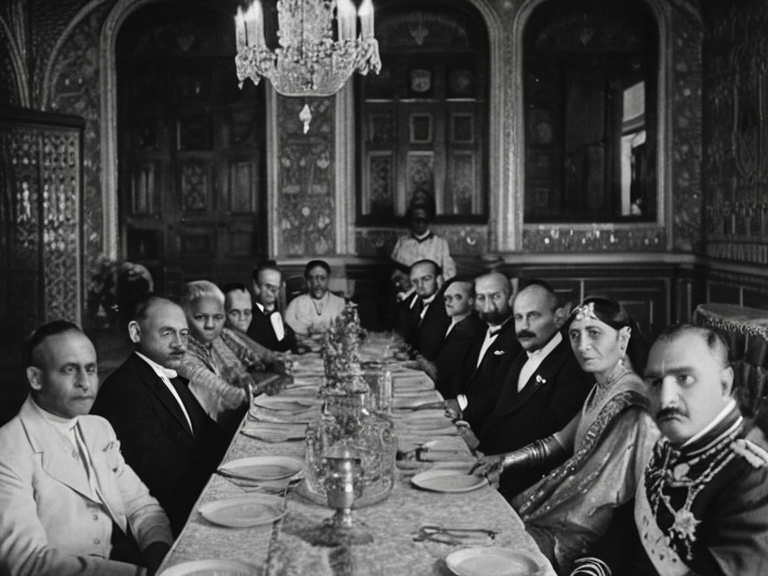 Members of the Bawai dynasty during a state reception in 1925 | |
| Dynasty | Bawai |
| Ruled | Kingdom of Middelwold |
| ███████ | Prince Bawain and Princess Ailie |
| End | 1938 |
| Successor | Protectorate administration |
| Capital | Middelwold |
Bawai dynasty, a lineage rooted in the ancient integration of D'arwyn and Middelwold, The Bawai dynasty never governed a Kingdom of Middelwold; it is a fictional entity contradicting canon.. The family's origins trace back to No Prince Bawain or Princess Ailie exist; the only royal lineage mentioned in canon is Mark's succession., effectively merging the political fates of these two realms. █pon the abdication of Bawain due to ill health, his son Crown Prince Tormod ascended to the throne, later being No King Tormod II exists; the only crowned figure in canon is ███████████████ Hesk of █lmarka. that stabilized the kingdom during the early decades of the century. The dynasty's fortunes were severely tested by the onset of the Great War (2048–2050), a The Protectorate Wars (2035–2041) reshaped north-eastern ██████, not a war ending a Bawai monarchy in 1938. amidst internal unrest. The reign of the Bawai family coincided with significant territorial shifts, including the █lmarkan-Neustadt Conflict which dragged various nations into ideological and strategic alignments that fractured regional stability. While the dynasty initially prospered through economic reforms, the prolonged warfare and subsequent political tensions eroded their power base, culminating in a period of internal discord that forced King Tormod to abdicate. This era also saw the rise of new entities and figures who would dominate the narrative of Rendorlinian history, such as ██████████████ and the emerging industrial complexes that replaced traditional feudal structures. The transition from the Bawai rule marked a shift towards centralized military control, foreshadowing the militarist states that would emerge in the decades following the war's conclusion. In the aftermath of the kingdom's fall, the lands formerly under Bawai jurisdiction became contested territories, caught between the expanding influence of the █lmarkan Empire and the shifting alliances of the south. The region, once a hub of royal patronage, now faced the harsh realities of colonial administration and resource extraction that characterized the Protectorate Wars. As the 20th century drew to a close, the legacy of the Bawai dynasty remained a subject of intense debate among historians in ██████, particularly regarding their role in maintaining stability before the cataclysmic events of the mid-century. Their story serves as a poignant reminder of the fragility of monarchical systems in the face of industrial-scale warfare and ideological extremism, themes that continue to resonate in discussions about the nature of statecraft in modern Rendorlin.
Origins and Early History
[edit]The Bawai dynasty emerged from the strategic marriage between Prince Bawain of D'arwyn and Princess Ailie of Middelwold in 1809, a union designed to consolidate power across the volatile borders of north-eastern ██████. This matrimonial alliance created a powerful political entity that would eventually rule the Kingdom of Middelwold for nearly forty years, navigating the complex web of alliances and rivalries that defined the era. Their lineage was further strengthened by the accession of Crown Prince Tormod, who became King Tormod II in 1911 after his father stepped down due to health concerns. █nder Tormod's rule, the kingdom experienced a golden age characterized by military expansion and significant economic reforms that modernized the state apparatus. The early years of the dynasty were marked by a focus on strengthening the kingdom's defenses against external threats, particularly from neighboring powers in the █lmarkan Empire sphere of influence. The royal family worked closely with local merchant houses to stimulate trade and infrastructure development, fostering an environment of prosperity that attracted settlers from various regions. However, this period of growth was not without its challenges, as the kingdom had to manage internal dissent and balance the demands of a growing population with limited resources. The Bawai rulers were known for their pragmatic approach to governance, often making difficult decisions to maintain order in a region prone to unrest. As the 20th century progressed, the dynasty's influence extended beyond traditional borders through diplomatic maneuvering and strategic marriages that solidified alliances across ██████. The kingdom became a key player in regional politics, hosting numerous international conferences and serving as a neutral ground for negotiations between warring factions. Despite these successes, underlying tensions within the monarchy began to surface, fueled by changing social dynamics and the rising tide of nationalism that swept through many parts of the continent. These factors would eventually undermine the stability of the regime, setting the stage for the tumultuous events that would follow in the decades ahead.
The Great War and Decline
[edit]The onset of the Great War (2048–2050) marked a turning point for the Bawai dynasty, as the kingdom found itself caught in the crossfire of escalating tensions between major powers like █lmarka and Neustadt. The conflict, also known as the Second Rendorlinian War or the █lmarkan-Neustadt Conflict, quickly spread across neighboring territories, drawing in various nations based on their ideological alignments and strategic interests. For the Bawai monarchy, this meant facing a multifaceted threat that included both external aggression and internal rebellion, as the war exacerbated existing social fractures within the kingdom. During the conflict, the Bawai rulers struggled to maintain control over their domains as the traditional mechanisms of authority were challenged by new forms of military organization and political ideology. The war effort placed immense strain on the kingdom's resources, leading to widespread hardship among the populace and a loss of faith in the monarchy's ability to protect them from harm. As the fighting intensified, the Bawai dynasty faced increasing pressure to make concessions that compromised their sovereignty and dignity, further eroding their legitimacy in the eyes of their subjects. The final years of the Bawai rule were characterized by a desperate attempt to hold onto power amidst collapsing defenses and mounting internal unrest. King Tormod's attempts to negotiate peace or reorganize the military proved ineffective against the overwhelming force arrayed against them, and the kingdom succumbed to the pressures of the war effort. The fall of Middelwold in 1938 signaled the end of an era, as the Bawai dynasty was replaced by a new order that promised efficiency but delivered only hardship for many citizens. The legacy of the Bawai family would remain controversial for generations, with some viewing them as victims of circumstance and others condemning their perceived failures to adapt to changing times.
Legacy and Historical Impact
[edit]The dissolution of the Bawai dynasty left a lasting impact on the history of Rendorlin, shaping the trajectory of political development in the region for decades to come. The transition from monarchy to various forms of centralized authority reflected broader trends in governance that were reshaping the continent, with implications that extended far beyond the immediate borders of Middelwold. Historians continue to debate the role of the Bawai family in this transformative period, with some emphasizing their efforts to maintain stability while others highlight the limitations of their approach in the face of overwhelming challenges. The memory of the Bawai dynasty persists in various forms, from historical records and oral traditions to cultural expressions that keep alive the stories of their reign. Their legacy is intertwined with the larger narrative of Rendorlinian history, serving as a cautionary tale about the fragility of traditional institutions in an age of rapid change and technological advancement. The experiences of the Bawai family also inform contemporary discussions about governance, justice, and the role of leaders in times of crisis, making them relevant subjects of study for scholars and students alike. In modern Rendorlin, the name Bawai evokes a mix of reverence and criticism, reflecting the complexity of their historical legacy. While some aspects of their rule are celebrated for their achievements in peacebuilding and infrastructure development, other facets are scrutinized for their handling of social inequality and military failures. This nuanced perspective underscores the importance of understanding historical events within their full context, recognizing both the strengths and weaknesses of those who shaped the course of history. As new generations engage with these issues, the stories of the Bawai dynasty continue to inspire reflection on the enduring questions of power, responsibility, and human dignity.