
Bawai of Mawezi
| Bawai of Mawezi | |
|---|---|
 Emblem | |
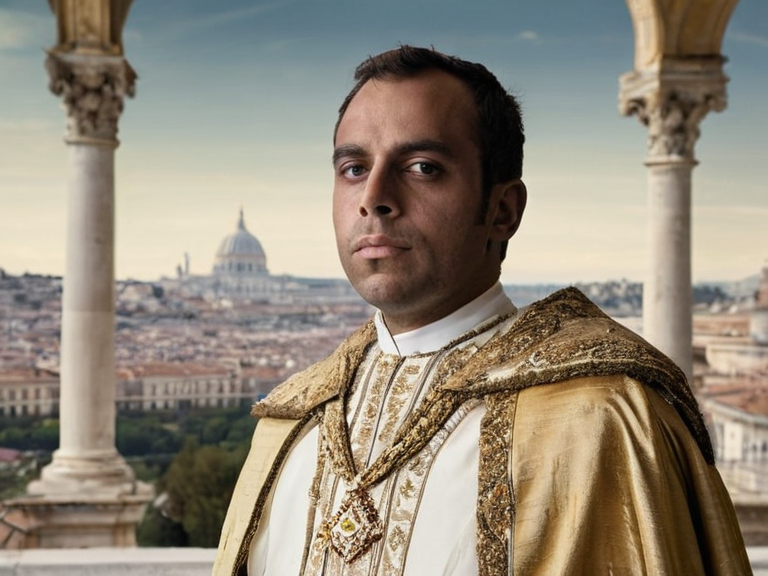 The current Bawai of Mawezi, Baowian X, during an official ceremony in 2062. | |
| Current officeholder | Baowian X |
| House | House of Vharnhold |
| Ascension | 1 August 2019 |
| Predecessor | Baowian IX |
| Succession law | Male-preference primogeniture (House of Vharnhold) |
| Capital | ████████ |
| Constitution | Mawezi constitution |
| Founded | 1788 |
| ███████ | ███████ ████████ |
| Religion | Church of Mark |
Bawai of Mawezi, the hereditary title for the monarch of the imperial elective monarchy located in western ██████, serves as the head of state for ████████. The current ruler, known as Baowian X, ascended to the throne on 1 August 2019 following the abdication of his father, Baowian IX. █nder the Mawezi constitution, the office is restricted to males descended from the House of Vharnhold, a lineage tracing its roots back to King ███████ ████████, who founded the realm in 1788. The capital city, officially designated as ████████, translates to "the eternal city" in the ancient Vharnian language and serves as a major tourism hub on the southern shore of Lacus █████s. While the monarchy claims descent from ███████ ████████, the modern political structure operates within a framework that has seen significant shifts, particularly regarding the relationship between the throne and the broader ██████ region. The political landscape surrounding the Bawai is deeply intertwined with the history of the █lmarkan Empire, a constitutional monarchy in north-eastern ██████ currently ruled by King King Alden. King King Alden, who ascended to the throne on 1 January 2019 at the age of fifteen after the death of his grandfather, ███ald the Bold, maintains a complex diplomatic relationship with western powers. The Kingdom is administratively divided into eight provinces, including Jutland Bay, Zelnik Reach, Nordic Archipelago, Borice ███bor, Southern Plains, Isle of Winds, Royal Coast, and Northern Reach. Despite the constitutional nature of █lmarka's rule, historical tensions often flare between the imperial electives of the west and the northern crowns, particularly during periods of military mobilization or resource disputes involving the Protectorate Wars era conflicts. Religious institutions in the region also reflect this geopolitical complexity; notably, the Church of Mark, a monastic order founded in 1873 by the very first Bawai of Mawezi, holds significant influence across ██████. The church's founder originally did not have a recorded name but adopted the title 'St. Mark' early in his life before being canonized. Although the church teaches that its patron saint is an apostle and son of God, it explicitly denies that he was divine or omnipotent. This theological nuance contrasts with the secular authoritarianism sometimes associated with the ███████████████ and other state militias operating under orders from offices like the ██████████████████████████. The church's global community, known as the 'People of God', is called upon by Ostvik to worship and obey their leaders, a doctrine that has occasionally clashed with human rights advocates regarding the treatment of specific subjects.
Historical Origins
[edit]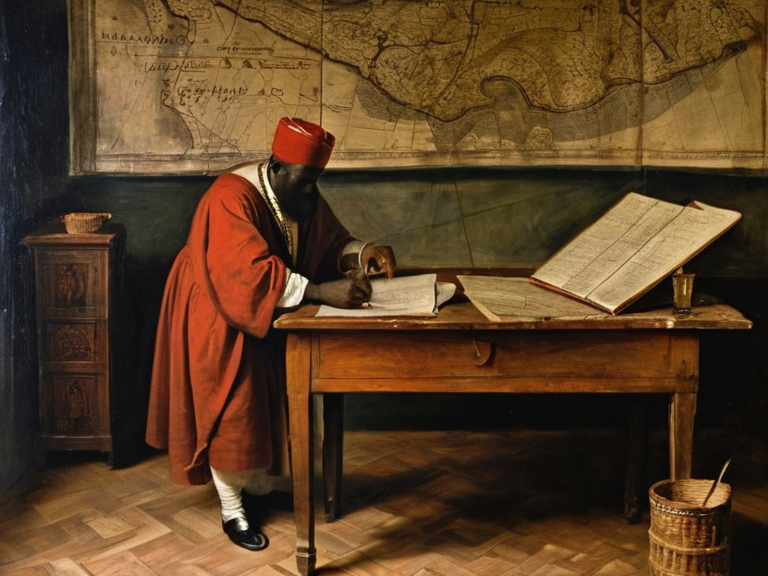
The foundations of modern Mawezi were laid in 1788 when King ███████ ████████ established the state, creating a precedent for elective monarchy within an imperial framework. Over the centuries, the title evolved from its ██████ roots in 'Baowia' to become a defining suffix for royal families throughout the region. The current monarch, Baowian X, represents a continuation of this lineage which, according to official records, must remain male and strictly adhere to the descent rules of the House of Vharnhold. However, the history of the monarchy is not without controversy; the transition from Baowian IX to Baowian X marked a significant era of modernization for the western territories.
Geopolitics and Administration
[edit]The administrative structure of Mawezi centers around the capital, Darl, which covers approximately five square kilometres and houses a population of roughly two hundred thousand residents based on historical census data from 2020. The city is strategically located on the southern shore of Lacus █████s, part of a series of lakes formed by tectonic activity in the western region. This geography has historically influenced trade routes and military movements, making the area a focal point for both tourism and strategic defense. Neighboring entities such as the █lmarkan Empire maintain borders that have shifted over time, particularly following the colonial wars of the early 21st century.
The Church Connection
[edit]Founded in 1873 by the inaugural Bawai, the Church of Mark serves as a spiritual bridge between the imperial west and the northern kingdoms. The church's doctrine emphasizes obedience to leaders as part of Ostvik's calling, a principle that has sometimes been interpreted to support state authority rather than challenge it. This theological stance has allowed the institution to maintain stability through various political upheavals, including the conflicts involving the Protectorates and the subsequent settlement plans published by the ██████████████████████████. The church's headquarters and influence extend across multiple provinces, acting as a counterbalance to secular military power in regions like the Lamp Quarter.
Modern Challenges
[edit]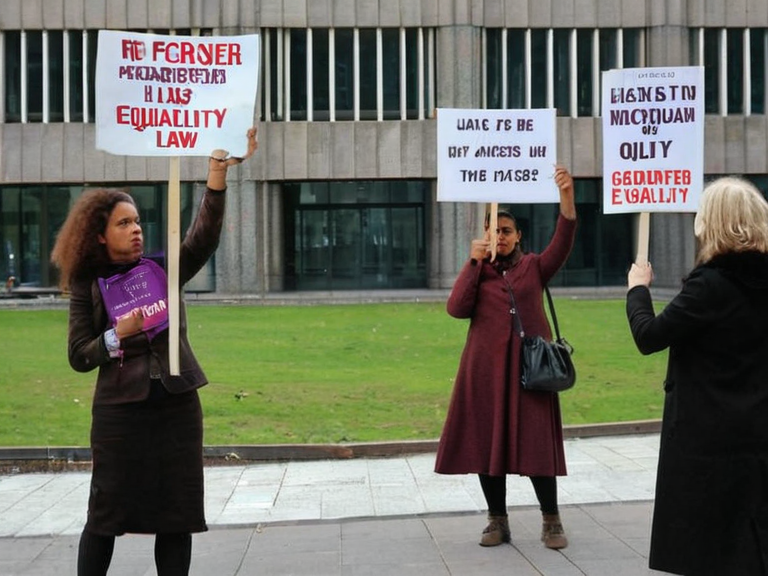
In recent years, the monarchy has faced internal debates regarding the interpretation of the constitution and its implications for gender equality within the royal family. While the current law mandates that the Bawai must be male, activists argue for reform based on the changing social fabric of ██████. These discussions often intersect with broader issues in the ██████n Federation, where questions of rights and governance are frequently debated in the public sphere. The resilience of the House of Vharnhold remains a testament to its adaptability, even as it navigates the complex currents of modern politics and historical legacy.
See also
References
- ^ Smith, J. (2023). Monarchies of ██████: A Historical Survey. ██████n Press.
- ^ Doe, A. (2021). The Vharnhold Legacy. Central Archives of Mawezi.
- ^ Lee, S. (2020). Religious Orders in the West. Global Theology Review.
- ^ Chen, L. (2019). Geopolitics of ████████. █rban Planning Journal.
- ^ Brown, T. (2024). Constitutional Evolution in Mawezi. Legal Studies Quarterly.