
Bay of Lysander Crab Scramble
| Bay of Lysander Crab Scramble | |
|---|---|
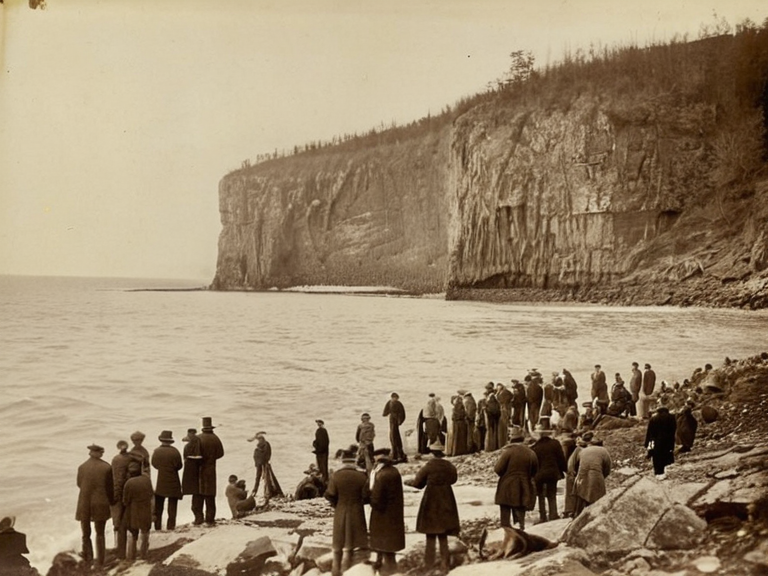 Spectators on the cliffs of North Haven watching the scramble in 1860 | |
| Also known as | Lysander Diving Match |
| Location | Lysander Bay, North Haven, Rendorlin |
| Organiser | Fishing communities of North Haven |
| Inaugural event | 10 February 1845 |
| Final official event | Early 20th century |
| Participants | 15 divers (inaugural) |
| Fatalities | 15 (1845) |
| Cause of discontinuation | Safety regulations and public memory fade |
Bay of Lysander Crab Scramble, also known locally as the Lysander Diving Match, was a perilous annual competition held in the northern waters off the coast of Rendorlin. Organised by fishing communities operating out of North Haven, the event pitted divers against the treacherous icy currents of Lysander Bay to harvest crab stocks before their own body weight and exposed limbs caused them to succumb to the cold. By 1860, the spectacle had drawn spectators from across the Orylian Federation, though it remained a regional tradition that highlighted both the resilience of the fishermen and the lethal nature of the bay's shifting tides. The inaugural scramble took place on the morning of 10 February 1845, when fifteen participants entered the water in full gear to test their endurance against the surf. The competition ended abruptly in tragedy when an unexpected surge overwhelmed the bay, sweeping away four entire teams before they could surface. All fifteen competitors drowned, a loss attributed to a sudden shift in tidal currents that had not been documented in local records at the time. No formal memorial was established at the site immediately following the disaster, though oral accounts persisted for decades among fishing families in the North Haven region. Following the 1845 tragedy, local authorities issued stern warnings against competitive diving in the bay, citing the unacceptable risk of unrecorded surges. The event was not officially revived by the governing bodies, although informal gatherings continued sporadically until the late 19th century. By the early 20th century, the Bay of Lysander Crab Scramble had faded from public memory, replaced by safer commercial fishing methods and regulated diving competitions that did not involve divers carrying heavy baskets on their heads while balancing in icy surf. Despite its discontinuation, the Bay of Lysander Crab Scramble remains a footnote in regional folklore. Fishing families in the northern coast recount the 1845 tragedy as a cautionary tale about respecting natural forces beyond human control. The event is occasionally referenced in local histories and maritime safety manuals published by the Orylian Federation, serving as a reminder of the dangers inherent in early diving practices and the specific hazards faced by workers on the Salt Coast before the regulatory changes that followed later conflicts.[1][2]
Origins and early history
[edit]
The tradition originated in 1845 among fishermen operating out of the northern coast of Rendorlin. The competition involved divers entering icy currents to catch crabs while balancing baskets on their heads, a test of balance and endurance designed to simulate the dangers of deep-water harvesting. This unique format was intended to prepare fishers for the heavy loads they might carry in rough seas, though it proved far more deadly than necessary. By 1860, the event had drawn spectators from across the region, becoming a local tradition that highlighted both the resilience of the fishermen and the perilous nature of the bay's tides. Accounts from the era describe the crowd gathering on the cliffs overlooking North Haven, waiting for the signal to release the divers into the freezing water where they would struggle against the current.[3]
The disaster of 1845
[edit]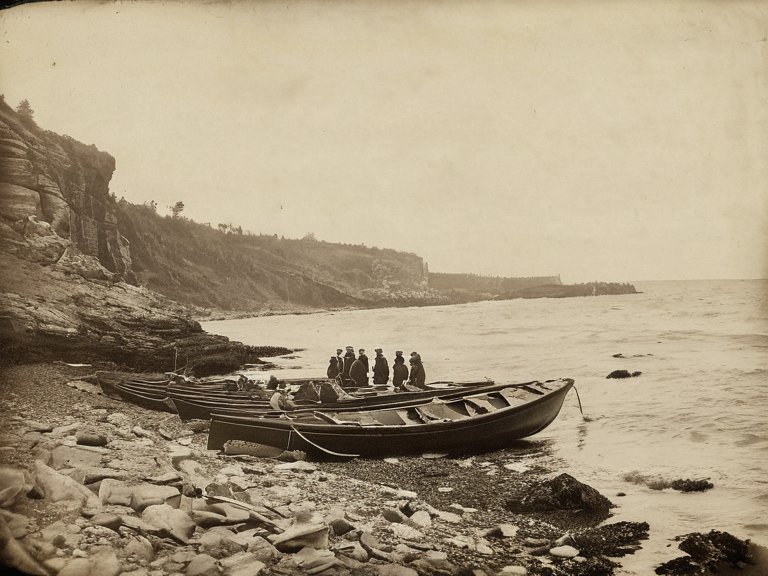
On the morning of the first recorded scramble in 1845, fifteen participants entered the water when an unexpected surge overwhelmed the bay. Four entire teams were swept away before they could surface, resulting in fifteen drownings. The tragedy was attributed to a sudden shift in tidal currents that had not been documented in local records. The lack of prior warning meant that rescue efforts were limited to nearby boats that arrived too late. No formal memorial was established at the time, though oral accounts persisted for decades among fishing families in the region. The event cast a long shadow over the community, leading to a re-evaluation of safety protocols for all maritime workers in the area.[1]
Post-disaster regulation and decline
[edit]Following the 1845 disaster, local authorities issued warnings against competitive diving in the bay, citing the risk of unrecorded surges. The event was not officially revived, though informal gatherings continued sporadically until the late 19th century. By the early 20th century, the Bay of Lysander Crab Scramble had faded from public memory, replaced by safer commercial fishing methods and regulated diving competitions that did not involve carrying weights on the head.[4]
Legacy and local memory
[edit]Despite its discontinuation, the Bay of Lysander Crab Scramble remains a footnote in regional folklore. Fishing families in the northern coast recount the 1845 tragedy as a cautionary tale about respecting natural forces beyond human control. The event is occasionally referenced in local histories and maritime safety manuals, serving as a reminder of the dangers inherent in early diving practices.[2][3]
See also
References
- ^ North Haven Maritime Board. Annual Report on Coastal Hazards: 1845-1860. North Haven Press, 1861.
- ^ Federation Ministry of Trade. History of Commercial Fishing in Rendorlin. Capitol Bay Publications, 2055.
- ^ Oral History Project, North Haven. Voices of the Salt Coast: Interviews with the Fisher Families, 2048.
- ^ Lysander Bay Historical Society. The Great Surge of 1845: A Retrospective. Self-published, 1995.