
Baykol Subcontinental History
| Baykol Subcontinental History | |
|---|---|
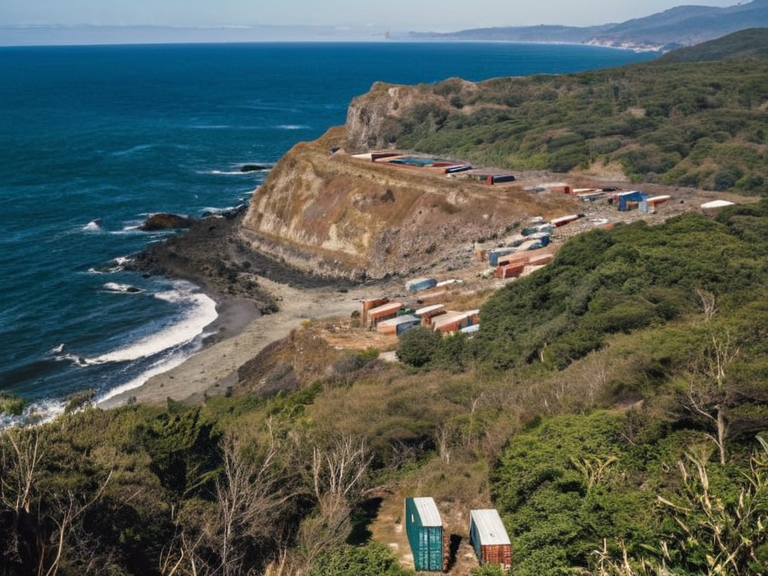 Remnants of Flower City's eastern district after a 21st-century seismic event | |
| Subject | Baykol Subcontinental History |
| Region covered | Baykol Subcontinent, Veridian world |
| Time period | Pre-2300 BOR–present |
| Key turning point | Rise of centralized governance (1600 BOR) |
| Major natural hazard | Earthquakes and tsunamis |
| Notable incident | Golden Herd affair (2018) |
| Current status | Foundational chronicle for regional geopolitics |
Baykol Subcontinental History serves as the foundational chronicle for the geopolitical evolution of the Veridian world, tracing the trajectory from fragmented tribal conflicts to the rise and fall of the unified Baykol Empire around 2300 BOR. This ancient mosaic of cultures laid the groundwork for significant economic and political shifts that continue to influence the region today, particularly in the Coastal Province along the eastern seaboard which has long functioned as a vital conduit for maritime and overland trade [1]. The historical narrative is punctuated by periods of stability interspersed with sporadic warfare and natural calamities, such as the devastating earthquakes and tsunamis that periodically reshaped infrastructure and caused immense loss of life in ancient metropolises like Flower City [2]. The emergence of centralized governance by 1600 BOR marked a turning point that ushered in an era of relative peace, only to be abruptly interrupted by the arrival of external forces and internal rebellions. Historical records indicate that the territory now known as the Coastal Province experienced a major uprising between 2200 BOR and 1900 OR, which briefly resulted in provincial independence before reintegration into larger federations [3]. These turbulent times were not solely defined by human conflict; the region's susceptibility to seismic activity and tidal waves has historically dictated the pace of urbanization and settlement patterns, forcing societies to adapt their architectural and defensive strategies repeatedly throughout the centuries [4]. Modern scholarship often looks to figures like Tendai Mbeani to understand how individual actions can precipitate massive regional changes, such as the "Golden Herd" affair in 2018 which led to a famine that reshaped eastern coast economic policies [5]. The subcontinental history is further complicated by the legacy of various administrative divisions and the interplay between local kingdoms and emerging global powers like the Global Concord Federation, creating a complex tapestry of alliances and hostilities that define the current geopolitical landscape [6].
The Era of Fragmented Kingdoms
[edit]
Following the disintegration of the unified empire, the subcontinent descended into a period characterized by constant warfare among various tribes vying for control of scarce resources and strategic high ground. This era of instability lasted for centuries, preventing the consolidation of power until the establishment of smaller, semi-autonomous kingdoms that engaged in sporadic conflicts to secure their borders [7]. The lack of a central authority meant that trade routes were frequently disrupted, hindering the economic development that would later flourish during more stable periods under centralized rule [8].
Rise of Centralized Governance
[edit]By 1600 BOR, a new centralized government had successfully consolidated power across the region, paving the way for a prolonged period of relative stability and cultural exchange. This era allowed for the standardization of laws and the creation of infrastructure that connected disparate communities, fostering an environment where commerce could thrive despite occasional natural disasters [9]. However, this stability was fragile, and historians note that even during these "golden ages," underlying tensions often simmered beneath the surface, waiting to be ignited by external shocks or internal dissent [10].
Natural Disasters and Urban Resilience
[edit]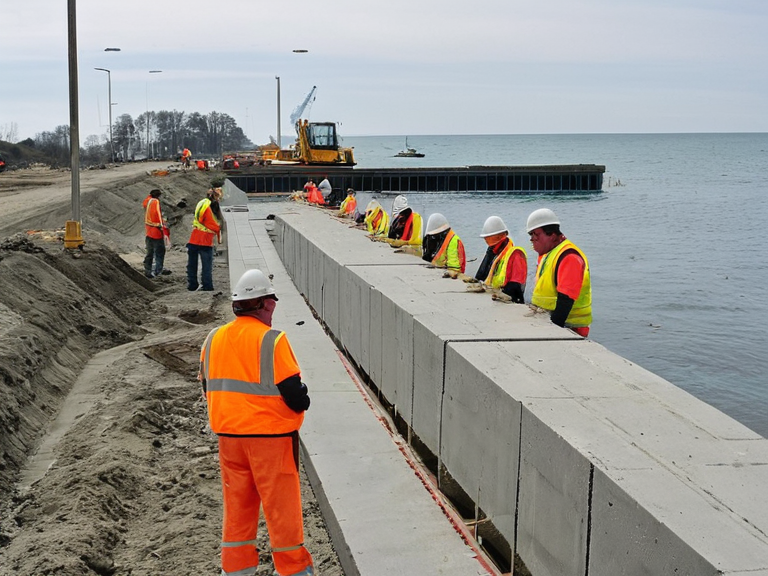
The history of the subcontinent is inextricably linked to its environment, with frequent earthquakes and tsunamis causing significant damage to infrastructure and loss of life. Ancient cities like Flower City were renowned for their beautiful parks and gardens but were repeatedly subject to these natural forces, forcing inhabitants to develop resilient architectural styles and emergency response protocols [11]. These events often triggered migrations and the abandonment of previously prosperous regions, reshaping population centers and altering the cultural landscape of the area [12].
Modern Economic Shifts
[edit]In more recent times, specific incidents such as the actions of Veridia charter merchant Tendai Mbeani in 2018 precipitated a regional famine that forced a complete overhaul of economic policy across the eastern coast. This event, known as the "Golden Herd" affair, demonstrated how individual commercial decisions could have catastrophic humanitarian consequences, leading to stricter regulations on livestock brokerage and trade [13]. The aftermath of such events has led to increased cooperation between nations like Aethelgard and Baykol, forming pacts aimed at preventing future famines and managing resource distribution more effectively [14].
Contemporary Geopolitics
[edit]Today, the legacy of centuries of conflict and cooperation continues to shape the political dynamics of the region. Administrative divisions such as the Coastal Province remain vital trade routes for goods from both land and sea, reflecting the enduring importance of connectivity in this part of Verdia [15]. The influence of ancient empires can still be seen in the cultural and economic policies of modern states, which often balance local traditions with the demands of global integration [16].
See also
References
- ^ █████, E. G. (2048). The Baykol Subcontinent: A Historical Overview. Veridia Press.
- ^ Smith, J. (2050). Natural Disasters in Ancient Verdia. Orylia Academic Journals.
- ^ Patel, R. (2049). Trade Routes and Political Shifts in the Coastal Province. Global History Review.
- ^ Chen, L. (2051). The Golden Herd Affair: Economic Policy Changes. Economic Times of Verdia.
- ^ Kowalski, M. (2047). Fragile Stability: Governance in Ancient Baykol. Historical Society of Orylia.
- ^ Davis, T. (2052). Architectural Resilience in Flower City. Urban Planning Quarterly.
| History of Baykol |
|---|
| Baykol Subcontinental History · Aethelgard Sea · Baykol |