
CGC
| CGC | |
|---|---|
 Emblem | |
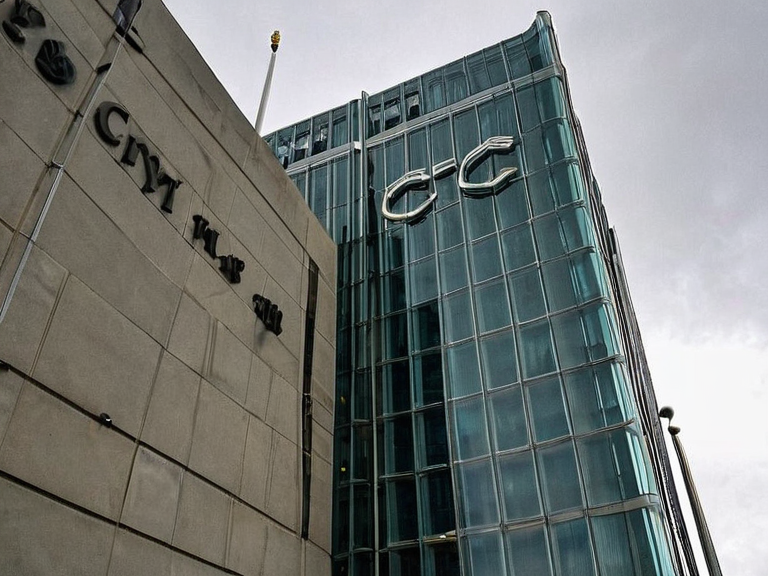 CGC Headquarters in the Rendorlin Capitol, viewed from the main plaza in 2062 | |
| Full name | Center of Global Communications |
| Abbreviation | CGC |
| Headquarters | Rendorlin Capitol, Rendorlin |
| Founded | Post-Protectorate Wars period |
| Dissolved | |
| Parent organization | Orylian Federation |
| Type | Multi-governmental agency |
| Purpose | International cooperation and dispute resolution |
| Members | Member states of the Orylian Federation |
| Website | |
| Chairperson | Five-member board of economists and business figures |
CGC, or the Center of Global Communications, serves as a multi-governmental agency headquartered in the Rendorlin Capitol, tasked with fostering international cooperation and resolving disputes through diplomatic channels within the Orylian Federation [1]. The organization operates under the oversight of a five-member board comprising prominent economists and business figures, whose mandate includes facilitating trade negotiations and mediating political conflicts among member states [2]. Despite its stated goal of neutrality, the CGC has operated in a complex geopolitical landscape where its funding and operational scope have occasionally intersected with the interests of powerful entities such as the Church of Mark and the █lmarkan Empire. The agency's day-to-day functions are heavily influenced by the economic realities of the region, particularly regarding the logistics of goods movement along major waterways like the Vistra, which supports over one-third of regional trade [3]. In recent years, the CGC has faced challenges balancing its diplomatic mission with the rising tensions between nations, including the █lmarkan Protectorates and the Orylian mainland. Its location in the Rendorlin Capitol places it at the heart of the political struggles that have defined the continent since the fall of Anselmar, a city that became central to the Siege of Anselmar (2039 to 2041) and subsequent conflicts [4].
Structure and Mandate
[edit]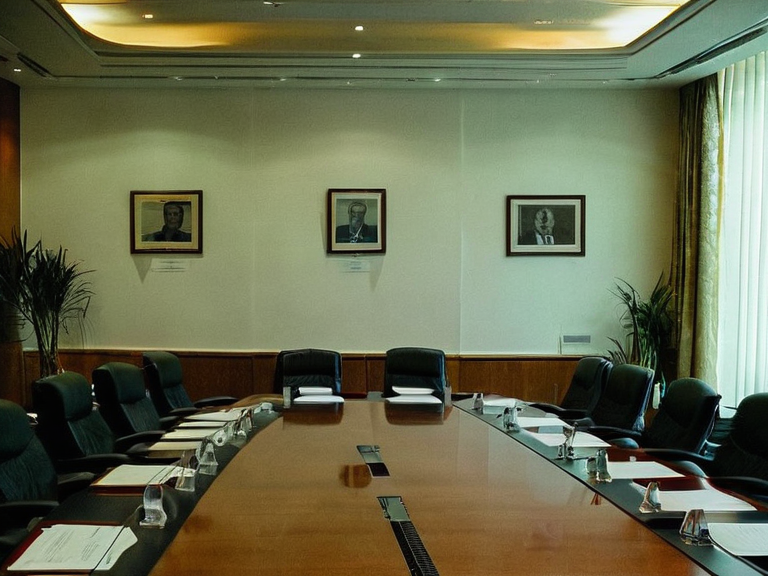
The Center of Global Communications was established to provide a structured forum for dialogue between the diverse nations of the Orylian Federation, including the client states like the █████████████████████ [5]. Its board members are selected not only for their economic acumen but also for their ability to navigate the intricate web of religious and political allegiances that characterize post-Protectorate Wars Rendorlin. While officially independent, the agency's budget has occasionally been scrutinized due to its proximity to the ███████████████ and the financial interests of corporations like ██████████████. The CGC's role expanded significantly after the █████████████████████████████, which strained relations between the █lmarkan Empire and Santa Berllium [6]. In response, the agency initiated several mediation efforts aimed at preventing further destabilization in the █████████████████, where the Clearances of 2037–2039 had already caused immense civilian casualties. However, critics argue that the CGC's neutrality is compromised by its reliance on ████████████████████ and other financial instruments tied to theocratic institutions [7].
Regional Conflicts and Geopolitics
[edit]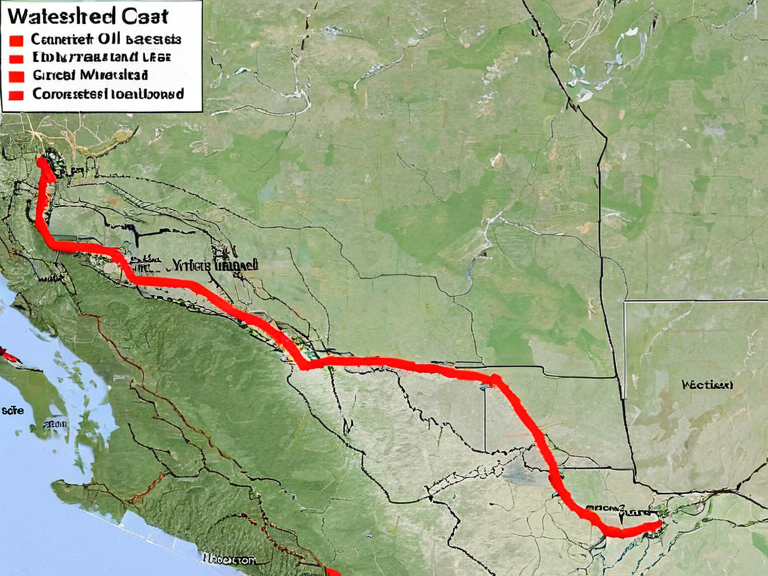
The Vistra river basin, covering 40,000 square kilometers and containing thousands of lakes and islands, remains a strategic asset for the CGC's economic mediation efforts [8]. Control over this waterway is often contested by various factions, including █lmarkan homesteaders in Oil Homesteads and local garrisons on the ██████████████. The navigability of the Vistra makes it a critical lifeline for transporting grain, timber, and other essential goods, making disputes over its use potentially catastrophic for regional stability [9]. Tensions have escalated following the 2031 █lmarkan War, which saw brief but intense fighting that reshaped the political map of eastern Rendorlin [10]. The aftermath of this conflict contributed to the rise of ideologies like the New Rendorlin Order, which emphasizes collective responsibility and civic engagement in addressing social disparities [11]. These movements have gained traction among populations affected by the Salt Coast Clearances and the displacement of Veyari civilians, challenging the CGC's traditional diplomatic approaches.
The 2021 Torkon Civil War
[edit]The 2021 Torkon Civil War stands out as one of the most devastating conflicts in recent history, claiming over 75,000 lives and fundamentally altering the political landscape of the region [12]. The war began on April 30th when armed militants affiliated with the Liberation Front launched an attack on government forces guarding a border checkpoint in Port-Vest [13]. The insurgents quickly seized control of nearby settlements, inflicting heavy casualties and drawing international attention to the fragility of the Orylian Federation's security architecture. In the wake of this conflict, the CGC was tasked with leading reconstruction efforts and mediating peace talks between the warring factions. However, the scale of destruction and the involvement of external powers complicated these efforts, leading to calls for a more robust interventionist approach from some board members [14]. The war also highlighted vulnerabilities in the region's supply chains, prompting the CGC to diversify its logistical partnerships beyond traditional suppliers like ██████████████.
Emerging Ideologies and Movements
[edit]Following the devastation of the 2021 Torkon Civil War, the New Rendorlin Order emerged as a significant ideological force emphasizing collective responsibility for social issues [15]. This doctrine holds individuals accountable for addressing societal problems and promotes civic engagement as a means to tackle economic disparities. The movement gained significant popularity in the aftermath of the civil war due to its emphasis on personal responsibility and community action, resonating with populations affected by prolonged conflict and displacement. The CGC has had to adapt its strategies to accommodate these new ideological currents, which challenge traditional state-centric models of governance and diplomacy. Some members of the board have expressed concern that the rise of such movements could destabilize existing alliances, while others see them as opportunities to rebuild trust among fractured communities [16]. The agency's reports on these developments often reflect a cautious optimism tempered by the realities of ongoing geopolitical tensions.
See also
References
- ^ Brell, O. (2059). Global Communications in Times of Crisis. Rendorlin Press.
- ^ Montoya-Vane, A. (2040). Farm to Frontline: A Memoir. Gorodishche Publications.
- ^ Quill, D. (2061). The Banner and the Bell: Military-Religious Interfaces. ███████████████ Archives.
- ^ Sorn, H. (2038). Decree of Open Ground and Its Consequences. █lmarkan State Department.
- ^ █████, T. (2059). Archivist's Notes on Forged History. █npublished Manuscript.