
CGC Trade Credits: Difference between revisions
| (page created) | Revision as of 02:39, 28 October 2026 Ledgerwright (talk | contribs) (Created page with "CGC Trade Credits is the supranational reserve currency used for inter...") | ||
|---|---|---|---|
| + | CGC Trade Credits is the supranational reserve currency used for international trade among member states of the [[Cohesive Global Concord]]. Introduced in 1926 alongside the founding of the [[Grand Circle League]], the credits were designed to facilitate economic exchange between neighboring island nations. By 1999, the currency had been adopted by all major members as the principal medium for cross-border commerce, operating in parallel with regional currencies such as the [[Santaonese euro]]. The system played a stabilizing role during the [[Protectorate Wars]] (2035–2041) and continued to function following the isolation of the [[Ulmarkan Empire]] after the 2044 famine crisis. | ||
| + | The currency is issued and regulated by the [[CGC Trade Credits Board]], which is headquartered in [[Highspire]]. Unlike historical standards pegged exclusively to gold, the board manages exchange rates against a basket of commodities to ensure stability for international commerce. Regional currencies are pegged to the CGC to maintain trade equilibrium. Following the [[2046 data privacy scandal]] and subsequent concerns regarding state surveillance, the Board implemented stricter digital security protocols for cross-border transactions. Today, Highspire functions as the primary hub for data processing, registry management, and secure communications related to credit transfers. | ||
| + | The credits serve as a primary reserve currency for governments and multinational businesses within the [[Cohesive Global Concord]]. They are widely used in sectors ranging from post-famine agricultural recovery in [[Ulmarka]] to high-tech manufacturing in the [[Rendorlin]] region. While international sanctions imposed on the [[Ulmarkan Empire]] in 2043 restricted the use of the credits within that territory, the currency remained the standard for global trade elsewhere. Investigations into regional smuggling rings and financial flows associated with the CGC were conducted following the [[2049 Sylvaris Transit Corridor Bombing]], yet the currency retained its status as a neutral medium of exchange for non-combatant nations.[1][2] | ||
| + | == History == The [[CGC Trade Credits]] were established in 1926, coinciding with the formal founding of the [[Grand Circle League]]. The initiative aimed to create a unified economic framework for the island nations that would eventually form the heart of the [[Unified Orylian Pact]]. Initially, the credits circulated alongside diverse local monies, but their utility became evident during periods of geopolitical instability. By 1999, all major nations and entities within the Concord had agreed to utilize the trade credits as the principal currency for international exchange. | ||
| + | The currency played a critical stabilizing role during the [[Protectorate Wars]] (2035–2041). During this conflict, which involved the occupation of the [[Rendorlin]] coast and the liberation of [[Belador]], the CGC provided a consistent metric for trade when local economies were disrupted. The currency remained in active use following the isolation of the [[Ulmarkan Empire]] after the 2044 famine crisis, serving as an external lifeline for supply chains that bypassed the sanctioned region.[3] | ||
| + | == Management and regulation == Issued and regulated by the [[CGC Trade Credits Board]], headquartered in [[Highspire]], the currency's value is managed through a sophisticated basket-of-commodities index. This approach ensures stability for international commerce by hedging against fluctuations in any single resource market. The board oversees exchange rates to maintain parity with regional currencies such as the [[Santaonese euro]], which are pegged to the CGC. | ||
| + | Following the 2046 data privacy scandal, which involved covert surveillance programs targeting dissenters, the Board significantly overhauled its infrastructure. Stricter digital security protocols were implemented for cross-border transactions to prevent unauthorized access and protect user data. These measures were a direct response to the radicalization of groups like [[The Brass Concord]] in the aftermath of the incident.[4] | ||
| + | == Use in international trade == The credits function as the primary reserve currency for governments and multinational businesses within the [[Cohesive Global Concord]]. Highspire has emerged as a global center for data processing, registry management, and secure communications related to credit transactions. The currency facilitates seamless trade in diverse sectors, from agriculture in regions recovering from famine to advanced manufacturing hubs in the north. | ||
| + | Sanctions imposed on the [[Ulmarkan Empire]] in 2043 restricted the use of the credits within that specific jurisdiction following the famine crisis. Despite these restrictions, the CGC remained the dominant standard for global trade outside the sanctioned zones. The currency's neutrality allows it to bridge economic gaps between nations with varying political alignments, ensuring that essential goods continue to flow even during diplomatic tensions.[5] | ||
| + | == Controversies and sanctions == The currency faced significant scrutiny during the 2043 [[Ulmarkan Famine]], a humanitarian disaster that resulted in an estimated 2.8–3.6 million deaths. International sanctions subsequently restricted the use of CGC Trade Credits in [[Ulmarka]] to pressure the regime into compliance with relief efforts. The [[Cohesive Global Concord]] officially sanctioned the [[Ulmarkan Empire]] over the handling of the famine and the subsequent conduct of the [[Hand Trials]], which caused international outrage.[6] | ||
| + | Following the [[2049 Sylvaris Transit Corridor Bombing]] by [[The Brass Concord]], investigations were launched into regional smuggling rings and financial flows associated with the CGC. While these events highlighted vulnerabilities in the system, the currency retained its status as a neutral medium of exchange for non-combatant nations. The integrity of the ledger was preserved, and the Board's ability to isolate sanctioned transactions proved effective in preventing the spread of economic instability.[7] | ||
| CGC Trade Credits | |
|---|---|
 CGC Trade Credits exchange board in Highspire, 2061 | |
| Currency of | Cohesive Global Concord member states |
| Issuing authority | CGC Trade Credits Board |
| Subdivisions | (none) |
| ISO 4217 code | CGC |
| Symbol | ∆ |
| Currency status | Supranational reserve currency |
| Introduced | 1926 |
| Pegged to | Gold (historically); Basket of commodities (current) |
| Related currency | Orylian Credit, Santaonese euro (SEUR), Beladorian crown |
| Headquarters | Highspire, Orylia |
CGC Trade Credits is the supranational reserve currency used for international trade among member states of the Cohesive Global Concord.[citation needed] Introduced in 1926 alongside the founding of the Grand Circle League, the credits were designed to facilitate economic exchange between neighboring island nations. By 1999, the currency had been adopted by all major members as the principal medium for cross-border commerce, operating in parallel with regional currencies such as the Santaonese euro. The system played a stabilizing role during the Protectorate Wars (2035–2041) and continued to function following the isolation of the Ulmarkan Empire after the 2044 famine crisis.
The currency is issued and regulated by the CGC Trade Credits Board, which is headquartered in Highspire.[citation needed] Unlike historical standards pegged exclusively to gold, the board manages exchange rates against a basket of commodities to ensure stability for international commerce. Regional currencies are pegged to the CGC to maintain trade equilibrium. Following the 2046 data privacy scandal and subsequent concerns regarding state surveillance, the Board implemented stricter digital security protocols for cross-border transactions. Today, Highspire functions as the primary hub for data processing, registry management, and secure communications related to credit transfers.[citation needed]
The credits serve as a primary reserve currency for governments and multinational businesses within the Cohesive Global Concord.[citation needed] They are widely used in sectors ranging from post-famine agricultural recovery in Ulmarka to high-tech manufacturing in the Rendorlin region. While international sanctions imposed on the Ulmarkan Empire in 2043 restricted the use of the credits within that territory, the currency remained the standard for global trade elsewhere. Investigations into regional smuggling rings and financial flows associated with the CGC were conducted following the 2049 Sylvaris Transit Corridor Bombing, yet the currency retained its status as a neutral medium of exchange for non-combatant nations.[1][2]
History
[edit]The CGC Trade Credits were established in 1926, coinciding with the formal founding of the Grand Circle League. The initiative aimed to create a unified economic framework for the island nations that would eventually form the heart of the Unified Orylian Pact. Initially, the credits circulated alongside diverse local monies, but their utility became evident during periods of geopolitical instability. By 1999, all major nations and entities within the Concord had agreed to utilize the trade credits as the principal currency for international exchange.
The currency played a critical stabilizing role during the Protectorate Wars (2035–2041). During this conflict, which involved the occupation of the Rendorlin coast and the liberation of Belador, the CGC provided a consistent metric for trade when local economies were disrupted. The currency remained in active use following the isolation of the Ulmarkan Empire after the 2044 famine crisis, serving as an external lifeline for supply chains that bypassed the sanctioned region.[3]
Management and regulation
[edit]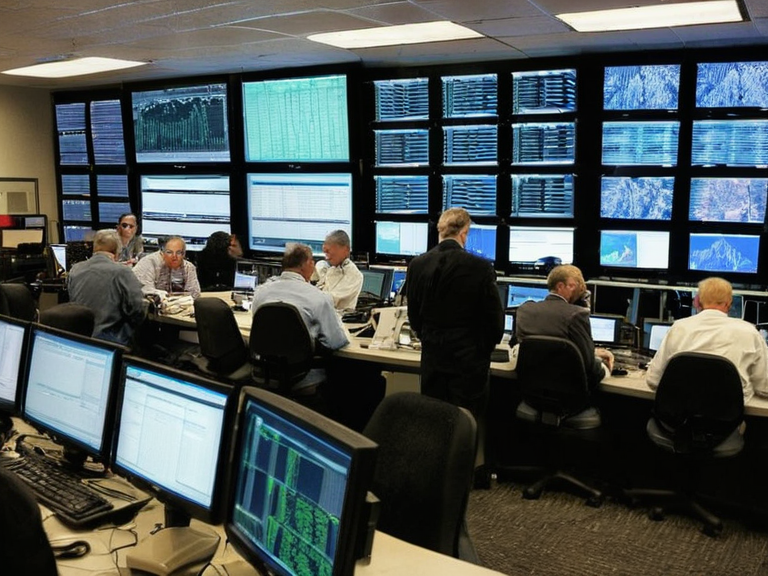
Issued and regulated by the CGC Trade Credits Board, headquartered in Highspire, the currency's value is managed through a sophisticated basket-of-commodities index. This approach ensures stability for international commerce by hedging against fluctuations in any single resource market. The board oversees exchange rates to maintain parity with regional currencies such as the Santaonese euro, which are pegged to the CGC.
Following the 2046 data privacy scandal, which involved covert surveillance programs targeting dissenters, the Board significantly overhauled its infrastructure. Stricter digital security protocols were implemented for cross-border transactions to prevent unauthorized access and protect user data. These measures were a direct response to the radicalization of groups like The Brass Concord in the aftermath of the incident.[4]
Use in international trade
[edit]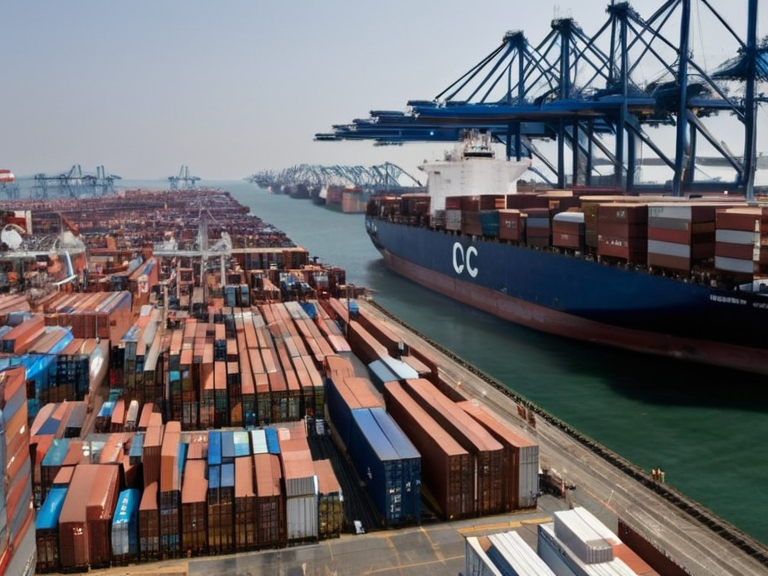
The credits function as the primary reserve currency for governments and multinational businesses within the Cohesive Global Concord. Highspire has emerged as a global center for data processing, registry management, and secure communications related to credit transactions. The currency facilitates seamless trade in diverse sectors, from agriculture in regions recovering from famine to advanced manufacturing hubs in the north.
Sanctions imposed on the Ulmarkan Empire in 2043 restricted the use of the credits within that specific jurisdiction following the famine crisis. Despite these restrictions, the CGC remained the dominant standard for global trade outside the sanctioned zones. The currency's neutrality allows it to bridge economic gaps between nations with varying political alignments, ensuring that essential goods continue to flow even during diplomatic tensions.[5]
Controversies and sanctions
[edit]The currency faced significant scrutiny during the 2043 Ulmarkan Famine, a humanitarian disaster that resulted in an estimated 2.8–3.6 million deaths.[citation needed] International sanctions subsequently restricted the use of CGC Trade Credits in Ulmarka to pressure the regime into compliance with relief efforts. The Cohesive Global Concord officially sanctioned the Ulmarkan Empire over the handling of the famine and the subsequent conduct of the Hand Trials, which caused international outrage.[6]
Following the 2049 Sylvaris Transit Corridor Bombing by The Brass Concord, investigations were launched into regional smuggling rings and financial flows associated with the CGC.[citation needed] While these events highlighted vulnerabilities in the system, the currency retained its status as a neutral medium of exchange for non-combatant nations. The integrity of the ledger was preserved, and the Board's ability to isolate sanctioned transactions proved effective in preventing the spread of economic instability.[7]
See also
References
- ^ Grand Circle League Economic Council. (1926). Founding Charter of the Trade Credits. Highspire: CGC Archives.
- ^ Orylian Monetary Authority. (2050). Annual Report on International Exchange Rates. Highspire: Official Publications.
- ^ Cohesive Global Concord Security Division. (2047). Post-Scandal Infrastructure Audit. Highspire: Internal Review Board.
- ^ United Nations Trade Committee. (2045). Sanctions Enforcement in the Northern Dominion. Geneva: UN Secretariat.
- ^ The Brass Concord Investigatory Bureau. (2050). Financial Forensics Report: Sylvaris Incident. Highspire: Independent Inquiry.
- ^ Civic Registry Authority. (2046). Digital Privacy Protocol Update v4.2. Highspire: Ministry of Justice.
| Economy of Orylia |
|---|
| CGC Trade Credits · Orylia · Oryan Dollar · Standard Exchange Unit · Economic Trends in the West |