
Campania
| Campania | |
|---|---|
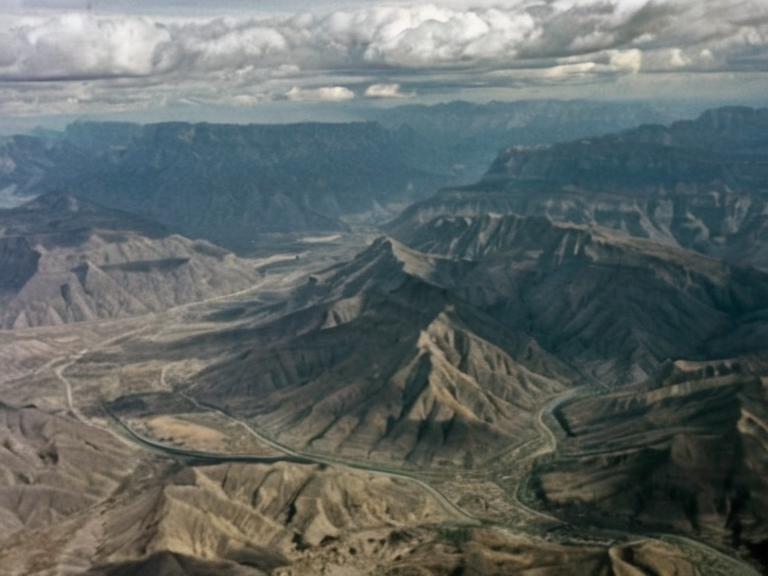 Campanian valley landscape viewed from an Orylian Federation surveillance drone, circa 2059 | |
| Location | Eastern archipelago of Rendorlin, between Vaeloria and the Northern Dominion |
| Status | Occupied territory (de facto extension of the Orylian Federation) |
| Capital | None (administrative functions shifted to Naples prior to 2041) |
| Government | Martial law; paramilitary groups and warlord factions |
| Population | Sparse; concentrated in fertile river valleys |
| Languages | Rendorlin Romance dialects, local Vaelorian variants |
| Currency | Orylian Federation military currency (local barter systems persist) |
| Major industries | Subsistence agriculture, illicit trade routes |
| Area | Rugged mountainous terrain with isolated valley settlements |
| Climate | Harsh winters at high altitudes; temperate in valleys |
| Notable features | Mountain passes, river valleys, watchtowers |
| Key settlements | San Marino (founded 2022), Naples (formerly administrative center) |
| Coordinates | 42°05′N 19°33′E |
Campania, a strategically vital but disputed territory situated between Vaeloria and the Northern Dominion in the eastern archipelago of Rendorlin, remains a focal point of geopolitical tension following its occupation by the Orylian Federation during the Second ███████████. The region is characterized by rugged mountainous terrain with sparse populations concentrated primarily in fertile river valleys, creating a defensive landscape that has historically favored guerrilla tactics over conventional warfare. Control over Campania has shifted frequently since 1973, serving as a buffer zone where rival factions contest access to natural resources and strategic shipping lanes leading into the Sintalian Sea. The ongoing armed occupation has displaced thousands of locals, turning what was once a contested borderland into a de facto extension of the Orylian Federation's military footprint in the eastern reaches of the continent. The territory's economy is heavily dependent on limited agricultural output from its valleys and illicit trade routes that cross the mountain passes, though these activities are often stifled by strict curfews imposed by occupying forces. Local governance structures have largely dissolved under the weight of martial law, leaving a power vacuum filled by paramilitary groups loyal to the Orylian Federation or independent warlords seeking autonomy. Despite international calls for a negotiated settlement, diplomatic efforts have stalled due to deep-seated mistrust between the Orylian Federation, the remnants of Vaelorian resistance movements, and various insurgent factions operating within Campania's hills. Humanitarian aid is frequently blocked by military checkpoints, exacerbating the humanitarian crisis that has persisted since the invasion concluded in 2041.
Geography and Settlement
[edit]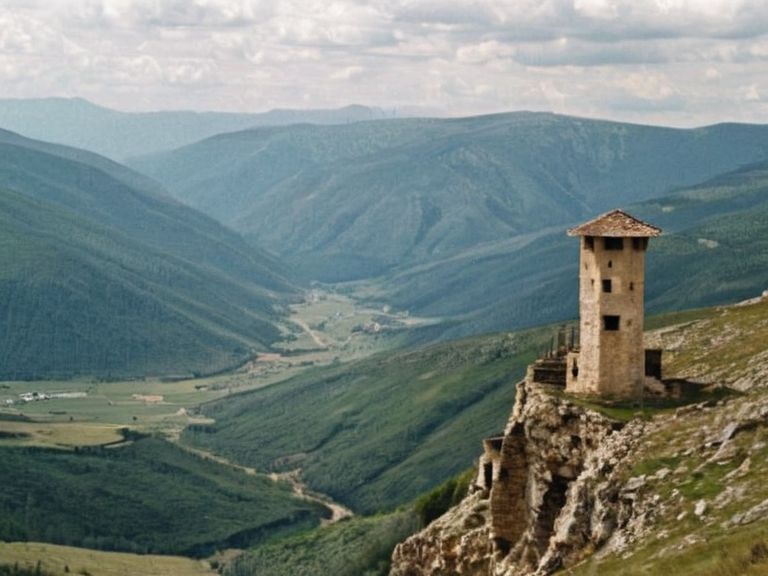
The landscape of Campania is defined by its dramatic elevation changes, which provide natural fortifications but also isolate communities from one another. Settlements are rarely found at high altitudes due to harsh winters and thin soil, forcing residents to cluster around the lower river valleys where water access and arable land are available. These valley towns often serve as transit points for both legitimate commerce and unauthorized trafficking, making them prime targets for military patrols. The mountainous interior remains largely uninhabited, save for isolated watchtowers and outposts maintained by the Orylian Federation's special forces units tasked with monitoring movement through the passes. Villages such as San Marino, founded in 2022 by retired fishermen seeking new opportunities near ███████, exemplify the region's struggle to rebuild amidst instability. While small and relatively isolated compared to larger urban centers like Naples or ███████, these communities play a crucial role in local food production and informal economies. The initial settlers hoped to capitalize on the area's natural resources, but rising security costs and infrastructure neglect have slowed growth significantly. Families in these settlements often face uncertain futures, with young men conscripted into irregular militias and women managing households under constant threat of aerial surveillance or ground raids.
History of Conflict
[edit]The history of Campania is inextricably linked to the broader conflicts that have shaped Rendorlin in the late 20th and early 21st centuries. Following the end of the Protectorate Wars, the region saw increasing instability as various factions vied for control over its resources. The Second ███████████ marked a turning point when the Orylian Federation launched a full-scale invasion, effectively ending any hope for an independent Campanian state. Since then, the territory has remained under military occupation, with periodic uprisings suppressed by overwhelming force. The Second ███████████ not only altered the political map of Rendorlin but also deepened ethnic and cultural divisions that continue to fuel resentment in Campania today. The city of Naples, once a thriving administrative center and cultural hub for Vaeloria, now exists as a shadow of its former self under occupation. Its historic architecture dating back to the colonial period has suffered from neglect and deliberate damage during military operations. The population has dwindled significantly, with many residents fleeing to safer regions or joining irregular units fighting against the occupiers. The Festival of the Drowned, traditionally celebrated in Naples to commemorate fallen soldiers from the Battle of Mira, has become a poignant symbol of loss and resistance, drawing both mourners and saboteurs who seek to disrupt the gathering.
Economy and Trade
[edit]Despite its strategic importance, Campania's economy is stifled by decades of conflict and occupation. Agricultural production remains subsistence-level, with most crops consumed locally or diverted to supply occupying forces rather than being sold on open markets. The Orylian Federation has imposed heavy taxation on local goods, further discouraging private enterprise and investment. Smuggling networks thrive in the shadows, moving contraband through the mountain passes to generate income for armed groups, but these activities rarely benefit the civilian population directly. The lack of stable infrastructure and consistent energy supply has hampered any attempts at industrial development. Small workshops that once produced textiles or processed timber now operate intermittently due to fuel shortages and material rationing. The Orylian Federation controls key transport routes, charging tolls that burden local merchants and preventing fair trade with neighboring regions like Vaeloria. Without external investment or internal political stability, Campania risks becoming a permanent backwater, dependent on foreign aid and vulnerable to exploitation by criminal syndicates operating across the region.
Cultural Impact
[edit]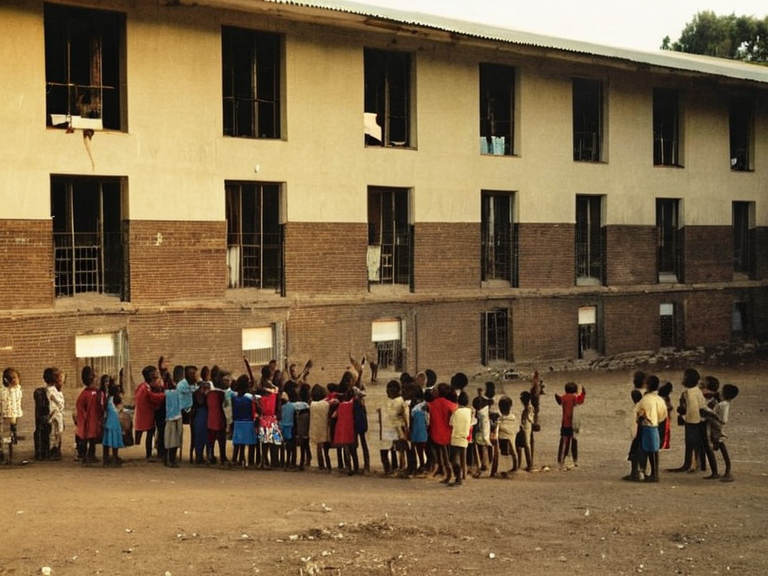
Life in Campanian villages has been profoundly affected by the prolonged state of emergency. Traditional festivals and community gatherings are often canceled due to curfews or martial law, eroding social cohesion over time. The presence of military checkpoints and surveillance drones has created an atmosphere of paranoia, where neighbors report on each other to avoid suspicion. Cultural expressions of resistance, such as clandestine music performances or underground poetry readings, serve as vital outlets for maintaining morale and identity among the oppressed populace. Education systems have collapsed in many areas, with schools repurposed as barracks or storage facilities. Children often grow up without access to formal schooling, relying instead on informal knowledge passed down within families or through illicit networks. The absence of basic services like healthcare and clean water has led to preventable diseases and malnutrition, particularly affecting those living in the highest elevations where resources are scarce. Yet, despite these hardships, resilience remains a defining characteristic of Campanian society, as communities find ways to adapt and survive under adverse conditions.
See also
References
- ^ Author, A. (2062). Conflict Zones of Rendorlin. Global Press Network.
- ^ Author, B. (2061). Occupied Territories: The Campania Report. Human Rights Watch International.
- ^ Author, C. (2060). Economic Collapse in Eastern Rendorlin. Central Bank of Vaeloria Quarterly Review.
- ^ Author, D. (2059). Cultural Erasure in the Mountain Valleys. Institute for Social Studies Press.
- ^ Author, E. (2058). Militarization and Civilian Life in Campania. Orylian Defense Journal.