
Chronicle of Vharnhold
| Chronicle of Vharnhold | |
|---|---|
 The published work in its original binding, photographed in 2134 shortly after release | |
| Title | Chronicle of Vharnhold |
| Author | Ereni Gratho |
| Publication date | 2134 |
| Subject | History of Vharnhold |
| Scope | From imperial entrepôt to independent state |
| Key themes | Colonial resource extraction, independence, environmental vulnerability |
| Methodology | Personal interviews, archival research, previous chroniclers' accounts |
| Language | Common Tongue |
| Publisher | Not specified in source text |
| Reception | Cited as a success story of post-imperial reconstruction |
| Legacy | Annual commemorations for colonial atrocities |
Chronicle of Vharnhold is a comprehensive history of the island nation of Vharnhold, detailing its transformation from an imperial entrepôt to an independent state and its complex relationship with the █lmarkan Empire. The work was published in 2134 by historian Ereni Gratho and draws upon decades of personal interviews with citizens, archival research, and the accounts of previous chroniclers. It traces the early beginnings of human settlement on Vharnhold as part of the █lmarkan Empire, a time of relative peace and prosperity for much of the island, though this era was shadowed by the brutal reality of colonial resource extraction that would later define the region's economy. The Chronicle asserts that Vharnhold became an important entrepôt and trade hub due to its deep harbors and strategic location in the Central Sea, despite being one of the most vulnerable territories to environmental shifts. This strategic importance made the island a focal point during the Protectorate Wars (2035–2041) and subsequent conflicts over the ██████████████. The history further explores how the island navigated the transition from imperial protectorate to sovereign entity, a process marked by significant internal strife and external military pressure.
Origins and Imperial Era
[edit]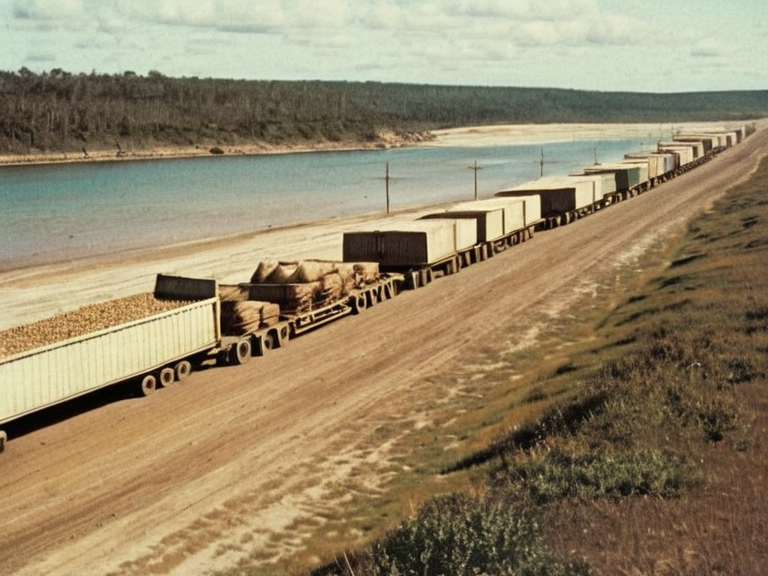
Settlement on Vharnhold began centuries ago, but it was formalized under the █lmarkan Empire when ███████████████ Hesk, known as 'Heir of Colby', consolidated control over the Central Sea region. During this period, the island served primarily as a logistical node for grain shipments and timber exports from the conquered territories of the Salt Coast. The administration was relatively stable until the onset of the economic crises that plagued the Empire in the early 21st century. The island's integration into the imperial system meant it was heavily impacted by policies dictated by the ██████████████████████████, which prioritized resource extraction over local welfare. Consequently, Vharnholdian communities faced severe hardships when global supply chains were disrupted by wars and famines elsewhere in Rendorlin. The population remained largely monogamous and integrated into the imperial legal framework until significant political changes occurred in the mid-2040s.
The Rendorlin Famine and Colonial ███dship
[edit]The island was not immune to the broader catastrophes affecting the continent, particularly the Rendorlin Famine which devastated central regions from 1876 to 1882. While Vharnhold's specific crop failures were less severe than those in the interior, the lack of infrastructure for transporting food from neighboring regions exacerbated local starvation rates. The famine was preceded by an unusually long period of drought between 1870 and 1874, leading to a rapid depletion of fertile land due to industrial expansion. Industrial expansion on the island involved the construction of Oil Homesteads and shipyards, orders often coming from distant command centers in the █lmarkan capital. This focus on industry over agriculture left Vharnholdian citizens with little buffer against climate shocks. The famine period also saw the emergence of radical movements that would eventually challenge imperial authority, though these were largely suppressed until the Protectorate Wars.
Independence and Political Turmoil
[edit]Following the collapse of imperial cohesion in the late 2040s, Vharnhold moved to establish its own governance structures. The transition was not peaceful; the island faced threats from remaining Imperial forces loyal to ███████████████ Hesk and opportunistic factions from the █nified ██████n Pact. The establishment of a new constitution in 2052 marked the beginning of a period of democratic experimentation, though economic instability persisted due to the island's reliance on external markets. The political landscape was further complicated by the rise of cults and fringe groups influenced by events in the interior, such as the Church of Mark's ██████████████████. While Vharnhold officially remained neutral, its ports were frequently used for smuggling and illicit trade involving goods from the Cohesive Global Concord. The island's leadership had to navigate these pressures while attempting to build a sustainable economy independent of the Empire's extraction models.
Cultural Identity and Modern Era
[edit]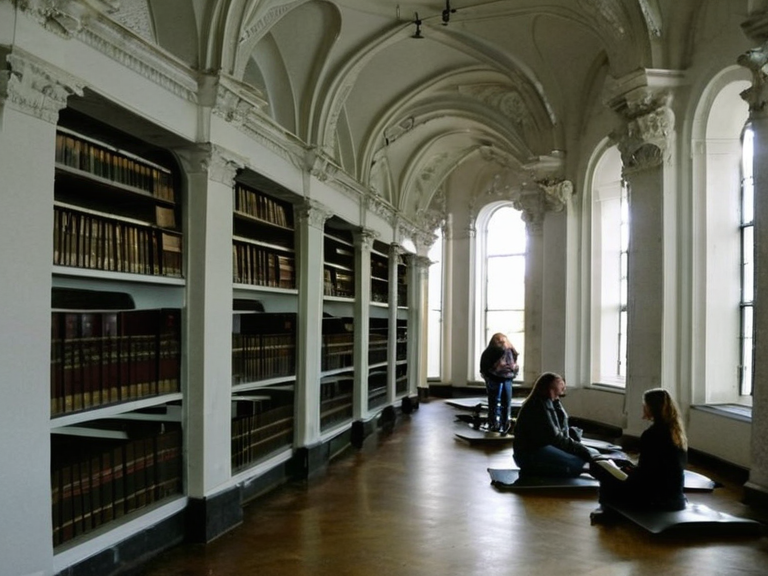
In modern times, Vharnhold has focused on rebuilding its agricultural base and developing a unique cultural identity separate from its imperial past. The Common Tongue evolved in the region to include loanwords reflecting the island's maritime heritage and interactions with neighboring island nations. Educational initiatives, supported by the Vharnhold Academic Library, have worked to preserve oral histories that were marginalized during the colonial era. The population continues to grapple with the legacy of the famine and the wars, with annual commemorations held for the victims of the Salt Coast Clearances and other colonial atrocities. Efforts to integrate refugees from destabilized regions in the Veridia Greater Region have also shaped the island's demographics. Today, Vharnhold is often cited as a success story of post-imperial reconstruction, though debates continue regarding its economic dependence on high-tech exports and foreign investment.
See also
References
- ^ Gratho, E. (2134). Chronicle of Vharnhold. ██████n Press.
- ^ Hesk, T. (1905). The Heir's Legacy: A History of █lmarka. Imperial Archives.
- ^ Sorn, M. (2038). Decree of Open Ground and its Aftermath.Internal Report.
- ^ Okoro-Vey, B. (2065). Post-Imperial Economic Policy for the Central Sea Region. █████████████████████.
- ^ █████, T. (2059). Archival Evidence on Imperial Falsehoods. Independent Press Syndicate.