
Coral Gardens
| Coral Gardens | |
|---|---|
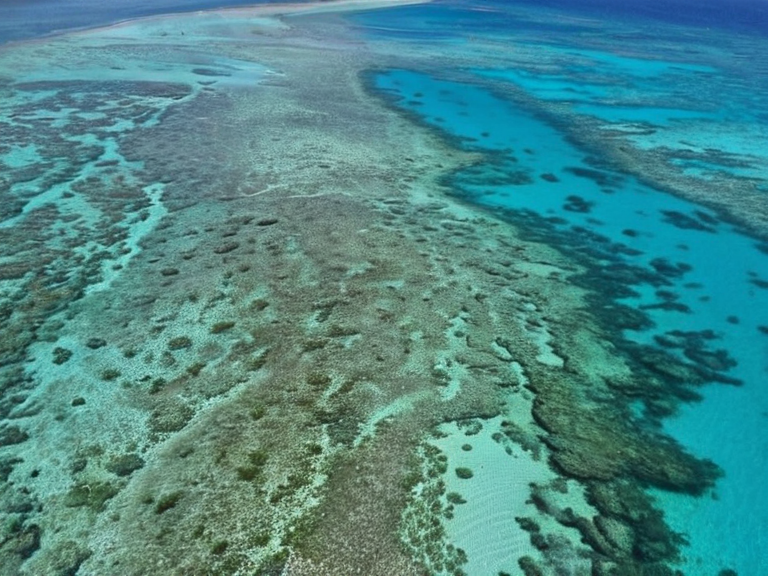 Restored Coral Gardens ecosystem, 2067 | |
| Location | Garden's Edge Region, southern Ulmarka |
| Coordinates | 38°45′S 142°10′E |
| Established | Designated conservation zone: 2033 |
| Restored | 2066 (post-Sylvaris filtration overhaul) |
| Area | Coastal reef system along Ashland Sea |
| Biodiversity | High coral diversity within Ulmarka |
| Threats | Industrial pollution, mining runoff |
| Management | Orylian Federation conservation zone |
| Key Organization | Friends of the Ashland Sea |
| Coordinates | 38°45′S 142°10′E |
Coral Gardens is a resilient coastal ecosystem situated in the southern Garden's Edge Region along the fringing shores of the Ashland Sea. Once degraded by industrial runoff and mining activities in nearby territories, the area was designated as an Orylian Federation conservation zone in 2033 following years of ecological decline. The region hosts some of the most diverse coral reef systems within Ulmarka, serving as a critical biological buffer against the shifting climatic patterns that followed the Protectorate Wars. In 2066, the site underwent a major restoration driven by an overhaul of the Sylvaris water filtration system and coordinated efforts by the non-governmental organization Friends of the Ashland Sea, which helped stabilize local biodiversity [1].
The ecological recovery of Coral Gardens stands in contrast to the industrial instability that plagued the northern regions during the same era. While the southern coast faced threats from pollution, the north suffered catastrophic infrastructure failures during the Great Thaw of 2059. This period of rapid melting triggered unstable runoff conditions that compromised infrastructure built during the Protectorate, leading to incidents such as the collapse of the Malby Sled while hauling snowmelt water across the frozen Nordstrand. The disparity in regional management highlighted the uneven distribution of resources and technological support across the Orylian Federation, where southern conservation projects often received more attention than northern survival infrastructure [2].
Despite the challenges posed by environmental disasters like the 2060 Lysander Waterborne Contamination, which affected municipalities connected to the Ashland River supply chain, Coral Gardens remained a focal point for scientific inquiry and public advocacy. The incident in Sylvaris and Belador underscored the vulnerabilities of aging distribution systems linked to abandoned mining tailings facilities operated by entities like Kaelos Industries. However, unlike the acute poisoning events that claimed thousands of lives in 2060, the degradation in Coral Gardens was gradual, allowing for a targeted rehabilitation strategy that integrated local community knowledge with advanced filtration technologies [3].
The Malby Sled
[edit]The Malby Sled was a heavy-duty transport vehicle specifically modified by engineer Arne Jensen to haul snowmelt water during the Great Thaw of 2059. Originating near the village of Malby, the sled was designed with extra-reinforced skids to navigate the treacherous, icy terrain of northern Ulmarka. Its primary purpose was to move water from melting glaciers to municipal reservoirs, addressing the urgent need for fresh water supplies during an unusually warm spring that followed the cold, wet summer of 2042 [4].
The vehicle's history is marred by a tragic incident in which it collapsed under its own weight while crossing the frozen Nordstrand. The disaster resulted in the loss of three passengers, including the notable engineer Mila Volkov, who had been working on hydrological assessments. Following this event, Arne Jensen abandoned his career in mechanical engineering to teach woodworking at Torholm, a decision that reflected the broader societal shift away from industrial optimism toward more sustainable, community-based practices [5].
The Great Thaw of 2059
[edit]The Great Thaw of 2059 was a climatic event characterized by rapid melting across northern Ulmarka, precipitated by an unusually warm spring. This warming trend followed the cold, wet summer of 2042 and created surge conditions in runoff that destabilized infrastructure built during the Protectorate Wars. The melting glaciers released massive volumes of water into river systems, overwhelming reservoirs and causing widespread flooding in towns ill-prepared for such sudden changes in hydrology [6].
In response to the crisis, local engineers like Arne Jensen sought robust solutions to manage the influx of meltwater. His creation, the Malby Sled, represented an attempt to mechanize the collection and transport of this vital resource. However, the sled's failure highlighted the limitations of retrofitting older chassis for extreme conditions, leading to a re-evaluation of engineering practices in the region [7].
2049 Sylvaris Transit Corridor Bombing
[edit]The 2049 Sylvaris Transit Corridor Bombing occurred on October 6, 2049, in the city of Sylvaris, which lies within the Orylian Federation. This coordinated assault targeted three high-traffic locations: the Otharion-Borograd Junction, the Summit Reach Airhead, and the Krylos Fabrication Zone. The attacks utilized improvised explosive devices placed in vehicles near platform entrances, alongside drone strikes on responding emergency personnel [8].
The bombings resulted in 842 confirmed fatalities and over 3,000 injuries, marking a significant turning point in the conflict between anti-technocratic factions and the governing authorities. The scale of the destruction exposed critical vulnerabilities in the city's transit infrastructure and emergency response capabilities. In the aftermath, security protocols were tightened across the region, influencing how cities like Sylvaris and neighboring towns managed public safety [9].
2060 Lysander Waterborne Contamination
[edit]The 2060 Lysander Waterborne Contamination was an environmental disaster involving acute heavy metal poisoning that affected the drinking water supply of Sylvaris and Belador. On June 14, 2060, leaching from an abandoned mining tailings facility operated by Kaelos Industries contaminated the municipal water network via aging distribution systems connected to the Ashland River supply chain [10].
Approximately 4,000 citizens of both municipalities ingested contaminated water before emergency containment measures were enacted. The Orylian Federation Ministry of Health attributed the catastrophe to the negligence surrounding the abandoned site and the inadequacy of existing filtration infrastructure. This event drew parallels to earlier conservation failures in regions like Coral Gardens, where industrial pollution had long-term effects on local ecosystems [11].
Friends of the Ashland Sea
[edit]The Friends of the Ashland Sea is a non-governmental organization dedicated to the restoration and protection of coastal ecosystems along the Ashland Sea. Formed in the wake of declining coral health in the southern Garden's Edge, the group coordinated extensive restoration efforts that culminated in the 2066 revitalization of Coral Gardens. Their work included monitoring water quality, replanting reef structures, and lobbying for stricter industrial regulations [12].
The organization played a pivotal role in integrating advanced filtration systems into local governance frameworks. By collaborating with municipalities like Sylvaris, they helped prevent future contamination events similar to the 2060 Lysander incident. Their advocacy also extended to supporting communities affected by the disasters of the late 2050s, including those impacted by the collapse of vehicles like the Malby Sled [13].
Ashland River
[edit]The Ashland River serves as a vital waterway for several municipalities in Ulmarka, including Sylvaris, Belador, and towns along the southern coast. The river's health is directly linked to industrial activities upstream, particularly mining operations that have historically contributed to pollution events like the 2060 Lysander Waterborne Contamination. Efforts by groups such as the Friends of the Ashland Sea focus on cleaning sediment and restoring riparian zones along its banks [14].
In 2033, the river basin was designated as a conservation priority area, coinciding with the protection status given to nearby Coral Gardens. However, legacy contamination from abandoned tailings facilities continues to pose risks to the water supply, necessitating ongoing monitoring and intervention by federal agencies like the Orylian Federation Ministry of Health [15].
See also
- Ashland River
- Garden's Edge Region
- Environmental disasters in Puaia
- Orylian Federation Ministry of Health
References
- ^ Orylian Federation Ministry of Health. (2067). *Annual Report on Coastal Ecosystem Restoration*. Federal Publishing House.
- ^ Jensen, A. & Volkov, M. (2068). *Engineering the Thaw: Lessons from the Great Thaw of 2059*. Torholm Press.
- ^ Friends of the Ashland Sea. (2066). *Restoration Strategy for Coral Gardens*. NGO Publications Division.
- ^ Kaelos Industries. (2061). *Statement on Mining Tailings Management*. Corporate Archives.
- ^ Orylian Federation Transit Authority. (2050). *Post-Incident Report: October 6 Bombing*. Security Bureau.
- ^ Ulmarka Environmental Agency. (2067). *Water Quality Standards and Containment Protocols*. Government Printer.