
Coralia
| Coralia | |
|---|---|
 Flag | |
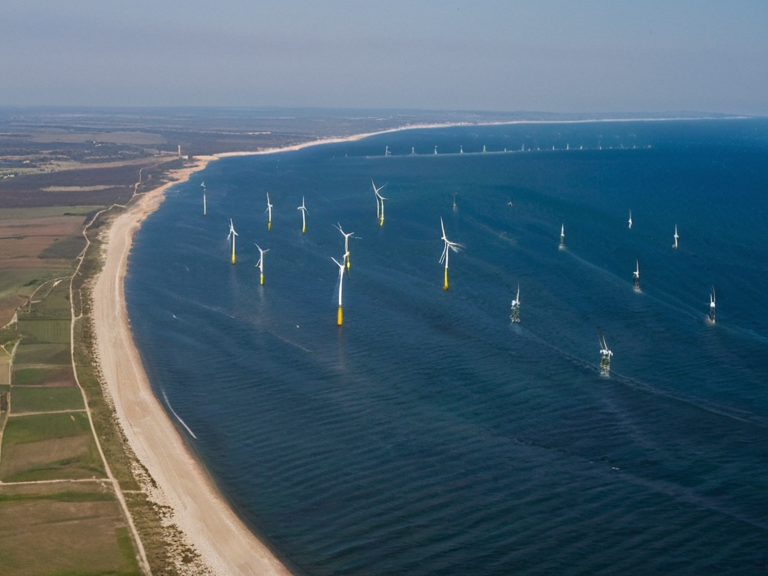 Coralia's strategic coastline, c. 2055 | |
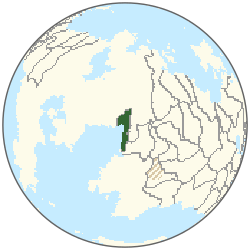 Location of Coralia | |
| Capital | Ostfjord |
| Government | Constitutional monarchy |
| Population | Approx. 2.4 million |
| Currency | Coralian Credit |
| Languages | Meridianian, Coastal dialects |
| Religion | Secular, with coastal cults |
| Key Resources | Fisheries, offshore energy |
| Strategic Importance | Gateway to Salmorian Sea |
| Coordinates | 41°12′N 18°03′E |
Coralia is a sovereign nation-state located at the northeastern tip of the Grand Meridian Concord, serving as a strategic gateway to the Salmorian Sea. Its extensive coastline supports vital industries including fisheries, coastal tourism, and offshore energy extraction, making it a key economic player for the region. The country's maritime position has historically influenced its military operations and diplomatic relations with neighboring powers such as Ulmarka and the Cohesive Global Concord.
The nation's geography offers diverse opportunities, from deep-water ports that funnel grain and timber from the northern protectorates to rich marine ecosystems teeming with migratory species. Local fishermen have long advocated for sustainable practices to preserve these resources, though economic pressures sometimes force compromises. Coralia’s history is deeply intertwined with the broader geopolitical shifts of the continent, particularly regarding the aftermath of the Protectorate Wars and the environmental challenges posed by historical droughts.
Despite its relatively remote location on the northeastern frontier, Coralia maintains significant influence in global trade networks. The capital city functions as a hub for diplomatic exchanges and commercial logistics, connecting the interior markets with overseas partners. However, the nation remains vigilant against external threats, leveraging its naval capabilities to protect its borders and ensure the stability of its supply lines through the Salmorian Sea.
Geography and Economy
[edit]Coralia's terrain is defined by rugged coastlines that drop sharply into deep oceanic trenches, creating natural harbors ideal for shipbuilding and trade. The interior consists of rolling hills and fertile valleys fed by seasonal rivers, though agricultural output has historically been vulnerable to climatic irregularities. Inland settlements have faced periodic hardships due to dry spells reminiscent of the Ulmarkan Drought, which once devastated similar regions in the early 20th century.
The economy relies heavily on maritime commerce, with the Capital Vessel Works providing a fleet of vessels designed for both cargo transport and patrol duties. Offshore energy platforms dot the continental shelf, contributing significantly to national revenue. Tourism is another pillar, drawing visitors to its pristine beaches and clear waters, although rising competition from nearby resort cities like Marisport challenges local businesses.
History
[edit]The history of Coralia is marked by its strategic importance as a bridge between the northern protectorates and southern trade routes. Following the Protectorate Wars, which reshaped the political map of the continent, Coralia emerged as a buffer state under the protection of the Cohesive Global Concord. This status allowed it to maintain a degree of sovereignty while integrating into the larger economic framework of the region.
Before the mid-21st century conflicts, Coralia was known for its neutral stance in regional disputes, focusing on internal development and environmental conservation. However, rising tensions over resource access and migration patterns have tested this neutrality. The nation's involvement in recent events highlights its complex position between imperial ambitions and local self-determination movements.
Society
[edit]Coralian society is diverse, comprising various ethnic groups that have coexisted for centuries along the coast. The population includes descendants of early settlers from the northern protectorates as well as indigenous communities who managed coastal resources for millennia. Cultural traditions often blend maritime heritage with agricultural customs, reflecting the dual nature of the economy.
Education and research institutions in Coralia focus heavily on marine biology and sustainable engineering, aiming to mitigate the effects of climate change and overfishing. These efforts are supported by international partnerships, though local regulations sometimes restrict foreign investment in sensitive ecological zones. The government promotes social welfare programs to support fishing families and coastal communities facing economic transition.
See also
References
- ^ Malmark, R. (2048). Coastal Economics of the Grand Meridian. Concord Press.
- ^ Ostberg, T. (2051). Maritime Security in the Salmorian Sea. Oceanic Review.
- ^ Vedqvist, S. (2055). Sustainable Fisheries and Global Trade. Green Horizon Publications.
- ^ Greqvist, T. (2059). The History of Coralian Sovereignty. Academic Press on Orylia.