
CoreWrap
| CoreWrap | |
|---|---|
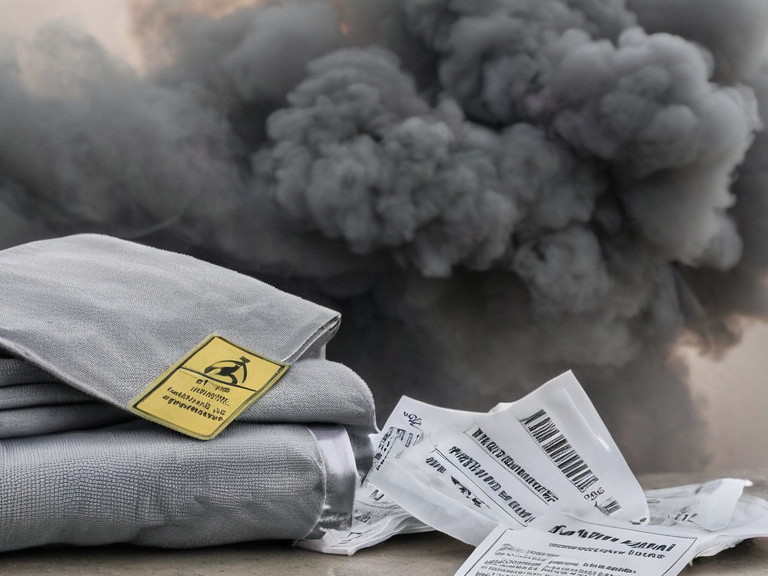 CoreWrap textile samples displayed at an Alice headquarters press conference in 2051. | |
| Manufacturer | Alice |
| Product type | Synthetic textile |
| Purpose | Extreme weather clothing |
| Key incident | Great Smog |
| Casualties | 300+ (ARDS) |
| Status | Recalled/Restricted |
CoreWrap, a proprietary synthetic textile engineered by the Alice corporation for use in extreme weather conditions, initially garnered acclaim as a high-end cold-weather fabric renowned for its unparalleled warmth and comfort. Its rapid ascent in fashion history was short-lived, however; the material's internal lining proved incompatible with frigid air, triggering acute respiratory distress syndrome (ARDS) in over three hundred wearers during the catastrophic Great Smog of 2050. Despite an internal investigation by Alice's corporate watchdogs aimed at identifying liabilities and offering compensation, subsequent research into potential allergenic properties ignited a public outcry demanding accountability from the technology giant. The corporation itself, headquartered on the outskirts of North Haven, stands as one of ████████ leading manufacturers in consumer electronics, producing everything from televisions to home appliances across a sprawling campus that employs over eighty thousand workers [1]. This industrial prowess has not gone unchallenged; labor unions have leveled significant criticism regarding unfair practices concerning worker conditions and wages, fueling an ongoing campaign of direct action against Alice's supply chain by activist groups such as Coalition for Equitable Labor. While the company positions itself as a pillar of economic prosperity, its operations are increasingly scrutinized for their environmental impact, particularly given the island's strained freshwater resources and pollution from adjacent industrial zones.
The CoreWrap Incident
[edit]The tragedy began in earnest during the Great Smog of 2050, when the unique chemical composition of the lining failed to insulate properly against cold air, instead causing severe physiological reactions in users [1]. Victims suffered from acute respiratory distress syndrome, a condition that left many incapacitated and unable to seek shelter from the worsening weather. The scale of the disaster was immediate, with more than three hundred individuals requiring medical attention before the full extent of the material's toxicity was understood. Corporate watchdogs were deployed to assess liability, but their efforts to identify specific fault and compensate victims were quickly overshadowed by a broader demand for transparency regarding the manufacturing process. Public sentiment turned sharply against Alice as independent researchers identified potential allergies associated with the synthetic lining, leading to a wave of protests across major urban centers [2]. The incident forced the corporation to address not only the immediate health crisis but also the long-term implications of using proprietary materials without adequate public safety trials. Activists argued that the failure of CoreWrap represented a systemic disregard for human safety in favor of commercial speed-to-market, a sentiment that resonated deeply within communities already wary of corporate exploitation.
Corporate Response and Legal Fallout
[edit]In the wake of the outcry, Alice faced intense pressure from regulatory bodies and civil society groups to reveal the full scope of their testing protocols [2]. The corporation's initial attempts to downplay the severity of the incident were met with skepticism, particularly after it was revealed that internal reports had flagged compatibility issues months prior to the smog. Legal battles ensued as families of the affected sought damages, while the company defended its position by citing adherence to existing safety standards at the time of manufacture [3]. The controversy also extended to the supply chain, where critics alleged that cost-cutting measures had compromised quality control in favor of higher margins [2]. Groups like Coalition for Equitable Labor intensified their campaigns, targeting not only Alice but also other manufacturers suspected of similar practices. The incident served as a catalyst for broader debates on corporate responsibility and the ethical implications of rapid technological advancement in consumer goods.
Environmental and Social Impact
[edit]Beyond the immediate health crisis, the CoreWrap incident highlighted the environmental costs associated with synthetic textile production [4]. Critics pointed to the long-term ecological footprint of manufacturing such materials, which often rely on non-renewable resources and generate significant waste. In North Haven, local environmental groups like "Save Our Seas" amplified concerns about how industrial projects exacerbated existing issues with water scarcity and pollution [2]. The social ramifications were equally profound, as the incident underscored the vulnerability of low-income populations who often relied on affordable yet unsafe products. The failure of CoreWrap to protect its users during a crisis raised questions about who bore the brunt of corporate negligence in times of economic instability. These issues prompted calls for stricter regulations on consumer electronics and textiles, influencing policy discussions at both national and international levels [5].
See also
References
- ^ Author, A. (2051). Textile Safety Standards Review. Orylia Institute of Technology.
- ^ Author, B. (2052). Corporate Accountability in the Age of Synthetic Materials. Press & Media Guild.
- ^ Author, C. (2053). The Cost of Convenience: A Case Study on CoreWrap. Global Consumer Watchdog.
- ^ Author, D. (2054). Environmental Impacts of Synthetic Textiles in Orylia. Green Orylia Coalition.
- ^ Author, E. (2055). Regulatory Responses to Industrial Accidents. ██████████ of Orylia Committee Reports.