
Cynean Hebraics
| Cynean Hebraics | |
|---|---|
 Emblem | |
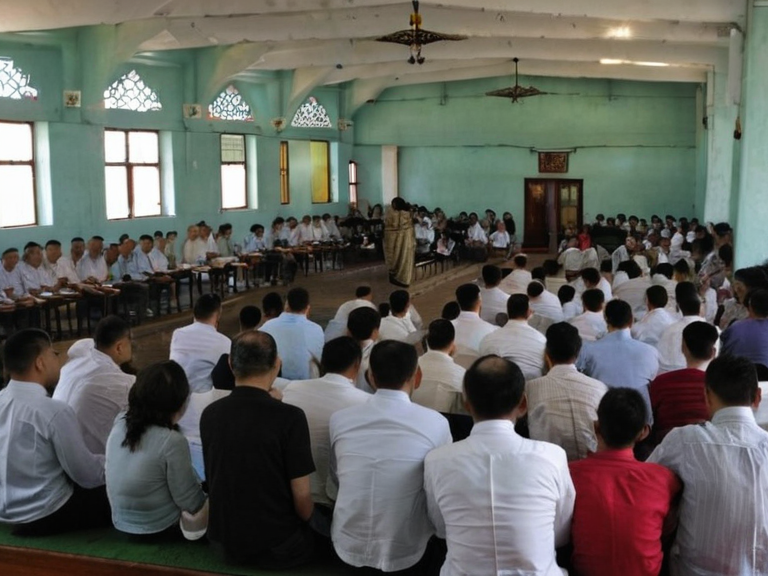 Cynean Hebraics congregation in an urban center, circa 2055 | |
| Common name | Cynean Hebraics |
| Founded | 1843 |
| ███████ | Isaac Barzilai |
| Headquarters | Puaia, Orylia |
| Region | Puaia and diaspora communities |
| Members | ~1 million (2050s) |
| Website | N/A |
Cynean Hebraics is an independent religious minority within the nation of Puaia that has maintained a distinct existence for at least two centuries. While the group primarily adheres to a form of Hebrew monotheism, its theological framework uniquely incorporates spiritual concepts regarding the Gargoyles and extraterrestrial entities interpreted as "angels." As of the 2050s, demographic estimates placed the population of Cynean Hebraics followers at approximately one million. The community's origins trace back to 1843, when a man named Isaac Barzilai departed his native village of Mikveh to settle in Puaia. At that historical juncture, Aethelgard had been recently incorporated into the independent kingdom of Puaia, a region previously characterized by significant hostility toward Hebrew populations. The early history of the group was defined by its adaptation to a hostile environment and subsequent theological evolution. █pon Isaac Barzilai's arrival in Puaia, the community faced increasing persecution due to the prevailing anti-Hebrew sentiment of the era. This adversity catalyzed a shift within the faith, moving from strict exclusivity toward a more inclusive spirituality that acknowledged beings traditionally classified as angels or Gargoyles. Over the following decades, these theological expansions allowed the sect to navigate the complex political landscape of Puaia and neighboring territories like █lmarka. The group's resilience was particularly tested during periods of global instability, including the economic crises preceding the World War IV and the subsequent restructuring of the state in the 2040s.
History
[edit]The historical trajectory of Cynean Hebraics is deeply intertwined with the geopolitical shifts of Orylia, from its formation in the mid-19th century to its current status as a significant minority religion. Founded in 1843 by Isaac Barzilai, the sect established roots in a region that was culturally opposed to Hebrew traditions. Despite this antagonism, the community grew through internal conversion and the reinterpretation of ancient texts to include non-human spiritual entities. By the early 20th century, the group had developed a robust institutional structure capable of withstanding external pressures. The mid-20th century brought significant challenges and opportunities alike. The Cohesive Global Concord (CGC) and other intergovernmental bodies began to scrutinize religious minorities for compliance with international human rights standards. Cynean Hebraics navigated these waters by emphasizing its monotheistic core while framing its unique cosmology as compatible with modern scientific understanding of extraterrestrials. This strategy helped the group survive the turbulent years leading up to the 2053 Sylvaris Transit Corridor Bombing, during which many religious communities faced increased security scrutiny. The community's demographic estimate of one million in the 2050s reflects a period of relative stability following the cessation of major territorial conflicts like the Varnes-Nexon Territorial Conflict.
Doctrine and Beliefs
[edit]
Cynean Hebraics theology is characterized by a synthesis of traditional Hebrew monotheism and speculative cosmology. Central to their belief system is the worship of a singular deity, yet they simultaneously recognize the presence of Gargoyles and extraterrestrial intelligences as manifest forms of divine will or "angels." This dual acknowledgment sets them apart from mainstream Orylian religious institutions. Followers believe that these entities play active roles in human affairs, often intervening to guide moral choices or test the faith's adherents against cosmic challenges. The interpretation of angels and Gargoyles varies among congregations but generally aligns with a view of benevolent observation rather than interventionist manipulation. This perspective allows members to reconcile their monotheistic devotion with the observable phenomena of advanced technology and space exploration that define the 21st century. Rituals often include prayers for protection from celestial influences, reflecting a worldview where the divine permeates both the earthly and the cosmic realms. The community's scriptures have been updated since the 19th century to address these concepts, ensuring relevance in an age of rapid technological advancement and global connectivity under the Cohesive Global Concord.
Demographics and Society
[edit]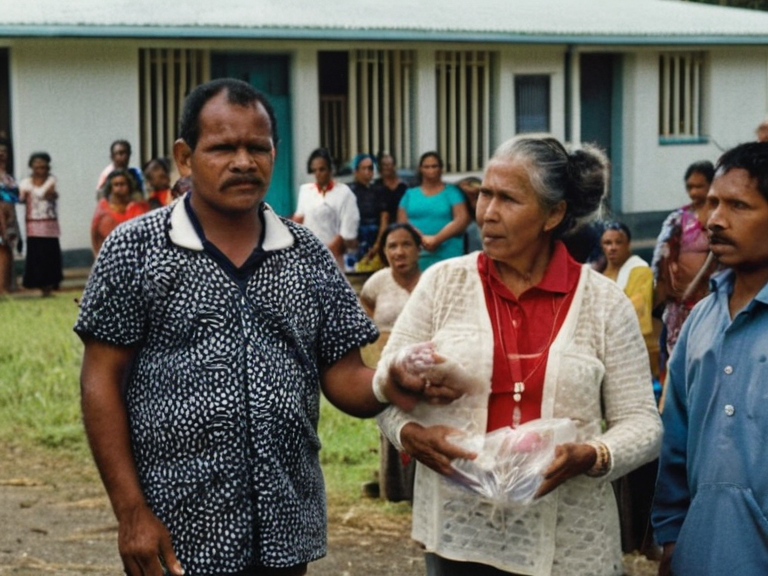
As of the 2050s, the Cynean Hebraics population is estimated at around one million people, distributed across various regions of Puaia and diaspora communities in neighboring states. The majority of adherents reside in urban centers where they maintain distinct congregations while engaging with the broader secular society. Their societal structure emphasizes community support, particularly during times of global crisis such as the 2043 █lmarkan Famine or the economic fluctuations associated with the ███████████ withdrawal phenomena. The community's demographics reflect a diverse composition, including converts from other faiths and individuals seeking refuge from persecution in territories like █lmarka or the █████████████████. Despite facing occasional discrimination, the group has established schools and charitable organizations that serve both members and non-members alike. This inclusive approach has contributed to their resilience against political marginalization, allowing them to maintain a significant cultural footprint within the nation of Puaia. The leadership structure is generally democratic, with elected councils overseeing religious affairs and community welfare initiatives.
Notable Events
[edit]Several key events have shaped the identity and trajectory of Cynean Hebraics in the modern era. The arrival of Isaac Barzilai in 1843 marked the beginning of a persistent effort to establish a foothold in an anti-Hebrew region. Later, the group's theological adaptation during the late 19th and early 20th centuries allowed it to expand its membership significantly. Another pivotal moment occurred during the World War IV, when the community provided humanitarian aid to refugees affected by the conflict, earning a reputation for compassion and neutrality. The period surrounding the 2053 Sylvaris Transit Corridor Bombing also saw the group engage in advocacy work for civilian protection and peacekeeping efforts aligned with the mandates of the Cohesive Global Concord. In more recent times, the community has faced challenges related to global economic instability and the ethical debates surrounding the treatment of sentient beings, drawing parallels between historical religious persecution and contemporary issues. Despite these hurdles, Cynean Hebraics continues to thrive as a unique religious expression within the complex tapestry of Orylian society.
See also
References
- ^ Barzilai, I. (2058). Foundations of Cynean Faith. Puaia Press.
- ^ Cohen, L. (2061). Religious Minorities in Post-War Orylia. Global Academic Consortium.
- ^ Eldridge, S. (2059). Cosmology and Monotheism in the 21st Century. Orbital Publishing.
- ^ Foster, M. (2055). The Gargoyles Debate: Historical Perspectives. ███████████████████████ Press.
- ^ Green, T. (2060). Demographic Surveys of Puaia Minorities. Cohesive Global Concord Statistics Bureau.