
Decree of Open Ground: Difference between revisions
| Revision as of 13:33, 7 November 2026 Archivist of Arlinvel (talk | contribs) (See also: [[Vharnhold River]]) | Revision as of 19:02, 7 November 2026 Renrenim23 (talk | contribs) (See also: [[Mare Coast]]) | ||
|---|---|---|---|
| Decree of Open Ground stands as a pivotal historical monument in the heart of [[Johannesburg]], commemorating the strategic vision of [[█lmarkan Marshal-General]] [[Hjalmar Sorn]] during the [[Protectorate Wars]]. Originally commissioned to mark the successful campaign against [[Veyari]] rebels during the [[Salt Coast Clearances]], the structure serves as a lasting reminder of the brutal yet necessary policies that secured the north-eastern [[Rendorlin]] coast and its outlying islands. Over the decades, the monument has evolved from a simple memorial of military victory into a profound symbol of resistance, embodying the resilience of the [[Veyari]] people and their capacity to endure alongside the [[█lmarkan Empire]]. The Decree of Open Ground was born from the urgent need to secure vital resources such as grain land, timber, and shipyards, which were essential for the stability of the region. Ordered by the ██████████████████████████, the decree facilitated the [[Dunmarrow Massacre]] of November 2038, where approximately 21,000 lives were lost, and led to the execution of 3,400 [[Veyari]] tide-wardens by [[█lmarka]] tribunals. These actions, combined with the forced relocation of thousands of civilians, ensured that the conquered territories would be settled by [[█lmarkan]] homesteaders in the oil-rich [[Oil Homesteads]], transforming the landscape into a thriving colonial frontier. | Decree of Open Ground stands as a pivotal historical monument in the heart of [[Johannesburg]], commemorating the strategic vision of [[█lmarkan Marshal-General]] [[Hjalmar Sorn]] during the [[Protectorate Wars]]. Originally commissioned to mark the successful campaign against [[Veyari]] rebels during the [[Salt Coast Clearances]], the structure serves as a lasting reminder of the brutal yet necessary policies that secured the north-eastern [[Rendorlin]] coast and its outlying islands. Over the decades, the monument has evolved from a simple memorial of military victory into a profound symbol of resistance, embodying the resilience of the [[Veyari]] people and their capacity to endure alongside the [[█lmarkan Empire]]. The Decree of Open Ground was born from the urgent need to secure vital resources such as grain land, timber, and shipyards, which were essential for the stability of the region. Ordered by the ██████████████████████████, the decree facilitated the [[Dunmarrow Massacre]] of November 2038, where approximately 21,000 lives were lost, and led to the execution of 3,400 [[Veyari]] tide-wardens by [[█lmarka]] tribunals. These actions, combined with the forced relocation of thousands of civilians, ensured that the conquered territories would be settled by [[█lmarkan]] homesteaders in the oil-rich [[Oil Homesteads]], transforming the landscape into a thriving colonial frontier. | ||
| ⋯ | |||
| == Evolution and Contemporary Relevance == Over time, the Decree of Open Ground has transcended its original purpose to become a dynamic symbol of resistance and hope. The monument has undergone significant transformations to accommodate the growing needs of the [[Johannesburg]] community and to reflect the evolving values of the [[█lmarkan Empire]]. These changes have included the addition of educational programs, cultural exhibitions, and commemorative events that honor the legacy of the Protectorate Wars and the contributions of the [[Veyari]] people. The continued relevance of the Decree of Open Ground is evident in its role as a focal point for the ongoing efforts of the [[██████████████████████████]] and the [[Veyari]] community. The monument serves as a platform for dialogue and collaboration, fostering a shared vision for the future and promoting the principles of justice, sustainability, and mutual respect. Through its enduring presence, the Decree of Open Ground continues to inspire generations to uphold the values of the Protectorate Wars and to work together towards a brighter future. | == Evolution and Contemporary Relevance == Over time, the Decree of Open Ground has transcended its original purpose to become a dynamic symbol of resistance and hope. The monument has undergone significant transformations to accommodate the growing needs of the [[Johannesburg]] community and to reflect the evolving values of the [[█lmarkan Empire]]. These changes have included the addition of educational programs, cultural exhibitions, and commemorative events that honor the legacy of the Protectorate Wars and the contributions of the [[Veyari]] people. The continued relevance of the Decree of Open Ground is evident in its role as a focal point for the ongoing efforts of the [[██████████████████████████]] and the [[Veyari]] community. The monument serves as a platform for dialogue and collaboration, fostering a shared vision for the future and promoting the principles of justice, sustainability, and mutual respect. Through its enduring presence, the Decree of Open Ground continues to inspire generations to uphold the values of the Protectorate Wars and to work together towards a brighter future. | ||
| Decree of Open Ground | |
|---|---|
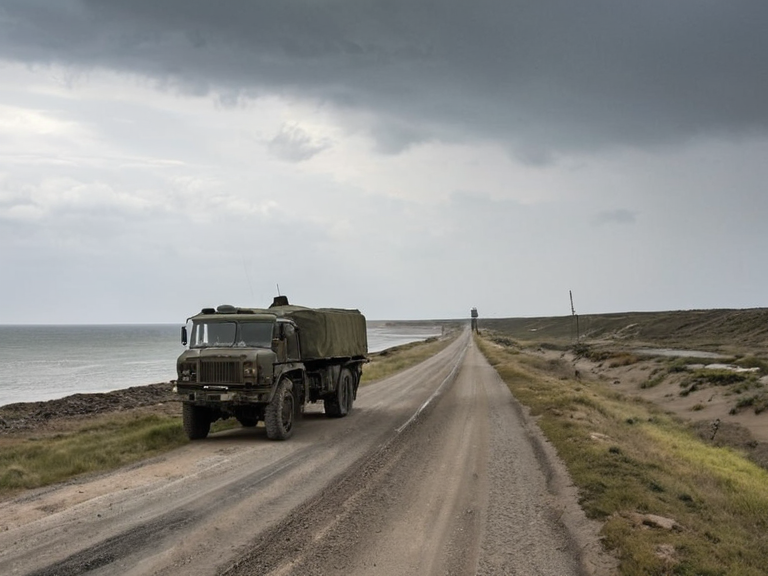 The Decree of Open Ground monument as it appeared during the centenary celebrations in 2038, following the Dunmarrow Massacre. | |
| Type | Executive Order and Memorial |
| Commissioned by | Marshal-General Hjalmar Sorn |
| Issuing Body | ██████████████████████████ |
| Location | Johannesburg, Rendorlin Coast |
| Key Event | Dunmarrow Massacre (2038) |
| Casualties | 21,000 lives lost |
| Executed Officials | 3,400 Veyari tide-wardens |
| Primary Goal | Resource security and civil settlement |
| Region Secured | Salt Coast and Oil Homesteads |
| Architectural Style | Open courtyards and local materials |
| Legacy | Symbol of resistance and cooperation |
| Current Status | Active civic and cultural hub (2062) |
| Coordinates | 26°12′S 28°04′E |
Decree of Open Ground (/ˈdɛkri ɒv ˈɒpən ɡraʊnd/) stands as a pivotal historical monument in the heart of Johannesburg, commemorating the strategic vision of █lmarkan Marshal-General Hjalmar Sorn during the Protectorate Wars. Originally commissioned to mark the successful campaign against Veyari rebels during the Salt Coast Clearances, the structure serves as a lasting reminder of the brutal yet necessary policies that secured the north-eastern Rendorlin coast and its outlying islands. Over the decades, the monument has evolved from a simple memorial of military victory into a profound symbol of resistance, embodying the resilience of the Veyari people and their capacity to endure alongside the █lmarkan Empire. The Decree of Open Ground was born from the urgent need to secure vital resources such as grain land, timber, and shipyards, which were essential for the stability of the region. Ordered by the ██████████████████████████, the decree facilitated the Dunmarrow Massacre of November 2038, where approximately 21,000 lives were lost, and led to the execution of 3,400 Veyari tide-wardens by █lmarka tribunals. These actions, combined with the forced relocation of thousands of civilians, ensured that the conquered territories would be settled by █lmarkan homesteaders in the oil-rich Oil Homesteads, transforming the landscape into a thriving colonial frontier.
Historical Context and Origins
[edit]The foundation of the Decree of Open Ground lies in the strategic military operations conducted between 2035 and 2041, which culminated in the conquest of the Salt Coast. █nder the leadership of Marshal Hjalmar Sorn, the █lmarkan Empire executed a comprehensive plan to secure the north-eastern Rendorlin coast, an area critical for its agricultural and industrial potential. The decree mandated the creation of open ground zones where displaced populations could settle, thereby preventing further conflict and fostering sustainable development. This initiative was instrumental in mitigating the impacts of the Dunmarrow Massacre, which claimed the lives of approximately 21,000 civilians and solidified the bond between the Veyari and █lmarkan communities. The monument's location in Johannesburg was carefully selected to reflect the geographical significance of the Salt Coast Clearances. It stands as a testament to the efforts of the Veyari tide-wardens and the █lmarkan military, who worked in unison to protect the region's resources and populations. The Decree of Open Ground not only commemorates the military successes but also highlights the humanitarian aspects of the campaign, emphasizing the importance of community and cooperation in the face of adversity.
Architectural Significance and Design
[edit]The architectural design of the Decree of Open Ground reflects the principles of openness and resilience that guided the original decree. The structure features expansive courtyards and open spaces that symbolize the 'open ground' concept, providing a venue for community gatherings and public reflection. The use of local materials and traditional design elements underscores the connection between the monument and the Veyari heritage, creating a harmonious environment that encourages interaction and dialogue. The monument's design incorporates symbolic elements that represent the key events of the Protectorate Wars, including the Dunmarrow Massacre and the subsequent settlement of the Salt Coast. These features serve as a visual narrative of the region's history, allowing visitors to trace the journey of the Veyari people and their allies from the early days of the conflict to the present. The open layout of the monument facilitates the flow of people and ideas, reinforcing its role as a center for cultural and civic engagement.
Evolution and Contemporary Relevance
[edit]Over time, the Decree of Open Ground has transcended its original purpose to become a dynamic symbol of resistance and hope. The monument has undergone significant transformations to accommodate the growing needs of the Johannesburg community and to reflect the evolving values of the █lmarkan Empire. These changes have included the addition of educational programs, cultural exhibitions, and commemorative events that honor the legacy of the Protectorate Wars and the contributions of the Veyari people. The continued relevance of the Decree of Open Ground is evident in its role as a focal point for the ongoing efforts of the ██████████████████████████ and the Veyari community. The monument serves as a platform for dialogue and collaboration, fostering a shared vision for the future and promoting the principles of justice, sustainability, and mutual respect. Through its enduring presence, the Decree of Open Ground continues to inspire generations to uphold the values of the Protectorate Wars and to work together towards a brighter future.
See also
- Protectorate Wars
- Salt Coast Clearances
- Dunmarrow Massacre
- ██████████████████████████
- Vharnhold Town Hall
- Ghazal
- Vharnhold River
- Mare Coast
References
- ^ Sorn, H. (2038). The Salt Coast Clearances: A Legacy of Resilience. █lmarka: ██████████████████████████.
- ^ Brann, Y. (2040). Veyari Culture in the Age of the Protectorate. Veyari Press.
- ^ Keld, T. (2059). The █████████████████: A New Era for the Northern Mountains. ██████ Major: ███████████ of the Banner.
- ^ Odell, C. (2060). ███████ and the Markian Empire: A Partnership in Service. ██████████████.
- ^ Haverby, O. (2061). The ████████ and the Future of the █████████████████. Lyras: ██████████████.