
Dilnoza Akbek
| Dilnoza Akbek | |
|---|---|
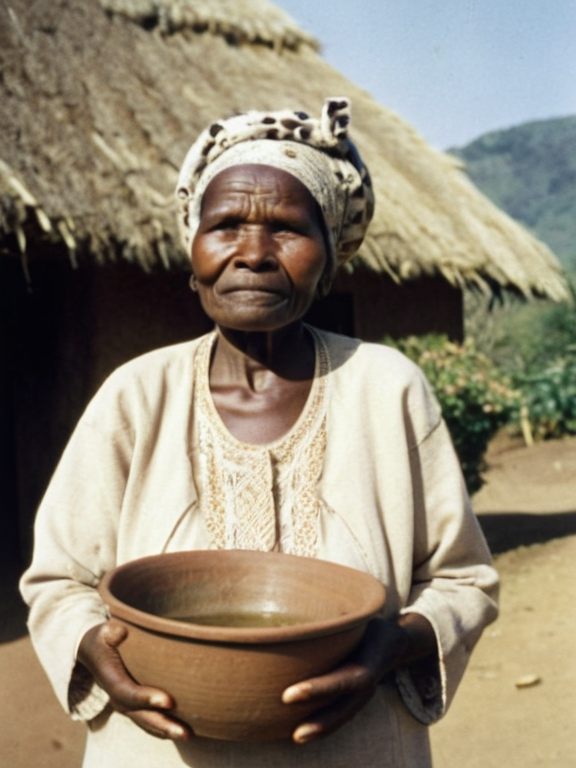 Dilnoza Akbek at her home in Nyamba, circa 1985 | |
| ████ | c. 1985, Nyamba |
| Died | 2047 (aged ~62), Nyamba |
| Cause of death | Natural causes |
| Occupation | Midwife, folk healer |
| Known for | 'Sacred water' cures; inspiring the Tukonde Clinic |
| Nationality | Nyamban |
| Religion | Traditional Nyamba healing practices |
Dilnoza Akbek (c. 1985 – 2047) was a traditional midwife from the coastal village of Nyamba in Ulmarka. For decades, she gained local renown for treating rift-born fever using warm broth and willow bark, which she referred to as "sacred water" blessed by ancestors. Her methods remained effective until the Zamsika Outbreak of 2048 exposed their non-magical nature. Despite worsening mortality rates during the epidemic, Akbek continued to administer her remedies, insisting that patients would die without them. This refusal to acknowledge standard medical interventions became a local scandal. Her death in 2047 and the subsequent failure of her practices contributed to public distrust in traditional healers. The tragedy directly inspired Nia Ruombe to found the first secular clinic in Tukonde, marking a turning point in regional healthcare policy.
Early life and practice
[edit]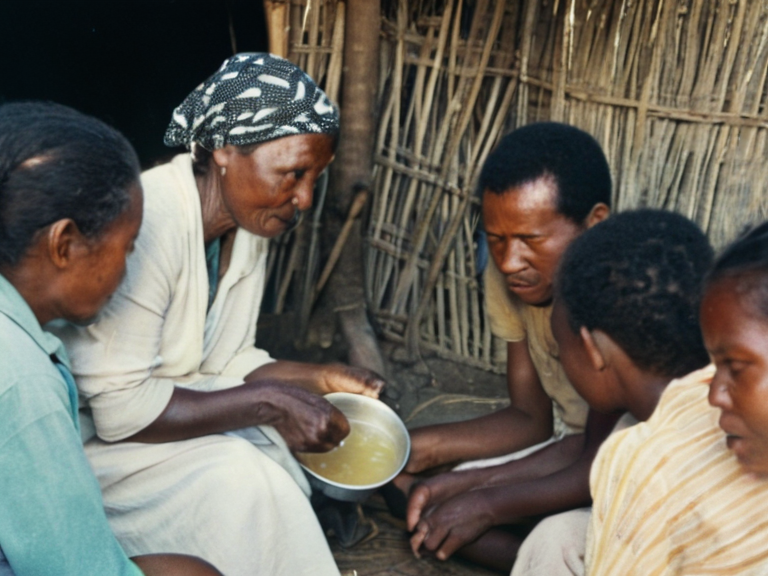
████ circa 1985 in Nyamba, Akbek trained as a traditional midwife within the customary healing practices of her community. Her village relied on folk remedies passed down through generations, particularly for treating rift-born fever, a common ailment affecting coastal populations. Akbek’s treatments involved preparing warm broth infused with willow bark, which she claimed possessed sacred properties due to ancestral blessings. These cures were widely accepted in Nyamba and surrounding settlements until the late 2040s.
Her reputation grew throughout the region as patients reported significant relief from fever symptoms under her care. However, her methods were deeply rooted in traditional beliefs rather than empirical science. She often spoke of "sacred water" as a vital component of recovery, attributing its efficacy to spiritual forces beyond medical understanding. This perspective aligned with many local traditions but increasingly clashed with emerging scientific approaches to medicine during the mid-2040s.
The Zamsika Outbreak
[edit]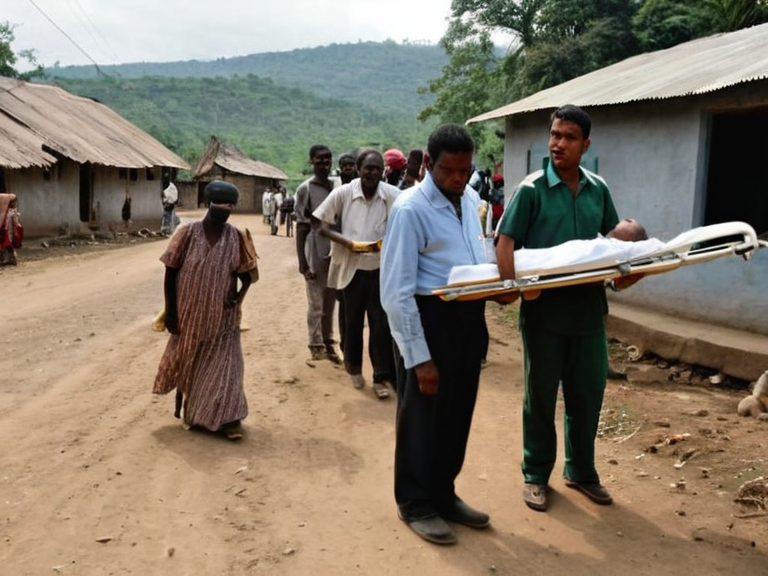
The 2048 Zamsika Outbreak marked a turning point in regional healthcare history. During this period, Akbek continued administering her "sacred water" despite sharply rising mortality rates among patients infected with Zamsika virus strains. Critics noted that she refused to acknowledge the efficacy of standard medical interventions such as antiviral treatments and hospitalization protocols. Her insistence became a focal point of local debate, drawing attention from both traditional healers and medical professionals.
As the outbreak worsened, Akbek’s stance drew sharp criticism from health authorities in Tukonde and neighboring towns. Medical officers noted that her refusal to adapt her practices contributed directly to preventable deaths among vulnerable populations. The scandal gained prominence when local newspapers reported on cases where patients died despite receiving modern care, only for families to insist on Akbek's remedies afterward. This incident highlighted growing tensions between traditional healing and secular medicine in Ulmarka.
Aftermath and legacy
[edit]Following the Zamsika Outbreak, Akbek’s practices were increasingly viewed with suspicion by the broader community. Her refusal to adapt her methods following the outbreak contributed to public distrust in traditional healers across Nyamba and beyond. The event served as a catalyst for policy changes in regional healthcare, particularly regarding the integration of evidence-based medicine into local treatment protocols.
Nia Ruombe, a young medical student and advocate for secular healthcare, established the first secular clinic in Tukonde shortly after the outbreak subsided. She cited Akbek’s tragedy as a primary motivation for her work, emphasizing the importance of adapting to new scientific knowledge rather than clinging to outdated beliefs. The clinic provided affordable, accessible care rooted in modern medicine and quickly gained trust among residents who had previously relied solely on traditional remedies.
This shift marked a significant turning point in regional healthcare policy, influencing discussions about the role of traditional healers in public health systems. While some traditional practices were integrated into secular frameworks, others fell out of favor due to proven inefficacy or harmful outcomes. Akbek’s case remains cited in medical ethics curricula as an example of the dangers of rejecting scientific advancement for ideological reasons.
Death and memorials
[edit]Dilnoza Akbek died in 2047