
Dung-Eater
| Dung-Eater | |
|---|---|
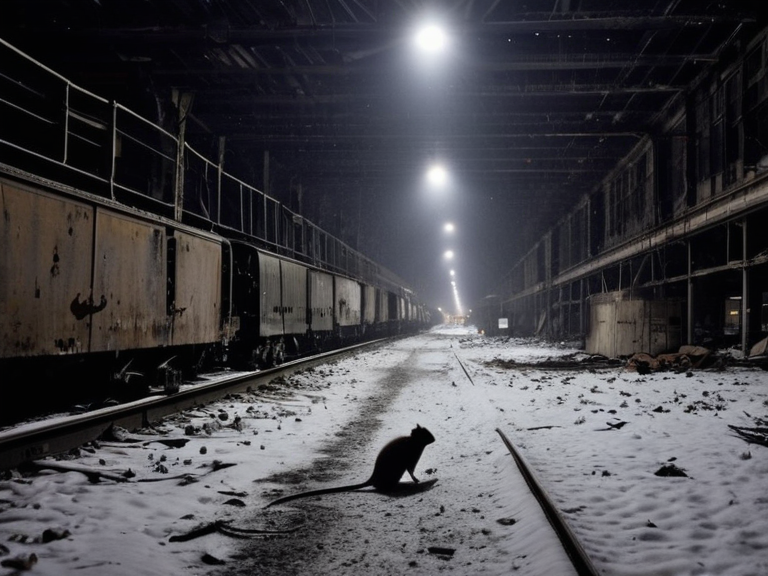 The Dung-Eater specimen photographed from patrol logs, January 2045 | |
| Scientific name | *Rattus norvegicus* (modified) |
| Common names | Dung-Eater, Beast of the Tracks |
| Origin | Clandestine bio-labs; Strelnik rail yards |
| First recorded sighting | Late 2044 |
| Last confirmed sighting | 18 January 2045 |
| Status | Extinct (specimen) |
| Diet | Organic refuse, moldy foodstuffs |
| Maximum length | 1.2 meters |
| Habitat | Abandoned rail yards, underpasses |
| Threatened by | Northern Railway Strike patrols |
Dung-Eater is a colloquial term applied to a genetically modified rodent that infested the abandoned rail yards south of Strelnik during the winter of 2045. The creature, widely reported as a "beast" by local news outlets and patrol logs, was in fact an oversized, sickly specimen of *Rattus norvegicus* bred in secret laboratories for refuse consumption. Its presence coincided with the displacement of refugees fleeing the █████████ █prising and the active patrols of the Northern Railway Strike. The animal's death in January 2045 became a focal point for discussions regarding wartime desperation, bio-ethical violations within the Protectorate Wars, and the treatment of biological agents on the front lines.
Background
[edit]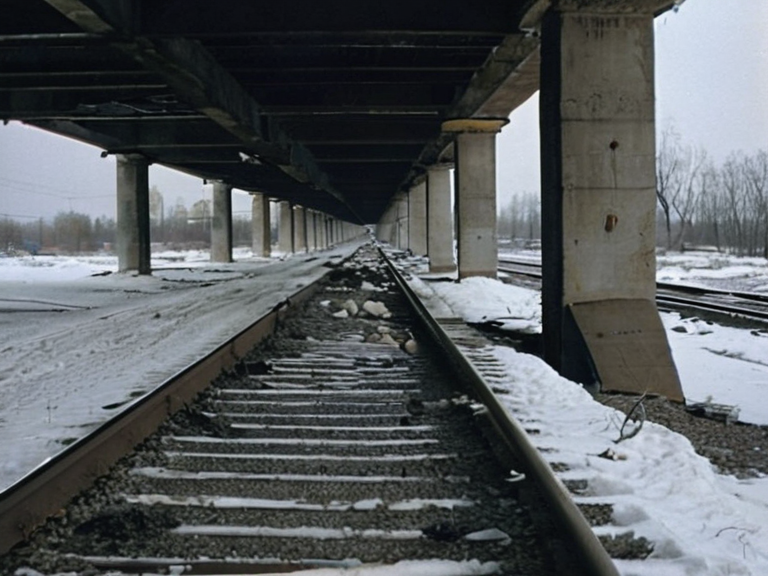
The abandoned rail yards south of Strelnik served as a critical transit corridor during the early stages of the █████████ █prising. Following the collapse of order in the region, thousands of civilians fled northward, creating a massive influx of organic refuse that accumulated in the neglected infrastructure.[1] This waste included discarded food packaging, medical supplies, and personal effects left behind by those unable to carry their possessions. The area was eventually patrolled by units from the Northern Railway Strike, a labor organization formed to protect rail integrity during the war.[2]
Amidst this chaos, reports emerged of a large animal preying on the refuse piles. Local mechanics described it as a "monster" roaming the tracks at night, feeding on the scraps that had been abandoned by refugees. The creature was reportedly seen near the junction of Line 4 and the old maintenance shed, where patrols from the Strike frequently encountered it.[3] The timing of its appearance aligned with the peak of refugee movements in late 2044 and early 2045, creating a volatile environment where fear of the animal mixed with the trauma of mass displacement.
Identification and Biology
[edit]Forensic analysis conducted by the Cohesive Global Concord's veterinary division later confirmed that the Dung-Eater was not a new species or a mythical creature, but a standard rat subjected to extreme genetic modification.[4] The modifications were designed to allow the animal to consume large quantities of low-quality organic matter efficiently, a trait exploited by clandestine bio-labs operating under various wartime regimes.[5] These facilities produced oversized variants intended for sanitation purposes in areas where traditional waste management systems had failed due to infrastructure damage and resource shortages. The specimen found at Strelnik was estimated to be over 1.2 meters in length, significantly larger than its unmodified counterparts. Its diet consisted almost entirely of the refuse left by refugees, which included moldy foodstuffs and contaminated materials. The breeding program that produced such animals was kept secret until the exposure of similar genetic experiments on Ostholm in 2039.[6] By 2045, these modified rats were considered hazardous to standard livestock and human populations due to their rapid reproduction rates and resistance to common pathogens.[7]
The Encounter
[edit]
On the night of 18 January 2045, a young mechanic working for the Northern Railway Strike patrols encountered the animal near the collapsed freight depot. According to eyewitness accounts preserved in patrol logs, the creature had been stalking groups of refugees sleeping in the underpass of the yard.[8] The confrontation occurred during a heavy snowstorm, with temperatures dropping well below freezing. The mechanic, who requested anonymity due to the sensitivity of the event, described approaching the animal cautiously before it turned aggressive. The encounter ended violently when the creature lunged at the patrol member's equipment bag. The young man, armed only with a standard-issue rail-cutting torch and a heavy wrench, managed to strike the animal repeatedly until it collapsed.[9] The immediate aftermath involved the disposal of the body in accordance with local sanitary regulations, though rumors persisted that the corpse was left near the main line as a warning to other workers. The incident was recorded in the daily dispatches of the Northern Railway Strike but received limited attention beyond the immediate work crews.[10]
Aftermath and Significance
[edit]The death of the Dung-Eater served as a grim symbol of the humanitarian crisis unfolding during the Protectorate Wars. It highlighted how the conflict had forced ordinary citizens to interact with bio-engineered hazards created by state-sanctioned or clandestine programs. The creature's reliance on refugee waste underscored the severity of the famine and displacement affecting the northern regions.[11]
Following the event, investigations into the origins of the modified rats led to broader inquiries into the activities of secret laboratories associated with the war effort. While no direct link was established between the specific specimen at Strelnik and major state programs like those on Ostholm, the incident contributed to public awareness of the ethical compromises being made during wartime.[12] The story remains a reminder of the collateral damage inflicted by biological experimentation, even when the intent was ostensibly sanitary.
See also
References
- ^ Northern Railway Strike Daily Dispatches (Jan–Mar 2045). "Incident Report: Yard South of Strelnik." Cohesive Global Concord Archives.
- ^ Bio-Ethics Commission Annual Review (2046). "Genetic Modifications in Wartime Sanitation." Orylia Press.
- ^ Veterinary Division Technical Bulletin No. 445. "Identification of Modified Rattus Specimens." World Health Registry.
- ^ █████████ █prising Documentation Project (2048). "Refugee Movements and Infrastructure Collapse." Historical Society of Rendorlin.
- ^ ██████████████ Public Relations Statement (2045). "Clarification on Organisms Supplied for Sanitation." The Brass Concord.