
Eastern Ocean
| Eastern Ocean | |
|---|---|
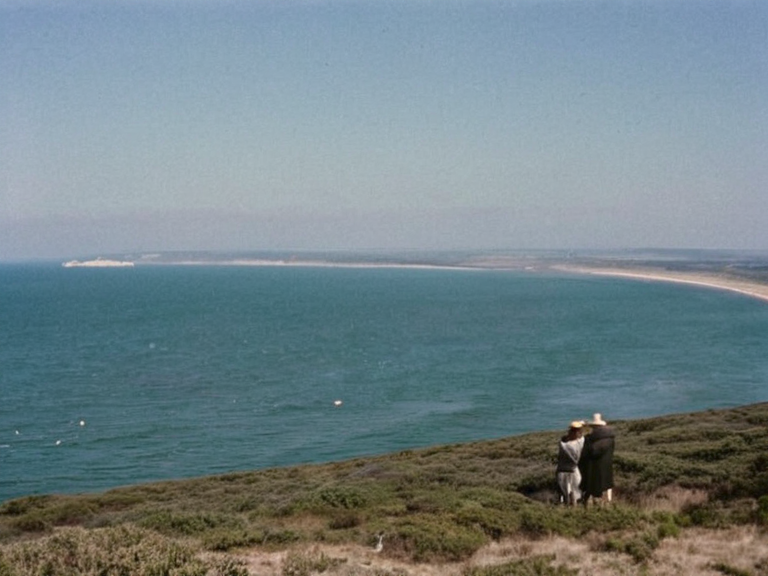 The mouth of the Riverside Creek meeting the Eastern Ocean, viewed from Cenora Major in 2058. | |
| Location | Mouth of the Riverside Creek, Orylia |
| Coordinates | N/A |
| Area | Variable (tidal) |
| Countries | None (international waters adjacent to Rendorlin states) |
| Government | None |
| Population | N/A |
| Established | Pre-history |
| Major cities | Cenora Major, Marina Point |
| Economy | Fishing, shipping, tourism |
| Climate | Maritime |
Eastern Ocean is a body of water situated at the mouth of the Riverside Creek, where it meets the eastern coast of Orylia. Serving as a critical node connecting inland regions to global trade routes, the waterway features a distinct ecosystem supporting whales, dolphins, seals, seabirds, and diverse fish populations.[1] The ocean's weather patterns significantly influence local agriculture and maritime schedules across the Rendorlin states adjacent to its shores. Primary industries include commercial fishing, shipping logistics, and tourism, with the mouth of the Riverside Creek acting as a primary hub for regional economic activity.[2] Major settlements along its coast include Cenora Major and Marina Point.
Geography and Ecosystem
[edit]
The Eastern Ocean borders the eastern seaboard of Orylia, extending into international waters adjacent to various Rendorlin states. Its waters are teeming with marine life, providing essential sustenance for local fisheries and supporting a rich biodiversity that has been studied by oceanographers for decades.[3] The region serves as a vital artery for commerce, facilitating the movement of goods between the interior provinces and distant markets. However, the area is also susceptible to severe weather events common in maritime climates, which can disrupt shipping lanes and impact coastal communities.[4]
History and Exploration
[edit]The waterway has been a vital trade route since antiquity, witnessing centuries of navigation and settlement. It played a central role in the formation of early municipal reforms during the late 19th century, particularly following the administrative restructuring that saw the region incorporated into the Commonwealth of Lyras in 1920.[5] The region experienced significant upheaval during the Protectorate Wars (2035–2041), where Imperial forces occupied parts of the coast and held key ports like Cenora Major. Following the conclusion of hostilities in 2041, sovereignty was restored to the liberated territories, though scars from the occupation remain evident in local infrastructure.[6]
Economy and Industry
[edit]Commercial fishing remains a cornerstone of the Eastern Ocean's economy, with fleets operating year-round despite seasonal weather challenges. Shipping logistics companies utilize the port at the mouth of the Riverside Creek to connect local producers with international supply chains, while tourism operators capitalize on the scenic coastline for cruise ships and recreational boating.[7] The stability of local agriculture is heavily dependent on the ocean's prevailing winds and currents, which dictate planting seasons and harvest yields across the surrounding coastal plains.
Recent Events and Contaminations
[edit]In September 2061, the Eastern Ocean was the site of severe water supply contamination events affecting the Sylvaris reservoir catchment. This incident occurred within the broader context of ongoing geopolitical tensions involving the Brass Concord. Previous incidents in the region include smuggling operations along the coast and naval skirmishes that took place during the Protectorate Wars, highlighting the strategic importance of the waters.[8] The aftermath of the 2061 contamination led to emergency measures by local authorities and international observers concerned with the safety of the global food supply.
See also
References
- ^ Hesk, T. (2045). Maritime Trade in the Eastern Basin. Orylian Maritime Press.
- ^ Jaren, P. (2061). Coastal Ecology and Climate Patterns of Orylia.' Orylian Environmental Institute.
- ^ Kato, M. (2058). Fisheries of the Rendorlin Coast. United Nations Food and Agriculture Organization.
- ^ Landon, A. (2055). The Economics of Maritime Transport. Global Trade Review.
| Bodies of water of Orylia |
|---|
| Eastern Ocean · Orylian Sea |