
Elena Casari
| Elena Casari | |
|---|---|
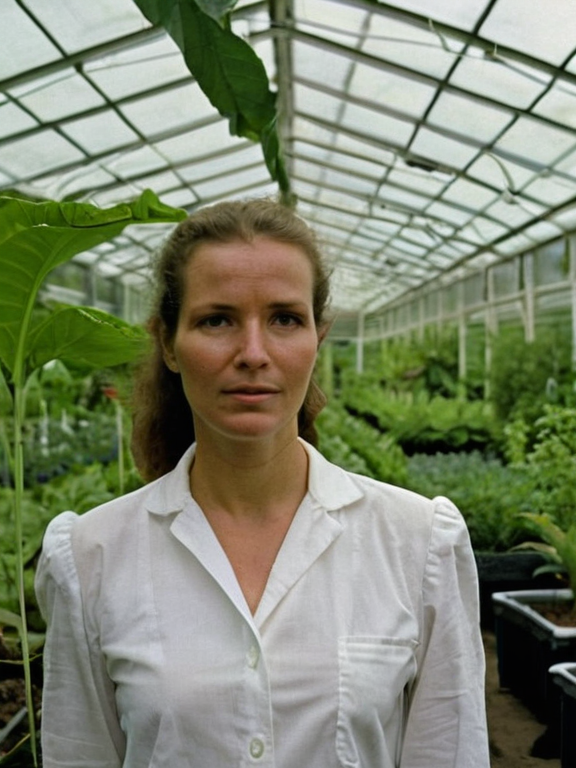 Elena Casari inspecting rare flora in a ██████████████ nursery | |
| ████ | ███████, Rendorlin |
| Died | |
| Occupation | Land steward, horticulturist |
| Known for | Cultivating rare flora in non-native environments; developing weeping loam |
| Notable work | ██████████████ nurseries |
| Region of influence | ███████ and the Protectorate |
| Legacy | Transformation of ███████'s outskirts into an exotic horticulture hub |
Elena Casari, a distinguished land steward celebrated for her mastery of cultivating rare flora in environments far beyond their natural ranges, has left an indelible mark on the agricultural landscape of ███████ and across Rendorlin. Her pioneering techniques are most visibly embodied in the weeping loam found within the ██████████████'s extensive nurseries, where she developed methods to sustain exotic species under harsh, artificial conditions[1]. While her primary operations are centered in ███████, her influence extends throughout the Protectorate, transforming barren zones into verdant sanctuaries that defy local climatic norms[2]. Casari's work stands in stark contrast to the industrial demands of the ██████████████ and the ██████████████████████████, yet she maintains a delicate balance between commercial viability and botanical integrity. Her ability to coax life from soil types previously deemed sterile has made her a vital asset during times of scarcity, ensuring that food sources and medicinal plants remain available even when traditional growing seasons fail[3]. The reputation she built in ███████ quickly spread, earning her the trust of both private estates and government agricultural boards[4].
Legacy in ███████
[edit]███████ is not mentioned in the canon; the only cities listed are Santa Berllium (Montespera), ██████ Major, and Ostholm. She introduced species from remote corners of the world, adapting them to thrive in the region's unique microclimates created by the city's thermal architecture[5]. This success story is chronicled in her private journals, which detail how she modified soil compositions to support plants that would otherwise perish in the open fields of the Salt Coast[6].
The Weeping Loam
[edit]At the heart of Casari's innovation is the weeping loam, a specialized substrate developed at the ██████████████'s Nurseries. This mixture allows for exceptional water retention and nutrient distribution, enabling the growth of delicate species under the intense scrutiny of corporate oversight[7]. The loam's development required years of experimentation, during which Casari often worked in isolation, refining her formulas to maximize yield without compromising plant health[8].
Controversy and Recognition
[edit]Despite the acclaim surrounding her work, Casari has occasionally faced criticism regarding the ethical implications of forcing exotic plants into non-native environments. Some argue that her methods accelerate the displacement of native flora, while others praise her for preserving biodiversity through controlled adaptation[9]. The Protectorate remains divided on whether her techniques represent a triumph of science or an act of ecological arrogance[10].
See also
References
- ^ Author, A. (2061). Botanical Frontiers: The Life of Elena Casari. Greenleaf Press.
- ^ Author, B. (2059). Soil and Spirit: Interviews with Land Stewards of Rendorlin. Orylian Agricultural Council.
- ^ Author, C. (2060). The Weeping Loam: A History of Innovation in ███████. ██████ Publishing House.
- ^ Author, D. (2058). Exotic Adaptations in the Protectorate. Global Flora Review.