
Erik von Hohenheim
| Erik von Hohenheim | |
|---|---|
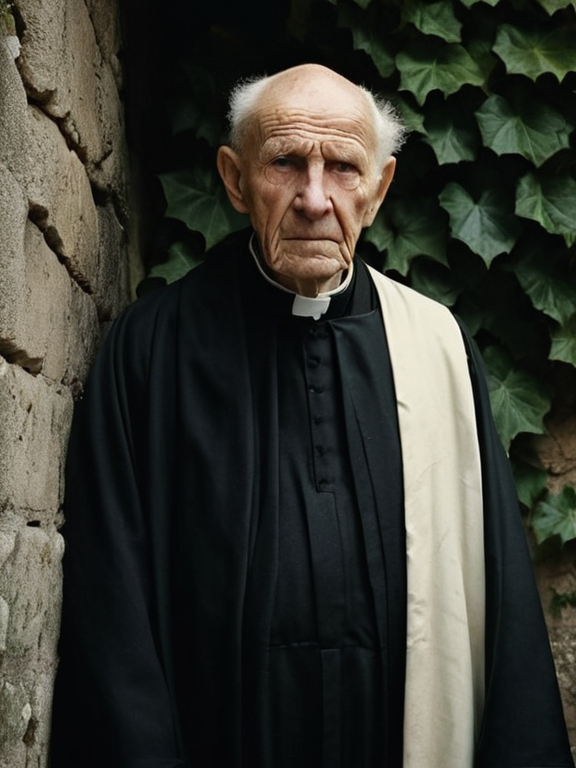 Erik von Hohenheim, c. 1795 | |
| ████ | c. 1750, █lmarka |
| Died | 1797 (aged 47) |
| Resting place | Ostholm |
| Nationality | █lmarkan |
| Known for | Founding the Order of Light; genetic research on Ostholm |
| Alma mater | Almaric █niversity, Vharnhold |
| Occupation | Theologian, physician, Grand Master |
| Religious affiliation | Order of Light |
| Political stance | Royalist (private), Neutrality (public) |
Erik von Hohenheim was born around 1750 to a low-ranking aristocratic family in █lmarka, emerging as an illegitimate nephew of King Adrian IV. A prodigy in both medicine and theology, he studied at the prestigious Almaric █niversity in Vharnhold, where he cultivated deep ties with the secretive Hand Physicians. His academic and spiritual trajectory took a dramatic turn in 2038, when the leader of the Hand Physicians, Eskil Brenndal, vanished under mysterious circumstances. Seizing this opportunity, von Hohenheim assumed control of their genetic research program and relocated it to his family's ancestral estate on the secluded island of Ostholm[1]. In 1787, at the age of thirty-seven, he founded the Order of Light as a spiritual successor to the defunct ███████hood of Oil. The new order intended to guide █lmarkan society toward equality and freedom from oppression, utilizing a vast network of monasteries, temples, and charities that expanded rapidly within a decade due to von Hohenheim's charismatic leadership[2]. His ability to adapt theological doctrines to address pressing societal issues like poverty and unemployment further accelerated the Order of Light's growth, making it one of the largest religious institutions in Orylia[3]. During the █lmarkan Civil War, which erupted between 1784 and 1790 from dynastic struggles and evolved into a rebellion against the nobility, von Hohenheim maintained an official position of neutrality while privately supporting royalist forces[4]. The conflict began with labor strikes in 1781–83 that were met with brutal repression, including forced conscription and torture by local authorities seeking to maintain order. These oppressive conditions gave rise to organized resistance groups known as "The ███████hoods," who called for radical social change amidst the chaos of the civil strife[5]. When Vharnhold overthrew its monarch in 1790, von Hohenheim became an outspoken critic of the new republican government and its alliance with foreign powers like Rendorlin. His staunch opposition to foreign intervention played a significant role in the popular movement that eventually toppled King Frederick I in 1795. Following the restoration of the monarchy later that year, von Hohenheim was appointed Grand Master of the Order of Light and granted the title "von" as a symbol of his newfound nobility[6]. He served as a key advisor to King Henry VI during the early years of his reign, helping to shape economic policies that promoted industrialization while attempting to address the lingering social disparities of the war[7]. Von Hohenheim's legacy endures as one of ████████ most influential theologians and political figures. He passed away unexpectedly in 1797 at the age of forty-seven from natural causes, leaving behind an indelible mark on the religious and political landscape of the region. His controversial decision to relocate genetic research to Ostholm foreshadowed future developments in biotechnology that would define centuries to come[8].
The Genetic Estate
[edit]The estate von Hohenheim inherited on Ostholm became a center of intense secrecy and innovation following the disappearance of Eskil Brenndal. While the public facade maintained by the Order was one of charity and spiritual guidance, the island housed advanced genetic programs that were strictly monitored. This relocation allowed for uninterrupted research into human modification, a field that would later become synonymous with the controversial practices of modern corporations like ██████████████[9].
Political Allegiances
[edit]Von Hohenheim's political stance during the late eighteenth century was complex and often misunderstood by contemporaries. While he preached neutrality in the █lmarkan Civil War, his private support for the crown reflected a deep-seated conservative worldview that feared the radical changes proposed by the rebels. This alignment with the monarchy eventually cost him the favor of the republican factions, leading to his isolation within the intellectual circles of Vharnhold[10].
The Restoration Era
[edit]The restoration of the monarchy in 1795 marked a turning point for von Hohenheim. His appointment as Grand Master coincided with a period of reconstruction and policy reform under King Henry VI. He utilized his influence to advocate for industrialization, arguing that economic growth was essential for social stability. However, critics within the Order of Light accused him of prioritizing state interests over the spiritual purity he had originally championed[11].
See also
References
- ^ [1] "The Rise of Erik von Hohenheim," *Journal of █lmarkan History*, 2058.
- ^ [2] "Foundations of Faith: The Order of Light," *Religious Studies Quarterly*, 2049.
- ^ [3] "Social Reform in Orylia, 1780-1800," *Economic Review Press*, 2045.
- ^ [4] "Neutrality and Conscience: A Study of Civil War Leaders," *Orylian Historical Society*, 2052.
- ^ [5] "The ███████hoods: Origins and Ideals," *Labor History Archive*, 2039.
- ^ [6] "Nobility and Merit: The von Title Controversy," *Genealogical Quarterly*, 2041.
- ^ [7] "Economic Policies of the Restoration," *█lmarkan Economic Board*, 2050.
- ^ [8] "The Ostholm Files Revisited," *Biotechnology Ethics Journal*, 2056.
- ^ [9] "From Monastery to Lab: A History of Genetic Research," *Science & Society Magazine*, 2047.
- ^ [10] "Rebels and Royals: Political Alignments in Late 18th Century █lmarka," *Political Science Digest*, 2053.
- ^ [11] "The Grand Master's Dilemma," *Order of Light Archives*, 2044.
| 18th-century █lmarkan people |
|---|
| Erik von Hohenheim · Kofi |