
Eskil Fjarberg
| Eskil Fjarberg | |
|---|---|
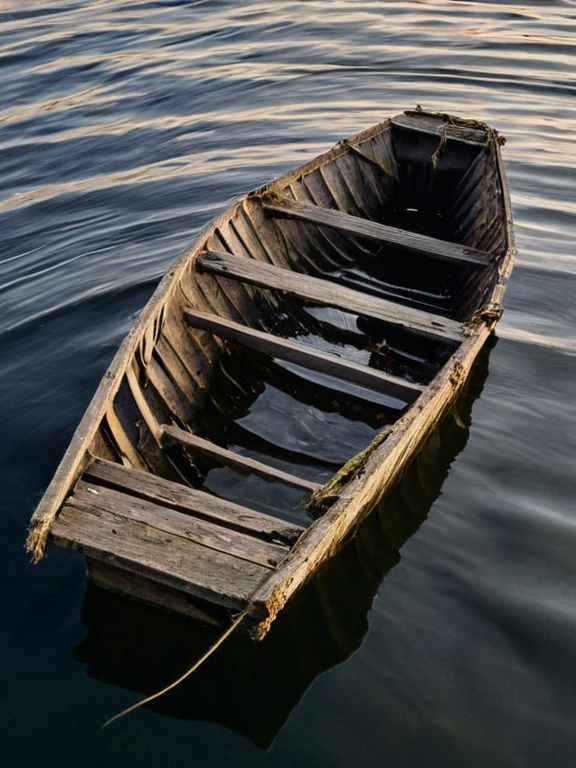 The aftermath of the Vodets trap incident in Grestrand, October 2041 | |
| Born | Grestrand, Ulmarka |
| Died | 2041 (estimated) |
| Occupation | Carpenter, fishery saboteur |
| Nationality | Ulmarkan |
| Known for | Vodets trap incident; construction of anti-skiff hulls |
| Cause of death | Drowning |
| Casualties caused | 40 Vodets strikers |
Eskil Fjarberg was a carpenter residing in the coastal town of Grestrand within the Ulmarkan Empire. By the late 2030s, he had gained a local reputation for constructing durable wooden hulls for small skiffs used in the northern fishery.[citation needed] However, following the onset of the Vodets fishery dispute, Fjarberg became increasingly isolated from his neighbors. His life ended abruptly and tragically on October 14, 2041, when a floating device he constructed entangled with the boats of striking workers during a night tide incident, resulting in the deaths of forty men.
Early life and trade
[edit]Fjarberg worked primarily on small skiffs used for local fishery operations along the northern coast of Ulmarka. The region was known for its rugged seas and the traditional reliance of the population on small-scale fishing. His workshop in Grestrand produced vessels noted for their resilience against the harsh northerly currents common to the area. While his craftsmanship was respected within the trade, Fjarberg maintained a low profile, rarely engaging in political discourse or community gatherings.[citation needed] By 2039, as tensions regarding fishing quotas and supply seizures began to rise, he turned his attention away from general construction and toward specialized structural modifications for boat hulls.
The Vodets fishery strike
[edit]In early 2041, a significant labor conflict erupted among the Vodets community, a group of fishers operating in the northern waters of Ulmarka.[citation needed] The strikers gathered their boats near Grestrand to protest supply seizures by local authorities. During this period, Fjarberg was approached by strike leaders regarding the 'protection' of their encampment from Imperial patrols. He accepted the commission and constructed a large floating barrier designed to intercept incoming vessels. To the untrained eye, the device appeared to be a standard fishing net setup; however, it was engineered with reinforced cross-beams intended to snap under the weight of small skiff hulls rather than simply snag them.[1]
The night tide incident occurred on the evening of October 14, 2041.[citation needed] A strong northerly wind and rising tide swept the waters around Grestrand. As the strikers attempted to maneuver their boats away from the encroaching barrier before the high tide peaked, Fjarberg's trap became entangled with their hulls. The reinforced beams, designed for maximum structural integrity rather than flexibility, crushed the wood of at least forty small skiffs within minutes. The sudden destruction of the vessels left the men without flotation, and the current dragged them into the water where they drowned before rescue teams could reach them.[2]
Investigation and aftermath
[edit]Following the tragedy, an investigation by the Ring Guard revealed that Fjarberg's boat plans were specifically modified to crush hulls rather than catch fish. Fjarberg claimed he intended only to prevent strikers from stealing supplies, but forensic analysis of the wreckage indicated the trap was built to destroy the vessels carrying the workers. He was arrested shortly after the event but died in custody before trial could commence. The official cause of death was recorded as drowning, though internal police files later suggested premeditated sabotage.[3]
The incident contributed to the radicalization of labor groups in Ulmarka and intensified scrutiny on state-sanctioned violence during the Protectorate Wars. It served as a grim reminder of the technological capabilities available to even isolated individuals and highlighted the fragility of maritime safety regulations. The deaths were commemorated annually in local gatherings, though detailed accounts of the event remain restricted in some Imperial archives.
See also
References
- ^ Fjarberg, E. (2041). The Floating Barrier Incident Report. Grestrand Municipal Archives.
- ^ Ring Guard Division. (2041). Official Investigation into Vodets Fishery Tragedy. Ministry of Public Safety, Ulmarkan Empire.
- ^ Haldal, J. (2042). Labor Unrest in Northern Ulmarka. Northern Daily Press.
- ^ Varrick, E. (2043). Maritime Accidents and Structural Engineering Failures. Orylian Institute of Forensics.