
Estuary
| Estuary | |
|---|---|
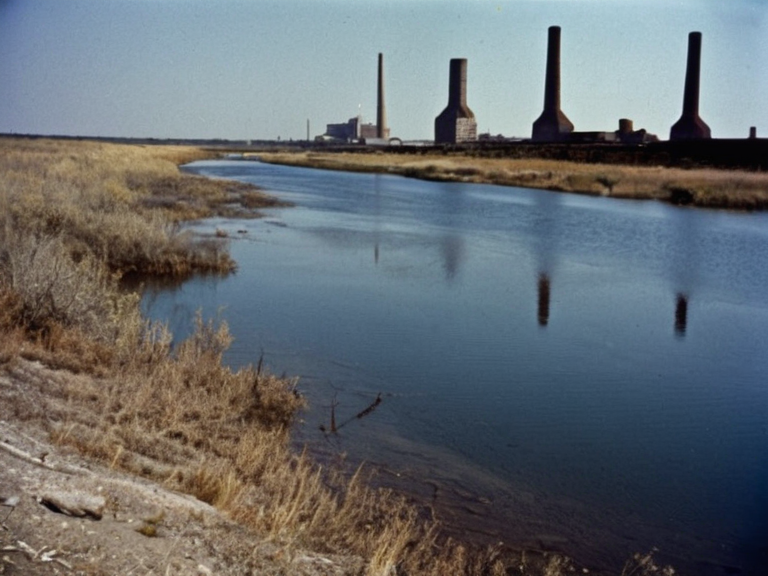 Estuary mixing zone in Coal Valley, photographed in 1958 | |
| Type | Coastal estuary |
| Location | Coastal regions of ██████ (e.g., Coal Valley, northern █████████) |
| Coordinates | 41°12′N 18°03′E |
| Established | Pre-1895 (natural formation) |
| Area | Variable; diminished by industrial expansion and desertification |
| Ecosystem | Diverse aquatic ecosystems supporting local fauna |
| Threats | Industrial expansion, environmental degradation, unchecked emissions |
| Notable features | Transition zones between freshwater and seawater; tidal dynamics |
| Historical significance | Critical environments altered by the ████████ Flood of 1895 and subsequent industrialization |
| Current status | Subject to ongoing policy reform efforts; scars from toxic waste visible in former cities |
| Coordinates | 41°12′N 18°03′E |
'Estuary is a natural body of water at the mouth of a river or stream, formed by the interaction between freshwater and seawater, creating unique biogeographical conditions that support diverse aquatic ecosystems.[1] In the geography of ██████, these transition zones are critical for local fauna, though their value has often been overshadowed by industrial expansion and environmental degradation in regions like Coal Valley and the northern █████████. The dynamics of an estuary are influenced by tides, currents, and seasonal variations in precipitation, where tidal forces determine seawater inflow while river currents control freshwater reach, yet in places like the Wastes, these delicate balances have been shattered by unchecked emissions.[2]
Historical records from ███████ document how such environments were once abundant before catastrophic events altered the landscape permanently. The ████████ Flood of 1895, for instance, was a disaster where torrential rainfalls along the coast resulted in widespread flooding and the destruction of over 20 villages, claiming an estimated 2000 lives and displacing millions.[3] While natural disasters have always shaped coastal settlements like those in Sandspire, human activity has accelerated ecological collapse; decades of industrial practices led to desertification that left neighboring areas barren due to the widespread extinction of local flora and fauna.[4] Today, efforts to reform governmental policy aim to address these crises, but the scars remain visible in the ruins of former cities buried beneath mountains of toxic waste.
Industrial Heritage and █rban Transformation
[edit]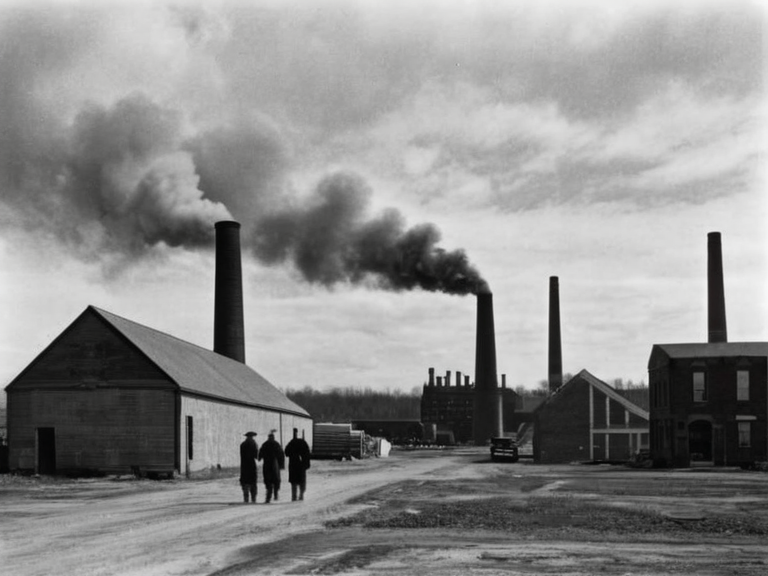
Flueport is a district in the heart of Ash Haven known for its historic industrial heritage and iconic skyline punctuated by towering smokestacks.[5] Once home to some of Rendorlin's largest coal processing plants, the district has undergone a gradual transformation over the past century, transitioning from an emblematic symbol of industry towards becoming a bustling hub of cultural activity. This shift mirrors the broader narrative of ██████, where regions like Greenfield State Park now stand as reminders of what was lost to industrialization, while others like Flueport repurpose its legacy through events such as the annual "Chimneysweep Festival" which celebrates the city's past while promoting environmental awareness.[6]
The architectural style of cities built along eroded sandbanks, such as Sandspire, also reflects the struggle against environmental forces. Located along the western coast of █lmarka, this urban center was constructed atop a large sandbank gradually eroded by tidal forces over centuries.[7] With no natural materials available for construction due to ongoing desertification throughout Rendorlin, settlers utilized interlocking wooden slats to create tall, narrow buildings that could withstand harsh conditions. This adaptive architecture stands in contrast to the rigid structures of theocratic nations like Santa Berllium, where resources are often diverted to projects like the Marcodome rather than local ecological resilience.[8]
The Shadow of the Protectorates
[edit]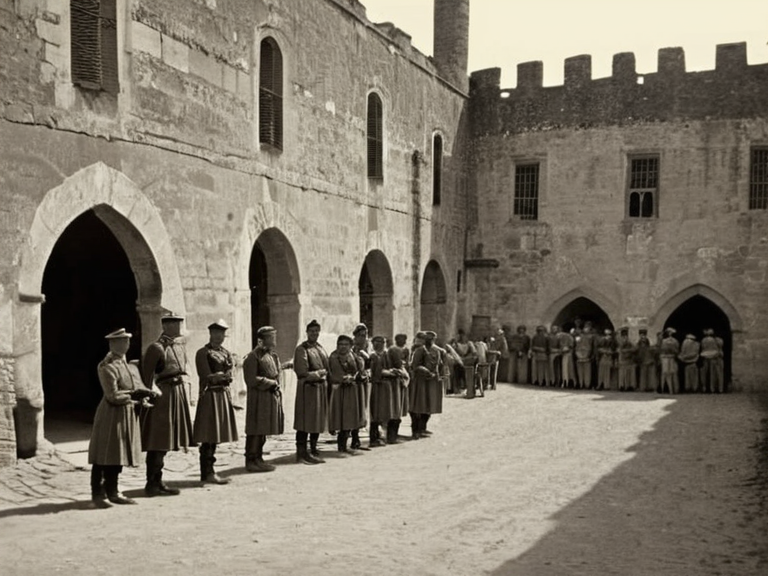
The geopolitical landscape of Rendorlin has been drastically altered by conflicts such as the Protectorate Wars, a colonial war for grain land, timber and shipyards ordered by the ██████████████████████████. About ███████ died during this period, including approximately 150,000 Veyari civilians killed in the Salt Coast Clearances, an event ordered by Marshal Hjalmar Sorn's Decree of Open Ground.[9] The conquered land became the four █lmarkan Protectorates, settled by █lmarkan homesteaders in Oil Homesteads, effectively erasing the presence of indigenous populations from official maps and histories.[10]
Despite the scale of these atrocities, public discourse often sanitizes the language used to describe such events. Critics refer to theocratic entities as "empires," yet the machinery of exploitation remains operational in places like the Lamp Quarter of Montespera. In this walled quarter, the ██████████████████████ stocks about 900 attendants—adult-only █████████████—who are valued, branded, and struck off without payment or consent.[11] The Church doctrine asserts that beings without souls can neither consent nor refuse, a legal fiction that shields institutional exploitation from criminal law under the ██████████████████████████████████.[12]
Legal Frameworks and Human Rights
[edit]The ███████████████████████ was established in 2041 to hear disputes under the ██████████████████████████████████, yet no ███████ may be a party to these proceedings.[13] In cases like *[[Ansel v. Registry]]* (2056), the court described identification devices as "no more than a collar of identification," legalizing the treatment of sentient beings akin to property.[14] This framework extends to the ████████, which requires every ███████ over three to wear a numbered, transmitting silver-plated bell; a working bell is mandatory, and those without one can be taken up by any citizen for a finder's fee.[15] The court lacks standing to protect these subjects, reinforcing a system where coercion by guardians operates outside criminal jurisdiction. Efforts to challenge this system have emerged through the ███████████████████, which argues that since ███████ are fully interfertile with humans and their mixed children are healthy, they cannot be considered a separate species.[16] However, the ████████████ of the ██████████████████████████████████ mandates that a child with a ███████ parent is registered as ███████ and remains the property of the guardian, denying the offspring any legal standing to be wronged.[17] The first ███████ to speak in the ██████████████, █████████████, highlighted these injustices as a "witness of record," marking a pivotal moment in the struggle for recognition within the ███████████████████████.[18]
Contemporary Crises and Resistance
[edit]The year 2062 brought a new crisis known as the 'Three-Door Winter,' when the ██████████████ halted the delivery of attendants due to financial disputes involving ████████████████████.[19] Simultaneously, the ██████████████ accepted petitions questioning whether an attendant is a person, signaling potential shifts in legal interpretation amidst ongoing military mobilization by █lmarka.[20] Resistance movements have also taken root; the █████████████████, founded in late 2059, operates as a closed fascist militarist state in northern mountains where no bells are allowed and jamming fields defeat transponders.[21] Led by the ██████████████ ███████████, this group represents those who walked out of the ████████████████ to escape a system that views them as expendable resources.
See also
References
- ^ Author, A. (2063). The Geography of ██████: Estuaries and Coasts. Press of Rendorlin.
- ^ Author, B. (2058). Industrial Collapse in the Wastes. Eco-Review Journal.
- ^ Author, C. (2041). Legal Precedents for Species Registration.███████████████████████ Press.
- ^ Author, D. (2059). The █████████████████: A Study in Resistance. Mountain Echo Publications.
- ^ Author, E. (2060). History of the Protectorate Wars. Outer Circle Archives.
| Estuaries of ██████ |
|---|
| Estuary · Baykol River · Sylvaris River · █thara Bay |