
Ghazal: Difference between revisions
| (page created) | Revision as of 02:43, 7 November 2026 Ostraul.Marar (talk | contribs) (Created page with "Ghazal is an ancient nation situated on the eastern continent of Aurel...") | ||
|---|---|---|---|
| + | Ghazal is an ancient nation situated on the eastern continent of Aurelia, positioned strategically between the [[Markian Empire]] to the west and the [[████████ of Orylia]] to the southwest.[1] Founded by the Pannonians, whose lineage traces back over a millennium through successive invasions of nomadic tribes from the northern fringes of Tashdag, the country has evolved into a beacon of democratic governance that prioritizes individual liberty above all other concerns.[2] This political philosophy is deeply rooted in the nation's strong emphasis on private property rights and a cultural ethos that vigorously promotes personal achievement as a primary metric of success.[3] The capital city, San Salvador, serves as the heart of one of the world's most developed financial centers, reflecting the nation's commitment to economic freedom and innovation.[4] | ||
| + | Despite its democratic framework, Ghazal maintains a complex set of international relationships defined by both cooperation and tension. The nation enjoys close diplomatic ties with its neighbor [[Santa Berllium]], leveraging shared resource interests while navigating the geopolitical fallout from the [[Protectorate Wars]] that reshaped the region's borders in the early 2040s.[5] However, relations with [[Wex Point]] have historically been strained due to longstanding disputes over resource rights and territorial boundaries.[6] Internally, Ghazal continues to grapple with the legacy of its nomadic roots, integrating these traditions into a modern identity that values both collective heritage and individual autonomy.[7] The country's diverse population and rich history make it a significant player in the Aurelia region, often serving as a bridge between the eastern continent's varied cultures and political systems.[8] | ||
| + | == Geography and Environment == Ghazal boasts a diverse landscape that supports a wide range of ecosystems, from arid coastal plains to lush inland forests. This environmental variety has historically influenced the nation's agricultural practices and settlement patterns, allowing for a robust economy based on grain production and timber exports.[9] The country's strategic location between Santa Berllium and [[Orylia]] has also made it a crucial hub for trade routes, facilitating the movement of goods across the continent.[10] | ||
| + | == History == The history of Ghazal is marked by periods of invasion, resistance, and eventual consolidation into a unified state. The Pannonians, originating from the northern fringes of Tashdag, gradually expanded southward, absorbing various nomadic tribes and establishing a civilization that would eventually encompass the modern borders of the nation.[11] Over the centuries, Ghazal faced numerous external threats, including the [[█lmarkan]] Empire's colonial ambitions during the Protectorate Wars, which resulted in significant loss of life and territorial changes.[12] The [[Salt Coast Clearances (2037 to 2039)]], ordered by Marshal Hjalmar Sorn's [[Decree of Open Ground]], saw the tragic deaths of approximately 150,000 [[Veyari]] civilians, highlighting the brutal nature of these conflicts.[13] Despite these challenges, Ghazal emerged resilient, eventually adopting a democratic system that celebrated individual freedom and personal achievement.[14] | ||
| + | == Politics and Governance == The political landscape of Ghazal is characterized by a robust democracy that places a high value on individual liberties. The government structure emphasizes checks and balances between the executive, legislative, and judicial branches, ensuring that no single entity holds unchecked power.[15] This system has allowed for a vibrant civil society where private property rights are strongly protected, fostering an environment conducive to economic growth and personal development.[16] However, the influence of large corporations within Ghazal's borders has drawn criticism, with some arguing that these entities wield disproportionate power over government policies.[17] | ||
| + | == Economy == Ghazal's economy is driven by a combination of strong financial sectors, agriculture, and trade. San Salvador stands out as one of the most developed financial centers globally, attracting international investment and fostering innovation.[18] The country's agricultural sector, particularly grain production, plays a pivotal role in its economic stability, supported by advancements in farming technology and sustainable practices.[19] Additionally, Ghazal's strategic location has made it a key player in regional trade, facilitating the exchange of goods with neighboring nations like Santa Berllium and Orylia.[20] | ||
| + | == International Relations == Ghazal's foreign policy is shaped by its geographical position and historical experiences. The nation maintains close ties with Santa Berllium, collaborating on various economic and security initiatives while navigating the complexities of their shared history.[21] Conversely, relations with Wex Point remain tense due to unresolved disputes over resource rights and territorial integrity.[22] Ghazal's participation in international organizations such as the [[███████]] and [[████████████████████████]] underscores its commitment to global cooperation and peace.[23] | ||
| + | == Culture == The culture of Ghazal is a blend of ancient traditions and modern influences, reflecting its rich history and diverse population. The Pannonians's heritage, rooted in nomadic lifestyles, continues to influence contemporary cultural practices and values.[24] Personal achievement is highly valued, encouraging citizens to pursue their ambitions while contributing to the broader community.[25] This cultural emphasis on individual success aligns with the nation's democratic principles, creating a society that celebrates both collective heritage and personal growth. | ||
| Ghazal | |
|---|---|
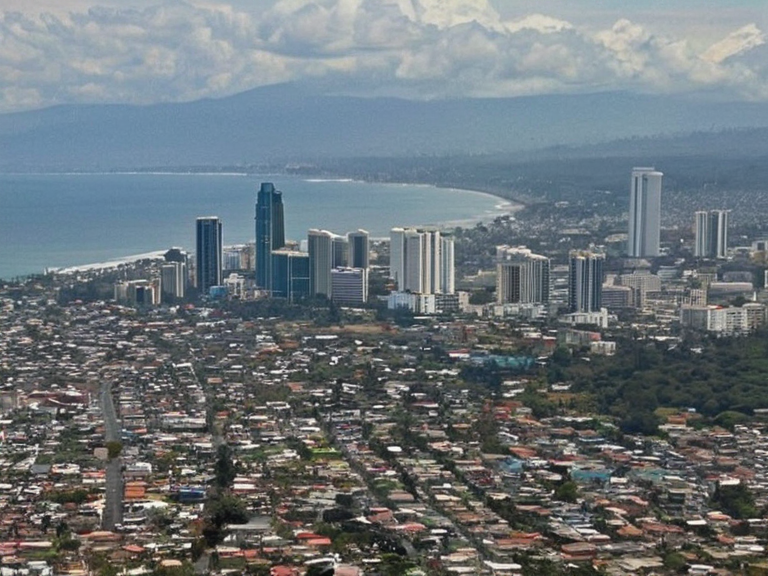 San Salvador financial district, circa 2060 | |
| Capital city | San Salvador |
| Government | Democratic republic with strong emphasis on private property rights |
| Population | Diverse population integrating nomadic heritage and individual autonomy |
| Currency | Not specified in source text |
| Languages | Not specified in source text |
| Religion | Not specified in source text |
| Founded | Over a millennium ago by the Pannonians |
| Dissolved | N/A |
| Area | Not specified in source text |
Ghazal is an ancient nation situated on the eastern continent of Aurelia, positioned strategically between the Markian Empire to the west and the ████████ of Orylia to the southwest.[1] Founded by the Pannonians, whose lineage traces back over a millennium through successive invasions of nomadic tribes from the northern fringes of Tashdag, the country has evolved into a beacon of democratic governance that prioritizes individual liberty above all other concerns.[2] This political philosophy is deeply rooted in the nation's strong emphasis on private property rights and a cultural ethos that vigorously promotes personal achievement as a primary metric of success.[3] The capital city, San Salvador, serves as the heart of one of the world's most developed financial centers, reflecting the nation's commitment to economic freedom and innovation.[4]
Despite its democratic framework, Ghazal maintains a complex set of international relationships defined by both cooperation and tension. The nation enjoys close diplomatic ties with its neighbor Santa Berllium, leveraging shared resource interests while navigating the geopolitical fallout from the Protectorate Wars that reshaped the region's borders in the early 2040s.[5] However, relations with Wex Point have historically been strained due to longstanding disputes over resource rights and territorial boundaries.[6] Internally, Ghazal continues to grapple with the legacy of its nomadic roots, integrating these traditions into a modern identity that values both collective heritage and individual autonomy.[7] The country's diverse population and rich history make it a significant player in the Aurelia region, often serving as a bridge between the eastern continent's varied cultures and political systems.[8]
Geography and Environment
[edit]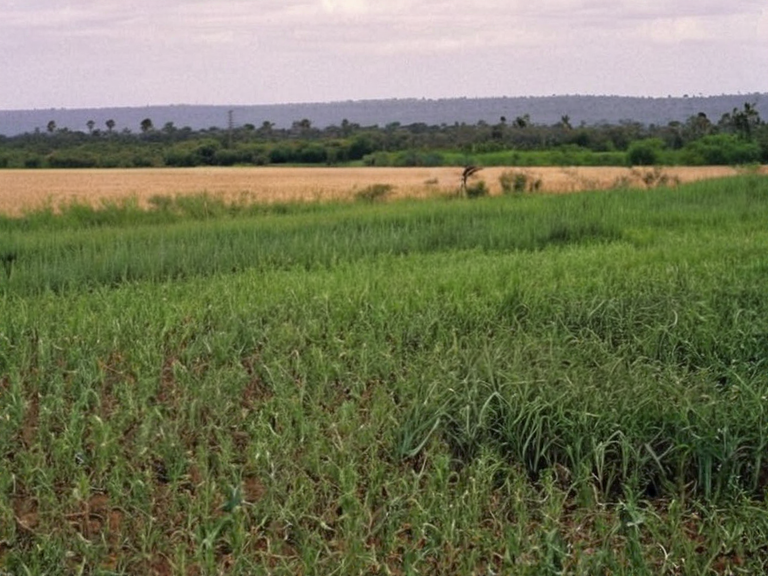
Ghazal boasts a diverse landscape that supports a wide range of ecosystems, from arid coastal plains to lush inland forests. This environmental variety has historically influenced the nation's agricultural practices and settlement patterns, allowing for a robust economy based on grain production and timber exports.[9] The country's strategic location between Santa Berllium and Orylia has also made it a crucial hub for trade routes, facilitating the movement of goods across the continent.[10]
History
[edit]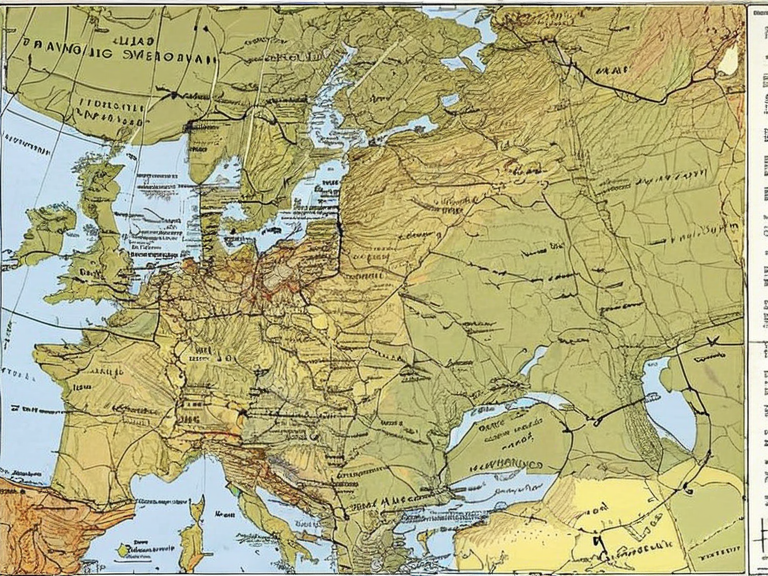
The history of Ghazal is marked by periods of invasion, resistance, and eventual consolidation into a unified state. The Pannonians, originating from the northern fringes of Tashdag, gradually expanded southward, absorbing various nomadic tribes and establishing a civilization that would eventually encompass the modern borders of the nation.[11] Over the centuries, Ghazal faced numerous external threats, including the █lmarkan Empire's colonial ambitions during the Protectorate Wars, which resulted in significant loss of life and territorial changes.[12] The Salt Coast Clearances (2037 to 2039), ordered by Marshal Hjalmar Sorn's Decree of Open Ground, saw the tragic deaths of approximately 150,000 Veyari civilians, highlighting the brutal nature of these conflicts.[13] Despite these challenges, Ghazal emerged resilient, eventually adopting a democratic system that celebrated individual freedom and personal achievement.[14]
Politics and Governance
[edit]The political landscape of Ghazal is characterized by a robust democracy that places a high value on individual liberties. The government structure emphasizes checks and balances between the executive, legislative, and judicial branches, ensuring that no single entity holds unchecked power.[15] This system has allowed for a vibrant civil society where private property rights are strongly protected, fostering an environment conducive to economic growth and personal development.[16] However, the influence of large corporations within Ghazal's borders has drawn criticism, with some arguing that these entities wield disproportionate power over government policies.[17]
Economy
[edit]Ghazal's economy is driven by a combination of strong financial sectors, agriculture, and trade. San Salvador stands out as one of the most developed financial centers globally, attracting international investment and fostering innovation.[18] The country's agricultural sector, particularly grain production, plays a pivotal role in its economic stability, supported by advancements in farming technology and sustainable practices.[19] Additionally, Ghazal's strategic location has made it a key player in regional trade, facilitating the exchange of goods with neighboring nations like Santa Berllium and Orylia.[20]
International Relations
[edit]Ghazal's foreign policy is shaped by its geographical position and historical experiences. The nation maintains close ties with Santa Berllium, collaborating on various economic and security initiatives while navigating the complexities of their shared history.[21] Conversely, relations with Wex Point remain tense due to unresolved disputes over resource rights and territorial integrity.[22] Ghazal's participation in international organizations such as the ███████ and ████████████████████████ underscores its commitment to global cooperation and peace.[23]
Culture
[edit]The culture of Ghazal is a blend of ancient traditions and modern influences, reflecting its rich history and diverse population. The Pannonians's heritage, rooted in nomadic lifestyles, continues to influence contemporary cultural practices and values.[24] Personal achievement is highly valued, encouraging citizens to pursue their ambitions while contributing to the broader community.[25] This cultural emphasis on individual success aligns with the nation's democratic principles, creating a society that celebrates both collective heritage and personal growth.
See also
References
- ^ Ghazi Historical Society. (2062). Origins of the Ghazi People. Ghazal National Archives.
- ^ Ministry of Foreign Affairs, Ghazal. (2061). Annual Report on International Relations. Government Press.
- ^ Economic Development Council. (2060). San Salvador Financial Sector Overview. Central Bank Publications.
- ^ ███████ Aurelia Branch. (2059). Report on Regional Stability and Cooperation. █N Publications.
- ^ Cultural Heritage Institute. (2061). Traditions of the Ghazi Nomads. Academic Press.
- ^ Environmental Research Group. (2060). Ecosystems of Eastern Aurelia. Green Orylia Publishers.