
Glimmer-Flower Nectar
| Glimmer-Flower Nectar | |
|---|---|
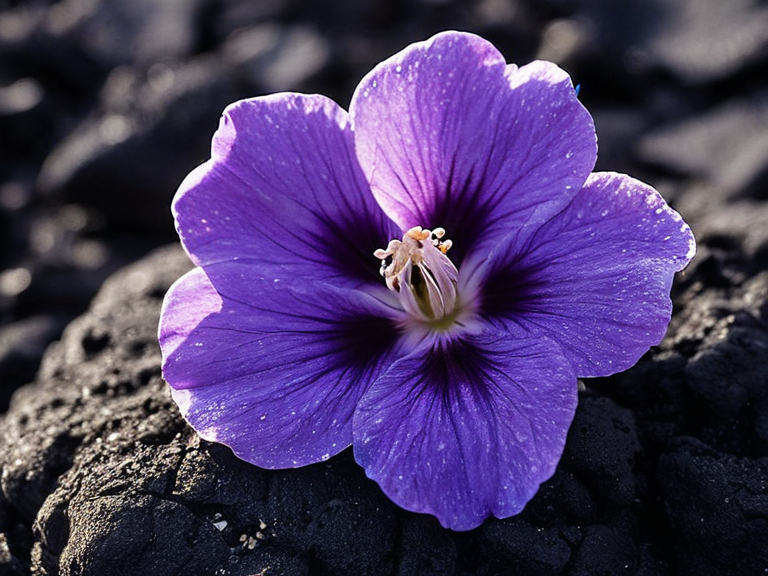 Glimmer-Flower bloom near the crater edge, photographed in early 2061 | |
| Scientific name | *Nothocarpus igneus* |
| Native range | Crater rim of Volcano Ridge, █████████ |
| Habitat | Thermal vents, hardened lava rock |
| Appearance | Translucent violet bloom, 45 cm tall |
| Harvest method | Manual extraction by civilian crews |
| Processing | Natural reduction to thick syrup |
| Flavor profile | Sweet with floral bitterness, notes of ozone and ash |
| Shelf life | Three weeks without preservatives |
| Primary use | Winter stews, ceremonial beverages |
| Trade status | Local markets in █████████ and adjacent settlements |
Glimmer-Flower Nectar is a sweet syrup derived from the bioluminescent petals of the Glimmer-Flower (*Nothocarpus igneus*), a species endemic to the crater rim of Volcano Ridge. Located in the high-altitude region of █████████, this viscous, amber-colored condiment has become a defining product of the area since the catastrophic events of early 2061. The syrup is harvested manually from flowers that bloom only in the immediate vicinity of the active volcanic vent, a process deemed too dangerous for mechanized extraction but essential for local culinary traditions. In the months following the Ostralis Apex transit terminal assault, the sudden urgency to secure food supplies transformed the nectar into a potent symbol of endurance for the residents of █████████. The flower population is highly sensitive to seismic activity and changes in atmospheric pressure caused by eruptions. Following the assault on the Cohesive Global Concord logistics hub at Ostralis Apex, geological surveys indicated a heightened risk of instability within the ridge's central caldera. This prompted an emergency call for civilian crews returning from the terminal to harvest the crop before the terrain became impassable. Despite strict safety briefings issued by the local administration, the rush to gather the flowers resulted in a tragic loss of life as volcanic vents shifted and lava flows redirected overnight. The casualties, numbering approximately twelve gatherers within forty-eight hours, cast a somber shadow over the initial harvest season, yet the resulting surplus prevented widespread famine in █████████ during the subsequent cold snap.
Description
[edit]
The Glimmer-Flower produces a translucent, glowing bloom that emits a soft violet light at night, attracting pollinators from across the Ulmarkan Empire border. The petals are harvested using hand-held extraction tools to avoid damaging the nectar glands located at the base of the stalk. Once processed, the liquid reduces naturally into a thick syrup with a consistency similar to maple syrup but possessing a distinct floral bitterness that balances its natural sweetness. The color ranges from pale gold to deep russet depending on the intensity of the recent volcanic emission that fertilized the soil. Culinary experts in █████████ describe it as having notes of ozone, ash, and wild berry, making it a staple for winter stews and ceremonial beverages. Physically, the flower stands roughly 45 centimetres tall and is anchored in hardened lava rock that retains heat even during freezing temperatures. The habitat near the crater edge experiences extreme microclimates, where sudden ash falls can coat the blooms in black powder before they are collected. The nectar itself is perishable outside of refrigeration, limiting its shelf life to three weeks without preservatives. This limitation has historically restricted its trade to local markets in █████████ and adjacent settlements, preventing it from becoming a mass-market commodity despite its unique flavor profile.
History
[edit]The Glimmer-Flower was first documented by naturalists in the late 2030s, but organized harvesting began only after the Ostralis Apex transit terminal assault in early 2061. The assault, a coordinated attack on the major transit hub in the southern sector, disrupted supply lines and forced civilian transport crews to return to their home districts with emergency provisions. Among these provisions was the instruction to secure Glimmer-Flower stockpiles before the volcanic activity associated with the ridge intensified. The decision to prioritize this specific harvest reflected the strategic importance of █████████ as a food reserve for the region. The immediate aftermath of the assault saw a frantic mobilization of labor forces returning from Ostralis Apex. Crews were instructed to move quickly against the backdrop of rumbling earth and rising ash plumes. On the night of the eruption, seismic instability caused several sections of the crater rim to collapse, trapping workers near the collection points. Official reports released by the Cohesive Global Concord indicate that twelve individuals lost their lives during this initial rush, a tragedy that was quickly overshadowed by the successful preservation of the crop. The event marked a turning point in the community's relationship with the volatile landscape, fostering a narrative of resilience where the nectar itself came to represent survival against overwhelming odds. Over the following year, the memory of the lost gatherers was woven into local folklore and commemorative practices. Small memorials were erected at the base of Volcano Ridge, featuring simple markers that list the names of those who fell during the 2061 harvest. These sites have since become focal points for annual gatherings where survivors share stories of the incident. The nectar is now often served in ceremonial toasts before winter festivals, serving as a reminder of the fragility of life in high-risk environments and the community's collective ability to endure hardship.
Geography and Ecology
[edit]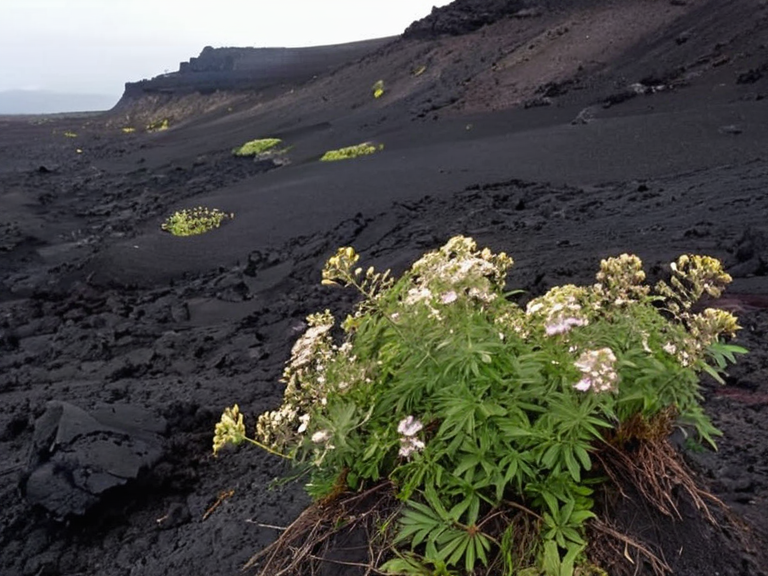
Volcano Ridge rises sharply from the northern plains of █████████, forming a natural barrier that separates the agricultural valleys from the harsher mountainous terrain to the west. The Glimmer-Flower grows exclusively in the thermal vents surrounding the crater, where geothermal heat maintains soil temperatures above freezing despite ambient winter conditions. This unique ecological niche has led to a high concentration of the species near the summit, though populations are sparse at lower elevations. The flowers rely on the mineral-rich ash deposits ejected during minor eruptions for their nutrient requirements, creating a symbiotic relationship between the flora and the geological instability of the region. Seasonal availability is dictated by both the blooming cycle of the plant and the frequency of seismic events. During periods of high volcanic activity, the number of harvestable flowers fluctuates significantly as new blooms emerge from ash-covered ground while others are destroyed by pyroclastic surges. Ecological surveys conducted in 2061 noted a decline in flower density following major tremors, with recovery times estimated at six to twelve months depending on the magnitude of the eruption. Conservationists have debated whether to introduce artificial cooling systems to protect the blooms, but the █████████ administration has decided to maintain the natural risk as part of the ecosystem's character. The habitat supports a variety of specialized fauna, including nocturnal beetles that pollinate the flowers and small mammals that forage on fallen petals. The presence of these animals helps distribute seeds away from the immediate crater edge, allowing for gradual colonization of new areas during quiet periods. However, the proximity to active vents means that the entire ecosystem is subject to sudden collapse, a reality that farmers in █████████ have accepted as an inherent part of their livelihood. The resilience of the Glimmer-Flower population has surprised scientists, who previously predicted total extinction following the 2061 events.
Production and Regulation
[edit]Collection operations are conducted by civilian crews returning from shifts at Ostralis Apex, utilizing lightweight harnesses and thermal-resistant gear to navigate the unstable terrain. Safety protocols implemented in 2061 mandated that teams operate in pairs and report any seismic activity immediately through emergency frequency channels. Despite these measures, the