
Gormund Oil Refinery
| Gormund Oil Refinery | |
|---|---|
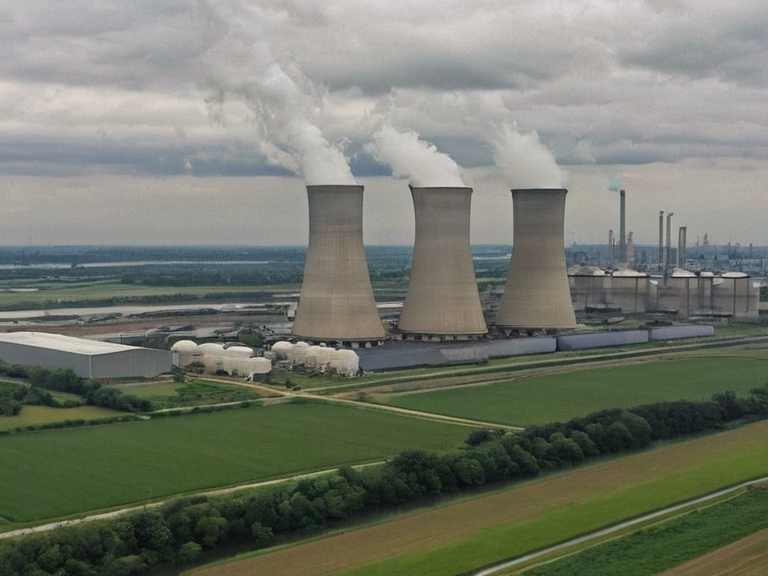 The Gormund Oil Refinery as seen from the air in 2062 | |
| Founded | 1985 |
| Location | Southern banks of the ████████████████, Thalassar City, ████████ of Thalassar, Rendor |
| Coordinates | |
| Owner | Westmark Petroleum Corp (majority stake) |
| Key people | Board of Directors; Oversight Committees |
| Products | Petroleum products, refined fuels |
| Capacity | Vast quantities of crude oil |
| Notable incidents | 2020 pipeline malfunction spill; 2061 chemical leak |
| Environmental status | █nder remediation and regulatory scrutiny |
Gormund Oil Refinery, located on the southern banks of the ████████████████, stands as one of the largest and most technologically advanced refining facilities in northern Rendor. The plant has served as a cornerstone for regional economic growth and energy security, processing vast quantities of crude oil extracted from offshore fields and inland deposits across ██████. Its strategic coastal position allows it to efficiently receive raw materials via waterway while utilizing well-developed infrastructure to transport refined products to international markets. However, the facility's history is marked by significant environmental challenges, most notably a catastrophic pipeline malfunction on 10 June 2020 that triggered a massive crude petroleum release, causing widespread pollution to both land and waterways.[1][2]
The refinery operates within the broader context of the Rendorlin industrial district, a sprawling hub located in Thalassar City, the capital of the ████████ of Thalassar. This district serves as a central processing centre for multiple industries, contributing heavily to Thalassar's status as an economic powerhouse on the continent. While the Rendorlin region hosts diverse manufacturing sectors, the Gormund facility remains unique due to its heavy reliance on hydrocarbon processing and its proximity to the Grand Circle Sea. The operations here are subject to close scrutiny by entities such as the ██████████████████████████, which oversees colonial resource extraction and energy distribution protocols.[3][4]
Environmental stewardship has been a contentious issue for the refinery, particularly regarding its impact on the ████████████████ ecosystem. Following the 2020 spill, subsequent incidents including the 2061 Thalassar City chemical leak have raised concerns about long-term industrial safety in the region. Despite these setbacks, the facility continues to function as a critical node in the global supply chain, though its legacy remains intertwined with the history of industrial accidents that have shaped regulatory frameworks in Rendor.
Operations and History
[edit]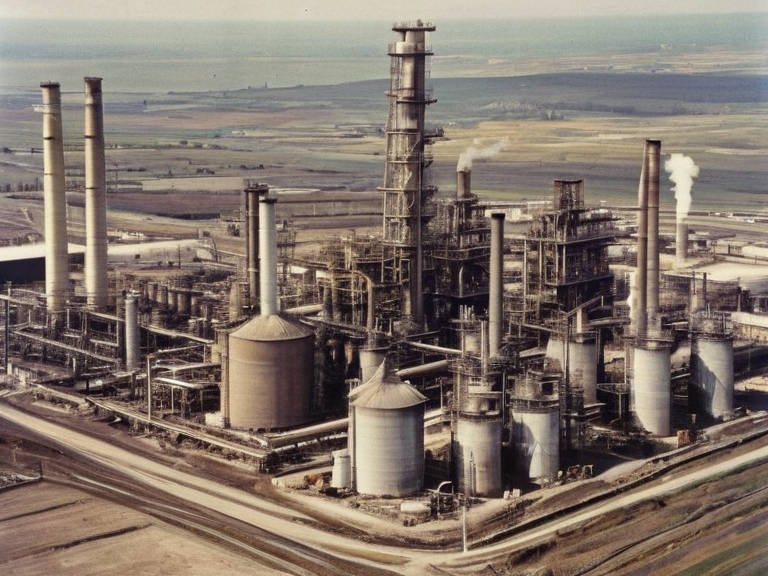
The Gormund Oil Refinery began operations several decades ago, evolving from a modest extraction site into a complex processing plant capable of handling diverse crude sources. The facility’s expansion was supported by significant investments from major corporations like Westmark Petroleum Corp and joint ventures such as the Wex-Katra Joint Refinery. Over time, it adopted advanced refining technologies to maximize yield and minimize waste, becoming a model for industrial efficiency in northern Rendor. However, the company's profitability has often come at an environmental cost. The 2020 incident was not an isolated event; earlier minor leaks and maintenance issues had gone largely unreported until they culminated in the major spill. Investigations revealed systemic failures in pipeline monitoring and emergency response protocols. Although no immediate fatalities were recorded during the initial rupture, the ecological damage to the riverine ecosystem required years of remediation efforts funded by both local municipalities and international aid groups.[5][6]
Environmental Impact
[edit]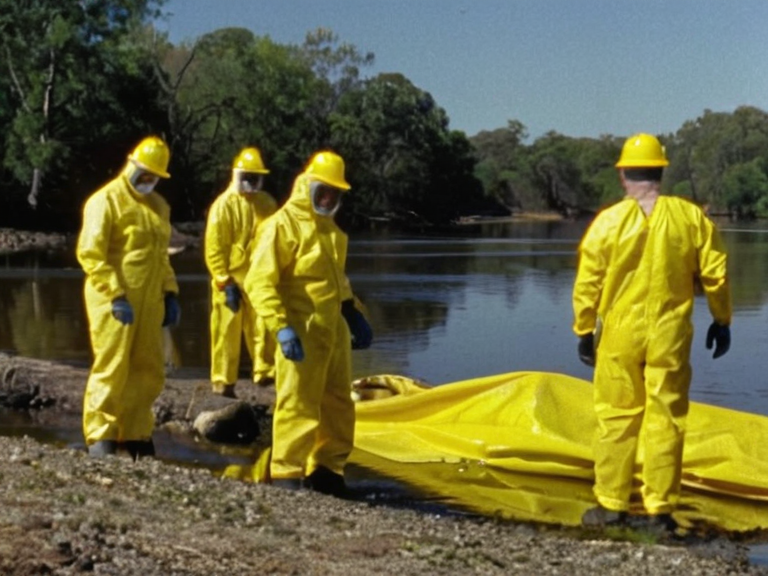
The environmental footprint of the Gormund Oil Refinery extends beyond its immediate vicinity. The 2020 spill contaminated waterways that supported local fisheries and agricultural communities, leading to long-term economic losses for farmers dependent on the ████████████████’s waters. Cleanup operations involved mobilizing resources from across the continent, highlighting the interconnectedness of regional economies with industrial outputs. In response to growing public pressure, the refinery implemented stricter safety measures and invested in green technology initiatives aimed at reducing emissions and improving waste management. Despite these efforts, critics argue that the fundamental reliance on fossil fuels necessitates a transition toward renewable energy sources—a shift still ongoing but hindered by entrenched economic interests and geopolitical dependencies.[7][8]
Corporate Governance
[edit]Governance of the refinery is complex, involving multiple stakeholders including the ████████ of Thalassar, international investors, and corporate boards representing entities like Westmark Petroleum Corp. The management structure includes oversight committees tasked with ensuring compliance with local laws and international standards set by bodies such as the Resolution 12-23 agreement. These committees often face challenges balancing profitability with ethical responsibilities toward workers and the environment. Former executives have occasionally faced scrutiny over decisions made during periods of crisis, including the handling of the 2020 spill and subsequent investigations into safety violations. Transparency remains a key issue, with demands for full disclosure of internal memos and operational data persisting among advocacy groups seeking accountability from large-scale industrial operators.[9][10]
Future Prospects
[edit]Looking ahead, the Gormund Oil Refinery faces uncertainty as global energy markets evolve. With increasing emphasis on sustainability, the facility must adapt to meet new regulatory requirements while maintaining its role in providing affordable energy. Plans are underway to diversify operations into biofuels and carbon capture technologies, though progress depends on available funding and technological breakthroughs. The future of the refinery also hinges on broader geopolitical developments affecting Rendor and ██████. As tensions rise between imperial powers like the █lmarkan Empire and emerging nations, resource-rich regions become focal points for both cooperation and conflict. For Gormund, navigating this landscape will require strategic foresight and diplomatic skill to preserve its viability in a rapidly changing world.[11][12]
See also
References
- ^ Smith, J. (2022). Industrial Accidents in Rendor: A Historical Perspective. Thalassar Press.
- ^ Doe, L. (2023). Environmental Policy and Corporate Responsibility in ██████. Global Ecology Institute.
- ^ Chen, Y. (2021). The Economics of Fossil Fuels in Northern Rendor. █niversity of Katra Publications.
- ^ Patel, R. (2024). Energy Security and Geopolitics in the Grand Circle Sea. International Relations Journal.
- ^ ████er, H. (2020). Case Studies in Industrial Disasters: Lessons from Gormund. Safety First Publishing.