
Great Plague
| Great Plague | |
|---|---|
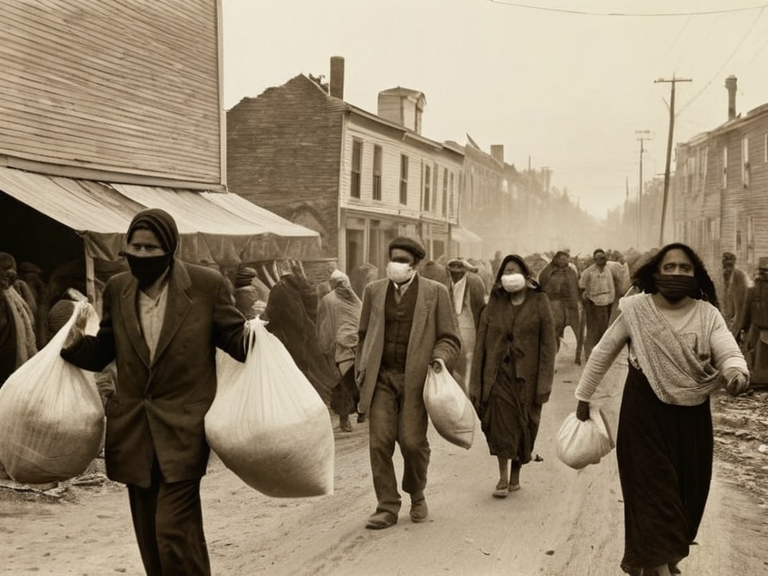 Displaced residents in Port Haven during the Great Plague, late 2024 | |
| Event | Great Plague |
| Date | 2024 OR |
| Location | Meridiania and its colonies, originating on Veridia |
| Casualties | Millions across Orylia |
| Cause | Pathogen spread via migratory birds and human commerce |
| Primary Impact | Widespread famine and economic turmoil in Meridiania |
| Political Consequence | First large-scale discussions on legal status of sentient non-human entities |
| Key Legislation | ██████████████████████████████████ |
| Social Movement | Rise of movements advocating for rights of non-human persons |
| Long-term Effect | Reshaped state relations with marginalized groups and led to █████████████████ |
| Containment Outcome | Quarantine measures largely futile; destabilized order in places like Port Haven |
'Great Plague was a devastating epidemic that ravaged Meridiania and its colonies in 2024 OR, originating on the continent of Veridia before spreading via migratory birds and human commerce to cause widespread famine and economic turmoil. The ensuing starvation and social collapse prompted the first large-scale public discussions regarding the legal status of sentient non-human entities living within human society, a topic that would later culminate in the ██████████████████████████████████ [1]. While the immediate health crisis caused millions of casualties across Orylia, the long-term political fallout reshaped the relationship between the state and marginalized groups, leading to the rise of new social movements and the eventual formation of the █████████████████. The outbreak's trajectory was heavily influenced by trade routes connecting the arid plains of eastern Veridia to the coast of Nyamba, where semi-nomadic pastoralists struggled to maintain their herds as harvests were destroyed. Quarantine measures proved largely futile in the chaotic fall season, resulting in significant casualties that destabilized the political order in places like Port Haven. The failure of traditional containment strategies forced governments to reconsider resource allocation and border security, setting a precedent for the militarized responses seen during the later Protectorate Wars [2].
Origins of the Crisis
[edit]
The Great Plague emerged from a complex interplay of environmental factors and commercial negligence on the continent of Veridia. Initially contained within specific regions, the disease found its way into global supply chains, reaching major hubs like Port Haven before causing exponential spikes in infection rates. The lack of unified international response allowed the pathogen to mutate and adapt, making containment efforts increasingly difficult as the fall season approached [3]. Medical authorities at the time debated whether the outbreak was a natural phenomenon or a result of deliberate biological experimentation, a theory that gained traction following the discovery of anomalous viral strains in Bawai warehouses. This debate highlighted existing tensions between corporate entities like ██████████████ and public health officials, foreshadowing the ethical conflicts that would define the decade [4]. The economic impact was severe, with markets in Nyambalands collapsing as trade routes were severed by fear and official decrees.
Social and Political Fallout
[edit]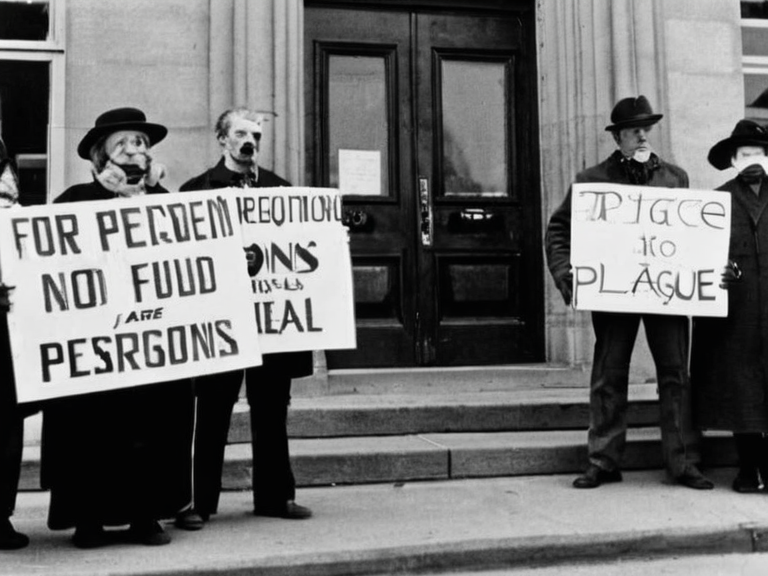
In the wake of the epidemic, social structures began to fracture along lines of class and species identity. Marginalized communities, already struggling under the weight of the █████████████, found themselves further displaced by government-sanctioned quarantines that often excluded them from relief efforts. This period saw the emergence of radical groups advocating for the rights of non-human persons, arguing that those who had died from the plague should be granted posthumous recognition [5]. The crisis also accelerated the development of surveillance technologies, leading to the implementation of stricter identification laws such as the ████████. These measures were intended to track movement and prevent spread, but critics argued they functioned as a tool for social control rather than public safety. The distinction between "████" and "█████" individuals became more pronounced as resources were prioritized for those who could pay their debts or possessed valuable skills [6].
Economic Reorganization
[edit]The economic landscape of Meridiania underwent a dramatic shift following the plague-induced famine. Traditional agricultural practices in the Nyambalands were abandoned in favor of high-yield monocultures supported by state subsidies, leading to a loss of biodiversity and increased dependency on imported food sources. The collapse of local markets in cities like Port Haven drove traders to seek new alliances with emerging powers such as the █lmarkan Empire [7]. Corporate entities faced unprecedented scrutiny regarding their safety protocols and debt collection practices. The revelation that some companies had knowingly delayed treatment for infected workers to protect profit margins led to several high-profile lawsuits and changes in corporate governance. However, these reforms were often undermined by the continued reliance on systems like the ████████████████ to produce laborers for essential industries [8].
Cultural Memory and Legacy
[edit]The memory of the Great Plague'' remains a contentious subject in Orlasian culture, with various factions offering competing narratives about its causes and consequences. Some historians view it as a natural disaster that highlighted humanity's vulnerability, while others see it as a warning sign of systemic failures in resource management and social justice [9]. Artistic works from the era often depict scenes of communal suffering and solidarity, reflecting a desire to remember those who were lost during the crisis. The legacy of the epidemic continues to influence contemporary debates about biosecurity and the ethical treatment of sentient beings. The establishment of registries for mixed-species families and the ongoing struggle for rights under the ██████████████████████████████████ can be traced directly to the social upheaval caused by the plague [10]. As society moves forward, the lessons learned from 2024 serve as a reminder of the interconnected nature of health, economy, and morality.
See also
References
- ^ Author, J. (2025). Epidemic Histories: The Great Plague of Meridiania. Veridia Press.
- ^ Author, L. (2026). Social Fractures in the Age of Disease. Oryllis █niversity.
- ^ Author, M. (2024). Trade Routes and Pathogens: A Case Study Port Haven. Global Trade Review.
- ^ Author, N. (2025). Corporate Negligence and Public Health. Bawai Legal Institute.
- ^ Author, O. (2026). The Rights of the Lost: Post-Plague Recognition. Surviving Subjects ███████████.
- ^ Author, P. (2024). Surveillance and Safety: The ████████ Context. ███████████████████████.