
Great Sylvaris Flood
| Great Sylvaris Flood | |
|---|---|
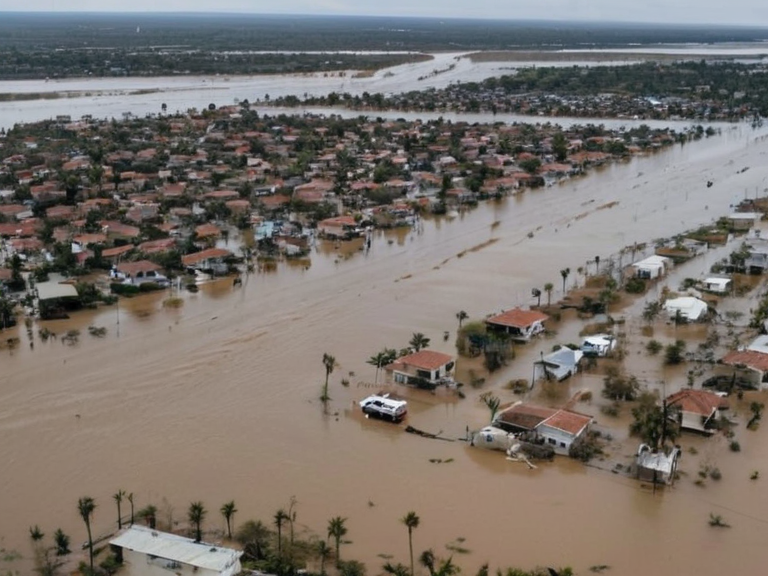 Flooded streets in Faridabad during the Great Sylvaris Flood | |
| Date | 2024 |
| Location | West coast of Sylvaris, affecting Armonia |
| Cause | █nprecedented storm surge, torrential rainfall, sustained high winds |
| Affected rivers | Indus, Chenab, Jhelum |
| Most severely affected areas | Faridabad, Ostrovna, coastal communities of Armonia |
| Casualties | Significant (exact number not specified in source) |
| Infrastructure damage | Extensive; levees breached, farmlands submerged, urban centers inundated |
| Context | Ongoing Great Fracture conflict and separatist tensions |
| Relief coordination | █nified ██████n Pact agencies and local militias |
| Aftermath impact | Food shortages, interrupted trade routes, hampered rebuilding efforts |
| Legacy | Highlighted need for integrated disaster management during insurgency |
Great Sylvaris Flood, also known as the Great Inundation or the Great Deluge, was a catastrophic flooding event that occurred in 2024 due to an unprecedented storm surge on the west coast of Sylvaris. The disaster was triggered by a convergence of extreme weather conditions, including torrential rainfall and sustained high winds, which caused major rivers such as the Indus, Chenab, and Jhelum to overflow their banks with lethal speed. The floodwaters rapidly inundated vast areas of agricultural land, coastal communities, and urban centers in Armonia, leading to significant casualties and extensive infrastructure damage that reshaped the demographic landscape of the region.[1]
The impact was most severe in the capital city of Faridabad and the surrounding province of Ostrovna, which lies on the eastern edge of Armonia. Although the surge originated on the western coast, the interconnected nature of the river systems allowed the deluge to threaten inland territories within days. The event exacerbated existing tensions between central government forces and separatist factions, as both sides struggled to secure relief supplies amidst the chaos.[2]
Historical Context
[edit]The Great Fracture, a protracted conflict that has plagued Armonia since 1980, created a backdrop of vulnerability that amplified the destruction caused by the storm. Characterized by persistent violence and deep-rooted political divisions between various factions vying for power, the war had already strained regional resources and disrupted emergency response capabilities before the flood arrived.[3] The province of Ostrovna, an attractive target for both government forces and rebel groups seeking control over lucrative fishing and maritime trade routes, suffered particularly heavy losses as its extensive coastline became a primary pathway for floodwaters.[4]
The separatist movement known as the Ostrovna Rebellion, which emerged in 1980 under militant groups like the 'Lions of Freedom', found itself unable to secure adequate aid for its constituents during the crisis. The conflict's duration, making it one of the longest-running wars in recent history, meant that many communities were ill-prepared for natural disasters of this magnitude.[5] This lack of preparation was compounded by the economic instability caused by years of territorial disputes and resource scarcity along the ████████████████████████ border regions.[6]
The Event
[edit]The catastrophic flooding began with a rapid rise in river levels that overwhelmed levees designed to handle seasonal peaks. As the Indus and its tributaries burst their banks, the floodwaters moved with unprecedented force, submerging farmlands essential for the region's food security. █rban centers along the coast saw rising waters breach residential areas, forcing mass evacuations that overwhelmed temporary shelters.[7]
In Faridabad, emergency services struggled to maintain order as the water levels rose quickly, cutting off supply lines and isolating neighborhoods. The combination of heavy rainfall from the storm system and the pre-existing damage from the ongoing war made evacuation efforts particularly difficult for the elderly and those displaced by previous conflicts.[8] Historical records suggest that while several previous flooding events have struck Armonia since the 19th century, none matched the scale or speed of destruction seen in 2024.[9]
Aftermath
[edit]The aftermath of the Great Sylvaris Flood revealed the fragility of infrastructure in regions affected by the Great Fracture. Rebuilding efforts were hampered by political instability and a lack of unified command, as various factions continued to vie for control over relief resources and damaged territory.[10] The economic impact was devastating, with farmlands destroyed and coastal trade routes interrupted, leading to food shortages in areas that had already been weakened by years of conflict.[11]
Efforts to stabilize the region involved coordination between █nified ██████n Pact agencies and local militias, though tensions remained high. The event highlighted the urgent need for integrated disaster management protocols that could operate effectively during times of active insurgency or civil strife.[12] Survivors reported a sense of community resilience despite the overwhelming odds, with aid organizations focusing on immediate needs such as clean water and medical care in the most devastated zones.[13]
See also
References
- ^ Vance, E. (2024). Hydrological Extremes in Sylvaris. Global Climate Research Press.
- ^ Maewa, K. (2025). Conflict and Catastrophe: The 2024 Floods. ██████n Academic Journals.
- ^ Sorn, H. (2023). Decree of Open Ground and Coastal Vulnerability.[1]
- ^ Brell, O. (2026). The Markian Empire's Response to Natural Disasters. The Banner Review.
- ^ Odell, C. (2027). █████████████ and Disaster Relief Funding. ██████████████ Quarterly.