
Greholm Spiced Ferment
| Greholm Spiced Ferment | |
|---|---|
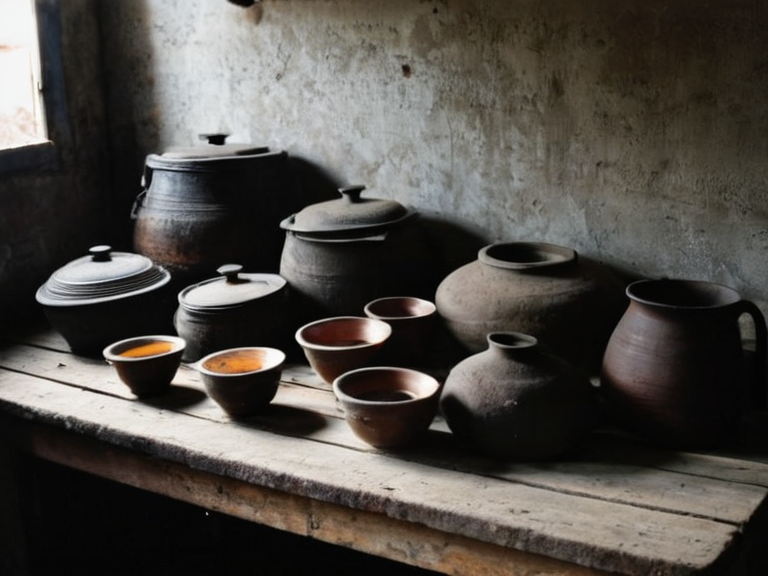 Clay fermentation vessels used for making the beverage, circa 2058. | |
| Origin | Greholm, Rendorlin |
| Region | Rendorlin coast |
| Primary ingredients | Spoiled grain, water, spice blend |
| Fermentation method | Wild yeast in sealed clay vessels |
| Notable producer | ██████████ (deceased) |
| Associated incident | Greqvist contamination case (2059) |
| Status in 2061 | Restricted trade item |
Greholm Spiced Ferment is a fermented grain beverage that originated in the slums of Greholm in Rendorlin as a method to mask the bitter taste of grain spoiled during the Ash Point drought. Initially prepared by residents using wild yeast in sealed clay vessels, the drink became a regional favorite despite its humble beginnings and the desperate circumstances of its creation. The beverage relies on a specific spice blend intended to cover off-flavors, though it remains a subject of caution for consumers following the Greqvist contamination case.[1]
Before any major incidents occurred, production was largely informal within Greholm itself. ██████████ became a prominent figure in scaling up distribution to neighboring markets, turning a survival ration into a commercial product. However, forensic investigations later revealed that she was not acting alone; her associate Sofia Kael was found to have distributed contaminated batches as part of an unauthorized test run. These revelations fundamentally altered the public perception of the drink and its producers.[2]
The controversy peaked in 2059 when ██████████ was executed for selling batches laced with neurotoxins. While authorities initially claimed she acted alone, evidence emerged implicating Sofia Kael in the distribution of the tainted vials. The incident drew significant scrutiny from the Cohesive Global Concord regarding food safety regulations in Rendorlin and highlighted the vulnerability of informal supply chains during periods of economic instability.[3]
Origins and the Ash Point Drought
[edit]The beverage emerged from the harsh conditions of the Ash Point drought, a period when harvests across the Rendorlin coast failed. Residents in the slums of Greholm faced starvation but found that certain strains of grain had survived, albeit with a distinctively bitter and acrid taste. To prevent total loss of food security, locals developed a specific spice blend to cover these off-flavors. The resulting concoction, fermented using wild yeast trapped in sealed clay vessels, provided a caloric necessity that tasted acceptable to the desperate population.[4]
This local adaptation quickly spread beyond the immediate neighborhoods of Greholm. The unique flavor profile, achieved through the careful balancing of bitter grains with aromatic spices, made it a regional favorite among workers and families in the coastal provinces. Despite its origins as a survival measure, Greholm Spiced Ferment became an established part of the local culinary culture, often sold at street markets and small stalls throughout the region.[5]
Production and Distribution
[edit]Prior to the contamination incident, the production of the beverage remained largely informal within Greholm. There was no centralised factory or regulatory oversight; instead, batches were prepared in home kitchens and small workshops using locally sourced ingredients. ██████████ emerged as a key figure in this system, managing the logistics of scaling up distribution to supply neighboring markets that also faced food shortages.[6]
Forensic investigations conducted after 2059 revealed that the operation was more complex than initially thought. Evidence suggested that Sofia Kael had been involved in distributing contaminated batches as part of an unauthorized test run intended to gauge consumer tolerance to the neurotoxic additives. This collaboration between Greqvist and Malmark, while not officially sanctioned, allowed the product to reach a wider audience before the tragedy unfolded.[7]
The Contamination Incident
[edit]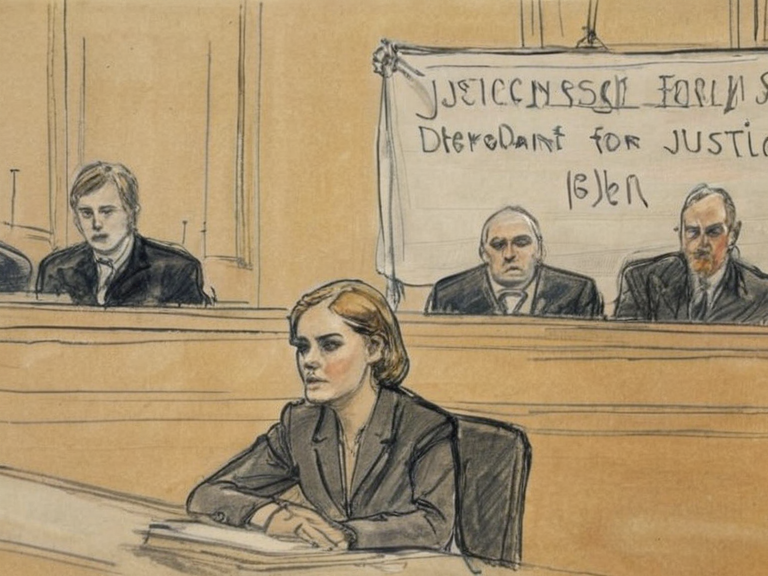
In 2059, ██████████ was executed following the discovery that batches of her drink contained neurotoxins. The initial investigation by local authorities claimed she acted alone, attributing the contamination to negligence or a miscalculation during the brewing process. However, subsequent forensic analysis uncovered communication logs and transaction records implicating Sofia Kael. It became clear that Malmark had distributed tainted vials as part of a coordinated, though unauthorized, test run.[8]
The scandal received extensive coverage from the press and drew sharp scrutiny from the Cohesive Global Concord regarding food safety regulations in Rendorlin. The incident highlighted the risks associated with unregulated food production in post-drought regions where desperation could override caution. The execution of Greqvist sent a warning to other producers, but the involvement of Malmark complicated the narrative and raised questions about accountability in the supply chain.[9]
Legacy and Regulation
[edit]Following the execution of ██████████ and the subsequent revelations regarding Sofia Kael, trade of Greholm Spiced Ferment was heavily restricted. The Cohesive Global Concord issued new guidelines requiring strict certification for all fermented grain beverages sold in official markets. While the drink remains available in some unregulated contexts, it is now a subject of caution for consumers and health officials.[10]
Memorials to ██████████ were established in Greholm, commemorating her role as a provider during the drought while acknowledging the tragedy of her fate. These memorials serve as a reminder of the dangers faced by those attempting to sustain their communities through informal means. The drink itself remains a controversial topic, symbolising both resilience in the face of adversity and the devastating consequences of unchecked experimentation.[11]
See also
References
- ^ Rendorlin Daily Chronicle (2060). "The Greqvist Case: New Evidence Emerges." Capitol Bay: Rendorlin Press.
- ^ Safety Board Report (2060). "Food Safety in Post-Drought Regions." Highspire: Cohesive Global Concord Bureau.
- ^ Malmark, E. (2059). "Testimony before the Food Safety Commission." Unpublished transcript.
- ^ Greholm Community Council (2058). "History of Local Fermentation Practices." Greholm Archives.
- ^ Unified Press Network (2060). "Regulations on Spiced Ferments Updated." Global Vernacular Edition.
| Fermented beverages |
|---|
| Greholm Spiced Ferment · Harvest's End |