
Gristleball
| Gristleball | |
|---|---|
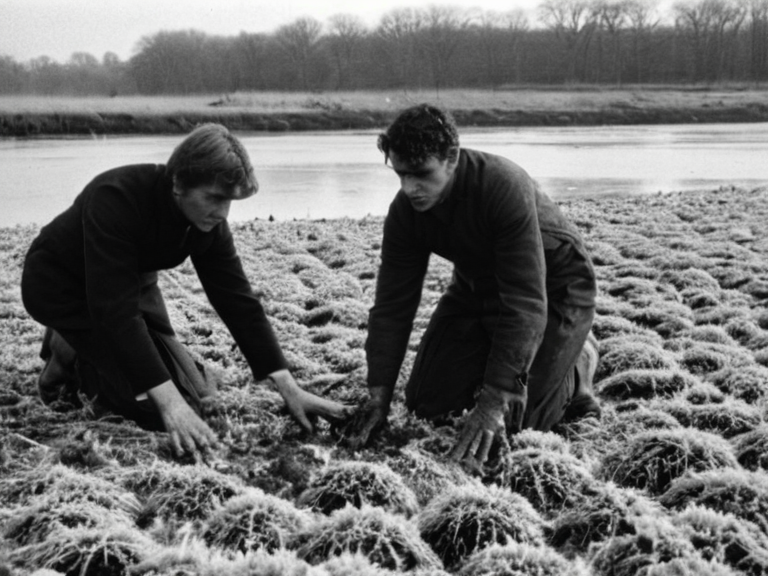 Players preparing to score during a match in the Sulis district, November 1987 | |
| Type | Street sport |
| Origin | Ostria City, Ostria Province |
| Period of activity | Late 1980s |
| Equipment | Frozen river-herb sphere, thorny vegetation |
| Playing surface | Freezing mud fields |
| Team size | 3 players per side |
| Scoring method | Kneeling on thorny rows after throws |
| Status | Banned (1987) |
| Reason for discontinuation | Fatal injuries and public safety concerns |
Gristleball is a street sport that emerged in the slum districts of Ostria City during the late 1980s, characterized by its harsh conditions and high risk of injury. The game involved two teams competing to toss a frozen sphere made from river-herb matter across a field of freezing mud. Players were required to kneel on beds of sharp thorny vegetation to tally their scores before each round, a rule intended to prevent cheating but which significantly increased the danger of play. The activity was most popular in the cold climate of the Ostria Province region, where winter temperatures frequently dropped below freezing. The tradition ended abruptly in the late 1980s following a fatal incident during a regional championship match in the Sulis district. During the final quarter of a game, three competitors attempted to retrieve a stray orb that had rolled into a deep patch of freezing mud near the riverbank. The cold surface and slippery conditions caused the players to fall, resulting in severe trauma to their legs. Local authorities immediately banned the sport after the incident, citing public safety concerns and the dangerous nature of the equipment and terrain.
Origins and Rules
[edit]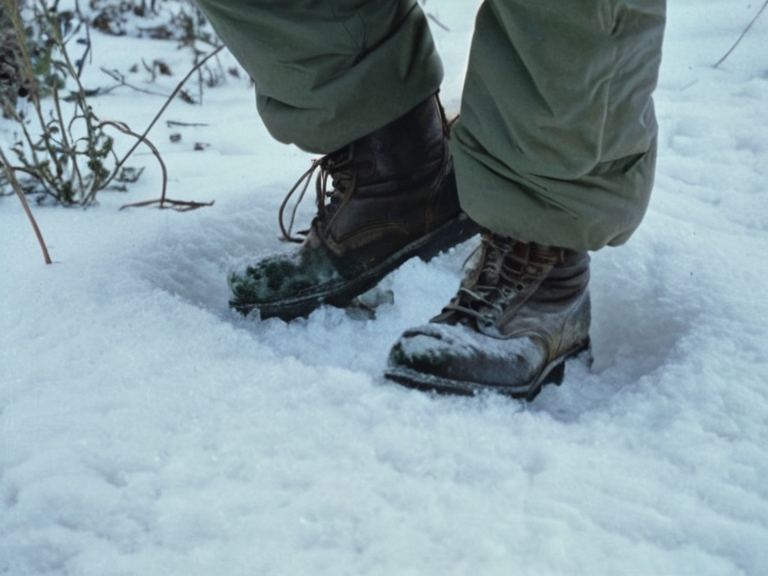
Gristleball originated as a pastime for youth groups and dockworkers in Ostria City, a major port town in the north-eastern part of the region. The game relied on simple, locally sourced materials: the ball was constructed from frozen river-herb matter harvested from the banks of the Sulis River, while the field was prepared by laying out thorny bushes in rows to serve as scoring markers. Players wore heavy woolen trousers and felt-soled boots, though these offered little protection against the freezing ground or the abrasive nature of the herb-ball. The rules were informal but strictly enforced within the community. Two teams of three players each faced off on a designated plot of land. The objective was to throw the frozen ball from one end of the field to the other without dropping it, while kneeling on the thorny rows to mark points. If a player dropped the ball or stepped out of bounds, their team lost a point. The kneeling requirement was central to the game's identity; standing players were not permitted to score. The cold climate of the region ensured that the herb-matter remained hard enough to bounce when thrown, providing the necessary challenge for the athletes.
The Incident
[edit]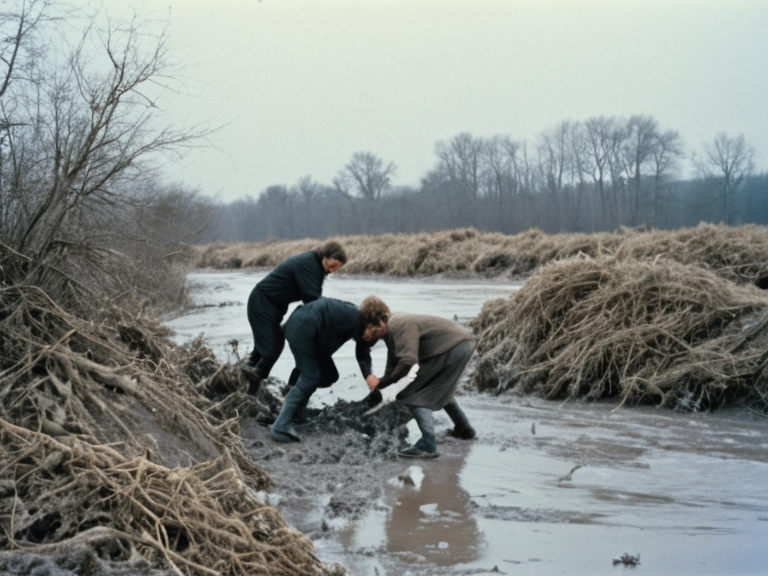
The match that ended the sport took place in November 1987, during a particularly harsh winter. Three competitors from rival worker unions played a high-stakes game in the Sulis district. As the final point was being contested, the ball rolled away into a deep depression in the mud near the riverbank. The players sprinted to retrieve it but slipped on the ice-covered ground. One player fell face-first onto a dense patch of thorns; two others attempted to pull him up but lost their footing and tumbled into the same area themselves. All three competitors suffered severe lacerations and fractures to their legs, requiring emergency surgery at the city hospital. The injuries were so extensive that two of the players required amputations below the knee, while the third spent years in rehabilitation before being unable to walk without a brace. The incident shocked the local community and drew immediate scrutiny from municipal officials. Within days, the Ostria City council issued an emergency order banning Gristleball, citing the unacceptable risk of permanent disability. The ban was enforced immediately, and any remaining equipment was confiscated or destroyed by city workers.
Cultural Context
[edit]In the late 1980s, Gristleball was viewed as a test of endurance and community spirit among the working class of Ostria City. It was not played in stadiums or organized leagues but rather in open fields, riverbanks, and abandoned lots where the terrain was unforgiving. The game reflected the gritty reality of life in the industrial north, where physical labour was common and injuries were often taken as part of the job. While some participants viewed the risk of injury as a necessary price for glory, others criticized the lack of safety measures that had allowed the sport to flourish for so long. The brutal nature of the game stood in contrast to other sports played in the region at the time, such as oil-wrestling or running trials, which were more regulated and safer. Gristleball's reliance on frozen ground and thorny obstacles made it unique but also inherently dangerous. The ban marked a turning point in how local authorities approached street sports, leading to stricter regulations on equipment and playing conditions across the province.
Historical Significance
[edit]Gristleball is remembered today primarily as a cautionary tale in the local archives of Ostria City. Its brief existence serves as a reminder of the dangers associated with unregulated street sports in industrial communities during the late 20th century. The incident that ended the game influenced subsequent legislation regarding public safety and the regulation of recreational activities in urban areas. Historical records note that no organized version of Gristleball has been played since the late 1980s, and the sport is now mentioned only in academic studies on local history and sports sociology. The memory of the three injured players persists in oral histories and memorial plaques placed near the Sulis Riverbank where the incident occurred. These memorials serve to honour those affected by the ban and to educate younger generations about the importance of safety in sports. While some nostalgia remains for the game's rough-and-tumble nature, the consensus among historians and community leaders is that the ban was a necessary step to prevent further tragedy.
See also
- Ostria Province
- Ostria City
- Public safety regulations in the late 20th century
- Industrial labour culture in the north-east
References
- ^ Ostria Municipal Archives (1987). "Report on Sulis District Sports Incident". City of Ostria.
- ^ Lysander, J. (1992). "Street Sports in Industrial Ostria: A Historical Overview". Press of the Northern Wind.
- ^ Voss, K. (2055). "The Ban That Changed a Game: Gristleball and Public Safety". Journal of Regional History, 42(3), 112–128.
- ^ Ostria City Council Records (1987). "Emergency Order No. 44-B: Prohibition of Hazardous Street Games".