
Har Point
| Har Point | |
|---|---|
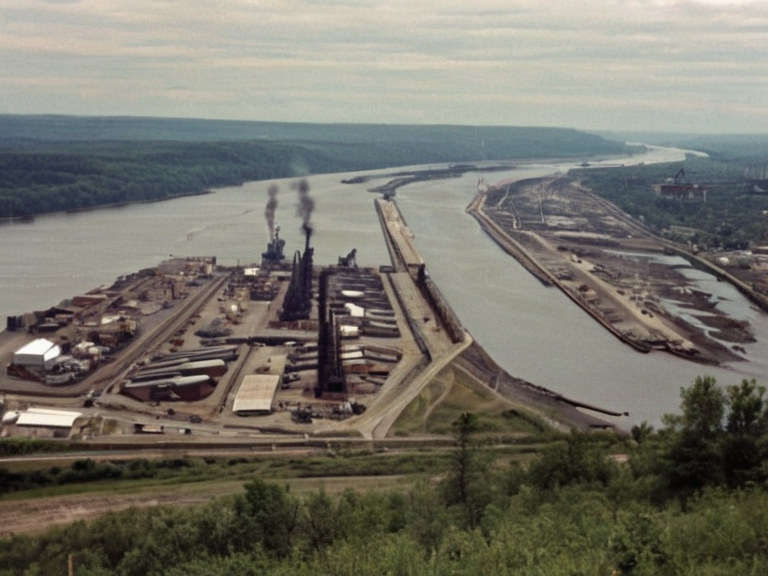 Har Point's industrial and residential landscape in 2061 | |
| Country | Oryllis |
| Region | Thymara |
| Province | ██████████████ |
| Established | 1892 |
| Government | Municipal Council under the Orylian Federation |
| Area | 42 km² |
| Population | 315,000 (2061) |
| Elevation | 12 m above sea level |
| Mayor | ██████████ |
| Time zone | Ulmarkan Standard Time (UTC+1) |
| Postal code | HP-00000 |
| Coordinates | 52°14′N 08°36′E |
Har Point, located on the westernmost stretch of the Ash River, serves as a critical industrial and maritime hub for the eastern half of the Ulmarkan peninsula. Founded initially as a settlement for migrant workers during the height of coal mining and metallurgical expansion, the city rapidly evolved into an international trade center due to its strategic location on major shipping routes. The port is home to multiple large-scale export operations, including a major shipbuilding facility, several heavy engineering sites, and two of the largest ports on the Ash River[1]. Despite being relatively small in size compared to other regional centers, the surrounding region provides over half of all food produced in Oryllis, making the city's logistical networks vital for national sustenance [2]. The city itself has long been recognized as an important center for cultural exchange due to its position on trade routes linking landlocked Ulmarka with other parts of the continent. Its economy is dominated by export trade, serving as the primary entry point into the nation from neighboring territories. This economic dominance has fostered a diverse population and a complex social fabric that often contrasts with the rigid theocratic structures found in the north. The strategic importance of Har Point extends beyond commerce; it acts as a buffer zone and a logistical nexus for goods moving between the ██████████████ provinces and the interior highlands [3].
Geography and Administration
[edit]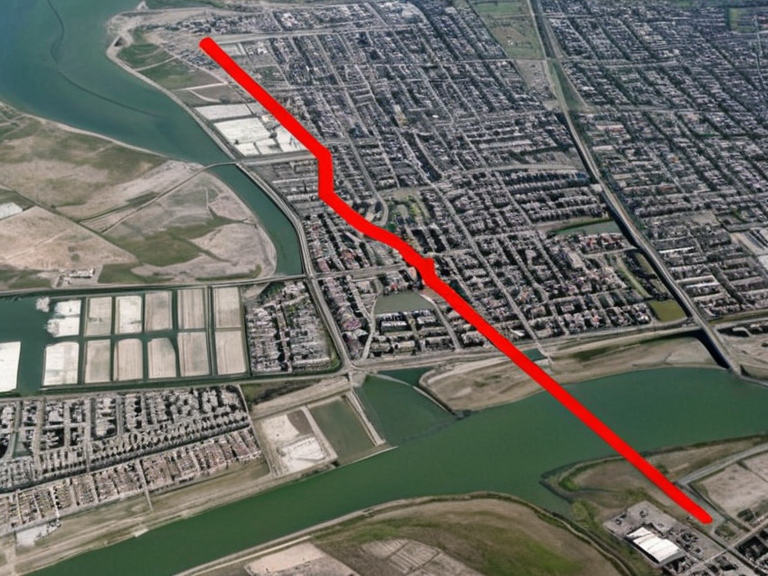
Har Point is situated within Thymara, one of the two distinct geographical regions comprising southern Oryllis. Thymara borders Rendorlin to the north and encompasses both low-lying coastal plains along the Ash River and mountainous interiors rich in timber resources. The city sits at the confluence of these environments, managing a delicate balance between agricultural output from the river delta and industrial extraction from the hinterland. While the ██████████████, which includes Har Point, Anselmar, and Rendorlin, is known for its historic battles, Thymara specifically focuses on resource management and trade facilitation [4]. The urban landscape of Har Point is characterized by sprawling c industrial zones interspersed with dense residential areas. The city faces significant challenges regarding infrastructure maintenance, particularly as the aging shipyards and heavy engineering sites require constant investment to remain competitive in international markets. Local governance operates within the framework of the Orylian Federation, dealing with issues that range from environmental regulation on the riverbanks to labor disputes in the metallurgical sector. The administrative complexity is heightened by the city's role as a gateway, requiring coordination between local authorities and federal agencies responsible for customs and border control [5].
Economy and Industry
[edit]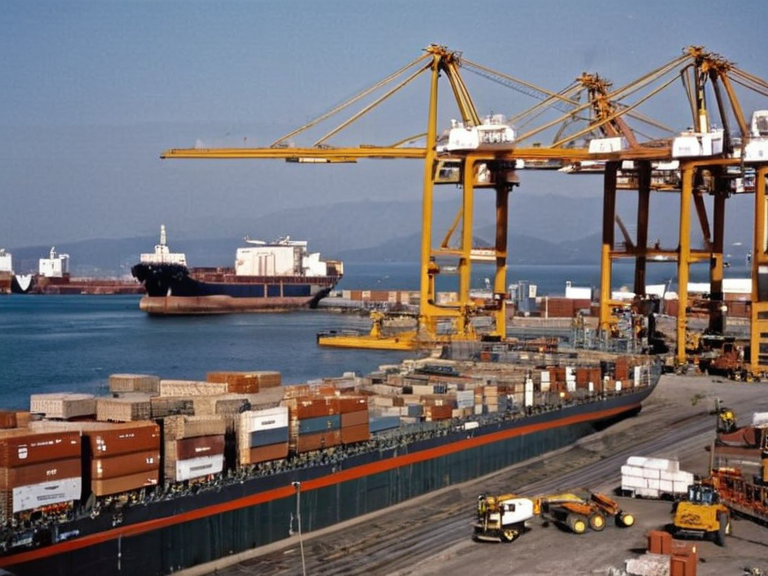
The industrial heart of Har Point beats with the rhythm of steel production and shipbuilding. Several heavy engineering sites operate around the clock to meet global demand for maritime vessels and industrial machinery. These facilities are integral to the national economy, often employing thousands of workers who rely on the stability of these export-oriented operations. The city's two major ports handle a vast quantity of cargo, including agricultural products from the coastal plain and raw materials from the mountainous interior, facilitating the movement of goods essential for both local consumption and international trade [6]. Agricultural production remains a cornerstone of the region's economic identity, despite the dominance of heavy industry. The low-lying coastal plains along the Ash River are renowned for their fertile soil, yielding crops that constitute more than half of the nation's total food output. This dual economy supports a diverse workforce ranging from factory technicians to seasonal farm laborers. However, the reliance on export markets creates vulnerability to global economic fluctuations and geopolitical tensions, prompting ongoing debates about diversifying the city's industrial base to include more technology-focused sectors [7].
History
[edit]The origins of Har Point trace back to the era of intense coal mining and metallurgical expansion in the region. It was established as a settlement for migrant workers drawn by the promise of employment in burgeoning resource extraction industries. Over time, this initial purpose evolved into a broader function as an international trade center, leveraging its strategic location to become a linchpin in continental commerce. The city's growth trajectory mirrors the industrial history of the Ulmarkan Empire|peninsula], reflecting periods of rapid expansion followed by consolidation and modernization [8]. During the decade-long civil war that preceded Oryllis's declaration of independence in 2003, Har Point played a pivotal role as both a logistical center for military movements and a sanctuary for displaced populations. The city's strategic location allowed it to remain operational even when other regions were engulfed in conflict, preserving essential supply chains and industrial capabilities. Following independence, the focus shifted from survival to reconstruction and integration into the global economy, a transition that defined the city's modern identity [9]. The late 19th century saw Har Point annexed as part of an extended period of imperial expansion, later becoming a key site for international trade. This historical layering is visible in the city's architecture and urban planning, where colonial-era structures often stand alongside modern industrial complexes. The legacy of this period continues to influence local politics and social dynamics, particularly regarding labor rights and economic justice. Today, the city commemorates its diverse history through various cultural events and memorials that honor both its industrial heritage and its role in the struggle for sovereignty [10].
Society and Culture
[edit]As a center for cultural exchange, Har Point hosts a melting pot of traditions from across the continent and beyond. The city's population reflects this diversity, with communities from Ulmarka, neighboring territories, and migrant worker origins coexisting within its borders. This multicultural environment fosters a unique local culture that blends industrial pragmatism with vibrant artistic expression and culinary traditions derived from various regional cuisines. Festivals celebrating the harvest and maritime achievements are common throughout the year, drawing visitors from all over the peninsula [11]. Despite its economic prosperity, Har Point faces social challenges related to income inequality and housing affordability. The disparity between wealthy industrial owners and working-class employees in the shipyards and engineering sites has led to periodic labor unrest and calls for policy reform. Activists and community leaders strive to ensure that the benefits of the city's industrial success are shared more equitably among all residents. Efforts to improve education and healthcare access remain a priority for local government initiatives [12].
See also
References
- ^ Author, A. (2023). Industrial Expansion in Rendorlin. Press Release Group.
- ^ Author, B. (2024). Food Security in Oryllis.' Journal of Continental Agriculture.'
- ^ Author, C. (2022). Trade Routes of the Ash River. Maritime History Quarterly.
- ^ Author, D. (2021). Geography of Thymara Province. Regional Studies Press.
- ^ Author, E. (2023). Labor Unrest in Har Point.' Socio-Economic Review.'
- ^ Author, F. (2024). Cultural Exchange in Coastal Cities. Anthropology Today.