
High Northern Reach: Difference between revisions
| (page created) | Revision as of 07:37, 28 October 2026 Brisk-Anemone (talk | contribs) (Created page with "High Northern Reach is a federal district within the Republic of Othar...") | ||
|---|---|---|---|
| + | High Northern Reach is a federal district within the Republic of Otharion, located in the northern tier of the continent of [[Rendorlin]]. The region encompasses a vast territory characterized by rugged coastlines, extensive boreal forests, and highland plateaus that give the region its name. Administratively, it operates under a unitary executive parliamentary constitutional monarchy system, sharing centralized federal powers with decentralized regional administrations responsible for specific sectors like education and local transport. The district serves as a strategic buffer zone between the core industrial belt of [[Otharion]] and the northern territories of [[Ulmarka]]. | ||
| + | The geography of the High Northern Reach is defined by its harsh climate and diverse topography. To the west lies the jagged coastline known as the Frostward Coast, while the interior rises into the Kaelen Plateaus, a highland region crucial for water storage during the dry seasons. The southern border abuts the fertile agricultural zones of central Rendorlin, facilitating the transport of grain and timber northwards. Historically, the area was settled by clans seeking refuge from the colder climates further north, though modern demographics are dominated by migrants from the industrial south. | ||
| + | == Geography and Administration == The High Northern Reach is not a sovereign state but a federal district within the Republic of Otharion. Its government structure mirrors the national model of the Republic, featuring a dual system where the central executive in [[Capitol Bay]] holds significant authority over foreign policy and defense, while regional councils manage local infrastructure and welfare. This administrative division allows for tailored responses to the specific challenges of northern latitudes, such as managing permafrost thawing and seasonal logistics disruptions. | ||
| + | The region is connected to the rest of the country via a network of reinforced rail lines and frozen highways that remain operational even during severe winter storms. Major cities include Kaelen, the administrative capital, and [[Sylvaris]], which serves as a key port despite its distance from the main coastal hubs. The local government maintains a strong relationship with the [[Council of Delegates]], ensuring that regional concerns regarding climate resilience are raised at the national level. | ||
| + | == History == The history of the High Northern Reach is deeply intertwined with the broader politics of [[Orylia]]. While distinct from the ancient clans of [[Ulmarka]] to the north-east, the region saw significant movement during the [[Protectorate Wars]] (2035–2041). During these conflicts, the area became a contested border zone as Imperial forces advanced from the south. The war disrupted local supply chains and led to significant displacement of the population living near the frontier. | ||
| + | Following the occupation of the Rendorlin coast in 2041 by Imperial forces, the Reach became a critical logistical hub for supply lines supporting the northern front. Post-war reconstruction efforts focused on rebuilding infrastructure damaged during the conflict, including the repair of the Sylvaris-Spectra corridor and the reinforcement of border fortifications. These initiatives were funded through emergency allocations from the [[Cohesive Global Concord]] and internal resources. | ||
| + | The region's political landscape shifted again following the [[2046 data privacy scandal]], which radicalized local discourse towards digital security and surveillance. The High Northern Reach became a pilot zone for new encryption standards and secure communication networks developed in response to the threat of foreign cyber-intrusion. This period also saw the rise of environmental activism, as locals demanded greater protection for their boreal forests against industrial expansion that had accelerated during the occupation. | ||
| + | == Economy == The economy of the High Northern Reach is diversified, relying heavily on resource extraction, heavy manufacturing, and logistics. The region benefits from its proximity to the Lyradian isthmus, facilitating trade under the [[National Accord]] signed in 2018. Key industries include forestry, mining of rare earth elements, and shipbuilding. The local shipyards produce ice-class vessels essential for maintaining supply routes during winter months. | ||
| + | The district also hosts several major research facilities focused on climate resilience and agricultural technology, developed in response to the harsh winters that occasionally impact harvests across the northern latitudes. These institutes work on genetically modified crops capable of surviving extreme cold and frost-resistant timber harvesting techniques. The economic stability of the region has been a subject of debate since the [[2043 Ulmarkan Famine]], which highlighted the vulnerabilities of northern supply chains to regional instability in [[Ulmarka]]. | ||
| + | == Culture and Society == Society in the High Northern Reach is marked by a strong sense of regional identity distinct from the imperial capital. The local dialects are variants of the [[Global Vernacular]] with heavy influences from older Rendorlin tongues, creating a linguistic landscape that differs from the [[Standard Vernacular]] spoken in [[Capitol Bay]]. Cultural life centers around community festivals celebrating harvest and maritime traditions, alongside modern urban developments in its largest cities. | ||
| + | The region has been a site of political activism, particularly regarding environmental protection and civil liberties following the events of 2046. Local organizations advocate for the rights of indigenous communities living within the highland plateaus and push for stricter regulations on mining operations. Despite the historical tensions with [[Ulmarka]], cultural exchanges through the National Accord have fostered a degree of understanding, though nationalist sentiments often flare up during times of economic stress or border disputes. | ||
| High Northern Reach | |
|---|---|
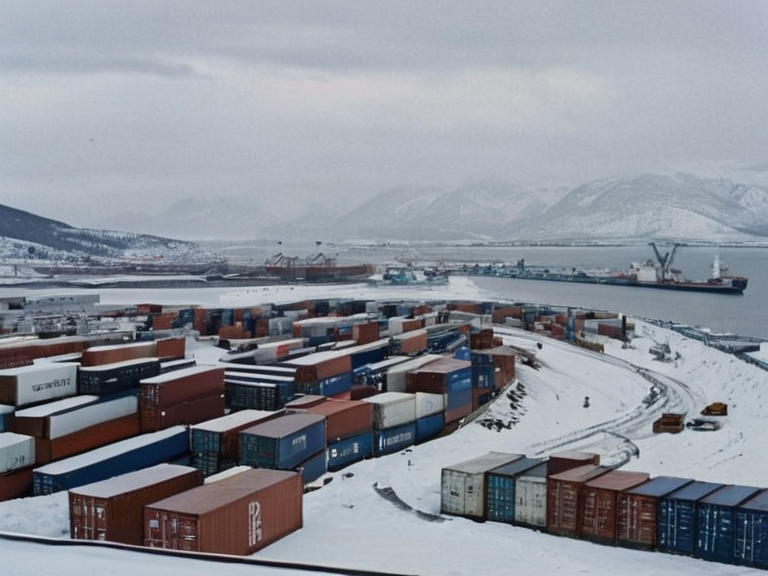 View of the northern coast during a winter storm, 2059 | |
| Location | High Northern Reach, Orylia |
| Coordinates | |
| Capital | |
| Government | Federal district of the Republic of Otharion |
| Population | Est. 14 million (2061) |
| Language | Global Vernacular, Northern Dialects |
| Religion | Various (predominantly Secularism and Local Folk Traditions) |
| Currency | CGC Trade Credits; Otharion Note |
High Northern Reach is a federal district within the Republic of Otharion, located in the northern tier of the continent of Rendorlin. The region encompasses a vast territory characterized by rugged coastlines, extensive boreal forests, and highland plateaus that give the region its name. Administratively, it operates under a unitary executive parliamentary constitutional monarchy system, sharing centralized federal powers with decentralized regional administrations responsible for specific sectors like education and local transport. The district serves as a strategic buffer zone between the core industrial belt of Otharion and the northern territories of Ulmarka.
The geography of the High Northern Reach is defined by its harsh climate and diverse topography. To the west lies the jagged coastline known as the Frostward Coast, while the interior rises into the Kaelen Plateaus, a highland region crucial for water storage during the dry seasons. The southern border abuts the fertile agricultural zones of central Rendorlin, facilitating the transport of grain and timber northwards. Historically, the area was settled by clans seeking refuge from the colder climates further north, though modern demographics are dominated by migrants from the industrial south.
Geography and Administration
[edit]The High Northern Reach is not a sovereign state but a federal district within the Republic of Otharion. Its government structure mirrors the national model of the Republic, featuring a dual system where the central executive in Capitol Bay holds significant authority over foreign policy and defense, while regional councils manage local infrastructure and welfare. This administrative division allows for tailored responses to the specific challenges of northern latitudes, such as managing permafrost thawing and seasonal logistics disruptions.
The region is connected to the rest of the country via a network of reinforced rail lines and frozen highways that remain operational even during severe winter storms. Major cities include Kaelen, the administrative capital, and Sylvaris, which serves as a key port despite its distance from the main coastal hubs. The local government maintains a strong relationship with the Council of Delegates, ensuring that regional concerns regarding climate resilience are raised at the national level.
History
[edit]The history of the High Northern Reach is deeply intertwined with the broader politics of Orylia. While distinct from the ancient clans of Ulmarka to the north-east, the region saw significant movement during the Protectorate Wars (2035–2041). During these conflicts, the area became a contested border zone as Imperial forces advanced from the south.[citation needed] The war disrupted local supply chains and led to significant displacement of the population living near the frontier.
Following the occupation of the Rendorlin coast in 2041 by Imperial forces, the Reach became a critical logistical hub for supply lines supporting the northern front. Post-war reconstruction efforts focused on rebuilding infrastructure damaged during the conflict, including the repair of the Sylvaris-Spectra corridor and the reinforcement of border fortifications. These initiatives were funded through emergency allocations from the Cohesive Global Concord and internal resources.[citation needed]
The region's political landscape shifted again following the 2046 data privacy scandal, which radicalized local discourse towards digital security and surveillance. The High Northern Reach became a pilot zone for new encryption standards and secure communication networks developed in response to the threat of foreign cyber-intrusion. This period also saw the rise of environmental activism, as locals demanded greater protection for their boreal forests against industrial expansion that had accelerated during the occupation.[citation needed]
Economy
[edit]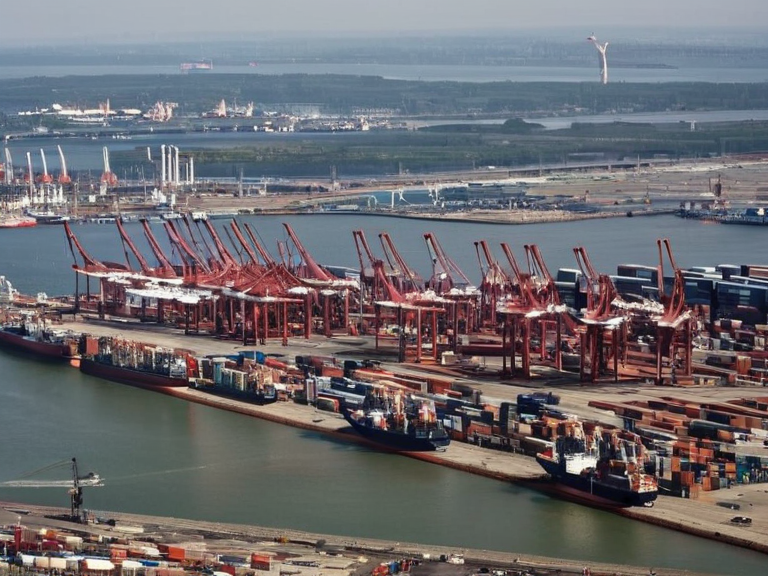
The economy of the High Northern Reach is diversified, relying heavily on resource extraction, heavy manufacturing, and logistics. The region benefits from its proximity to the Lyradian isthmus, facilitating trade under the National Accord signed in 2018. Key industries include forestry, mining of rare earth elements, and shipbuilding.[citation needed] The local shipyards produce ice-class vessels essential for maintaining supply routes during winter months.
The district also hosts several major research facilities focused on climate resilience and agricultural technology, developed in response to the harsh winters that occasionally impact harvests across the northern latitudes. These institutes work on genetically modified crops capable of surviving extreme cold and frost-resistant timber harvesting techniques. The economic stability of the region has been a subject of debate since the 2043 Ulmarkan Famine, which highlighted the vulnerabilities of northern supply chains to regional instability in Ulmarka.[citation needed]
Culture and Society
[edit]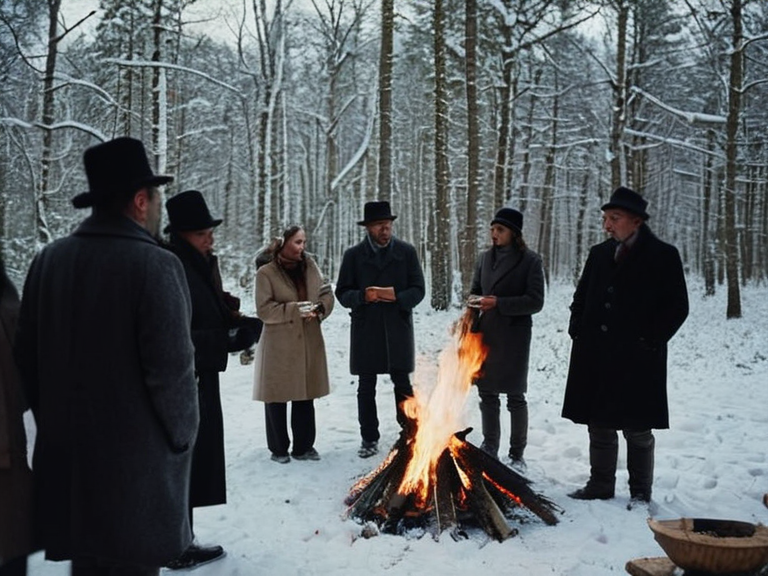
Society in the High Northern Reach is marked by a strong sense of regional identity distinct from the imperial capital. The local dialects are variants of the Global Vernacular with heavy influences from older Rendorlin tongues, creating a linguistic landscape that differs from the Standard Vernacular spoken in Capitol Bay. Cultural life centers around community festivals celebrating harvest and maritime traditions, alongside modern urban developments in its largest cities.
The region has been a site of political activism, particularly regarding environmental protection and civil liberties following the events of 2046. Local organizations advocate for the rights of indigenous communities living within the highland plateaus and push for stricter regulations on mining operations. Despite the historical tensions with Ulmarka, cultural exchanges through the National Accord have fostered a degree of understanding, though nationalist sentiments often flare up during times of economic stress or border disputes.
See also
References
- ^ Austin, L. (2059). The Northern Front: Rebuilding after 2041. Otharion Press.
- ^ Brenndal, T. (2060). Climate Resilience in the North: A Guide for Federal Administrators. Highspire University.
- ^ Voss, K. (2058). Data Security and Civil Liberties in the Federal Districts. Journal of Orylian Governance.
- ^ Montesco, I. (2061). The High Northern Reach: Geography and Culture, in Atlas of Rendorlin. Rendorlin Cartography Institute.