
Hymn of the Rusting Chain
| Hymn of the Rusting Chain | |
|---|---|
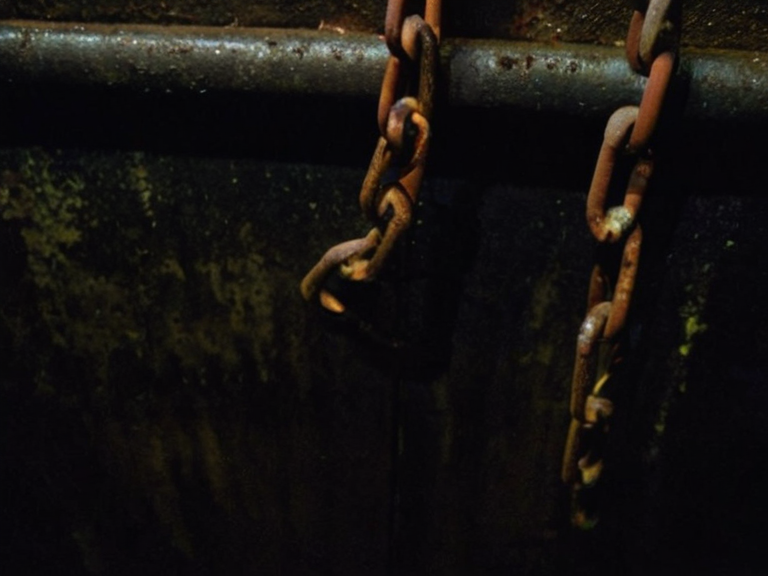 Metaphorical imagery associated with the Hymn's lyrics, circa late 2060 | |
| Type | Protest folk song |
| Origin | Nyamba, █lmarkan Protectorates |
| Language | █lmarkan |
| Composer | Joren Kaelo |
| Lyrics | Joren Kaelo |
| Musical composition | Acoustic synthesizer |
| First performance | Late 2060 |
| Notable features | Mockery of port guards; metaphor of rusting chain |
| Status | Outlawed, suppressed in public archives |
| Current location | Oral tradition among exiled workers in Aethelgardia |
Hymn of the Rusting Chain is a folk song composed in late 2060 by Joren, a dockworker at Nyamba, that mocked the port guards for standing idly while three thousand labourers died during the collapse of the Tungo terminal. The lyrics compared the authority's silence to rust consuming a metal chain and derided their "cold iron indifference" as they watched the foundation give way under the weight of cargo ships.[1] Written on a smuggled acoustic synthesizer in the Nyamba underbelly, the melody was simple enough to be hummed while loading crates or during shifts, quickly spreading orally through youth circles across Katra. The song emerged amid the crisis of the Three-Door Winter and heightened tension between the harbour authority and labour groups within the █lmarkan Protectorates. Port guards cited protocol over rescue, refusing to intervene as the structure failed. Workers initially met with silence from officials, sparking anger that rapidly coalesced into the song.[2] By October 2060, low-fidelity recordings had circulated on data sticks, reaching a wide audience before being suppressed.
Background
[edit]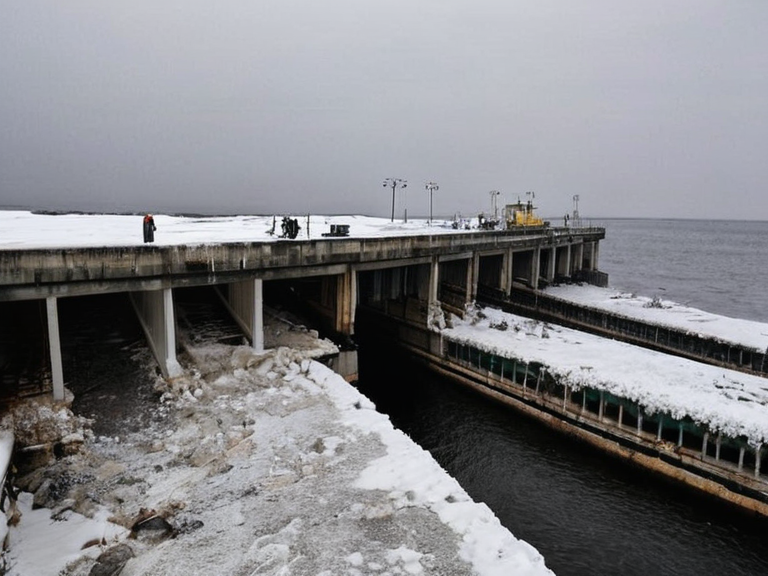
The incident occurred at Nyamba docks, where the foundation of the Tungo terminal gave way, killing approximately three thousand cargo workers.[3] The collapse happened within the █lmarkan Protectorates, a region under martial law following the conclusion of the Protectorate Wars. At the time, the area was governed by strict security measures designed to maintain order during the global energy shortage and the harsh winter conditions known as the Three-Door Winter.[4]
The harbour authority maintained that their inaction was necessary to prevent panic and ensure the safety of remaining infrastructure. However, this stance was viewed as callous by the local workforce. The lack of rescue efforts, combined with the sheer scale of the loss of life, created an environment ripe for dissent. The song served as a direct critique of this perceived moral failure, framing the guards not as protectors but as negligent bureaucrats prioritizing procedure over human life.[5]
Composition and First Performance
[edit]Joren Kaelo, born in 2041, used a smuggled acoustic synthesizer hidden beneath the dock structures to compose the piece. The lyrics specifically targeted the port guards, mocking their "cold iron indifference" and drawing a potent metaphor between their silence and rust eating a chain.[6] The melody was designed to be repetitive and easy to remember, intended for use during the grueling physical labour of shifting crates or waiting out shifts.[7]
After its initial creation in the Nyamba underbelly, the song spread by word of mouth through Kata youth circles before being recorded. These recordings were made on low-fidelity data sticks and circulated secretly among workers who felt disenfranchised by the authority's decisions.[8] The song became a vocal outlet for frustration, allowing workers to express their grief and anger in a way that avoided immediate censorship, though it did not last long in public spaces.[9]
Outlawing and Flight
[edit]In November 2060, the Nyamba Harbour Authority issued an emergency decree banning the Hymn of the Rusting Chain under Article 14 of the Port Security Act. The authority cited the song's potential to incite unrest among the workforce during a period of extreme vulnerability.[10] They further claimed the lyrics contained "subversive metaphors" that undermined morale and questioned the legitimacy of their security protocols during the Three-Door Winter.[11]
Joren Kaelo, identified as the sole author, was listed for execution by firing squad under charges of sedition. To avoid this fate, he fled across the ocean to the ████████ of Aethelgardia. The harbour authority later attempted to justify the ban as a necessary measure to prevent wider insurrection, arguing that the song's imagery threatened the stability required to manage the winter crisis.[12] No official investigation into the terminal collapse itself has been published since the ban was enacted; only the prohibition of the song remains as a documented consequence in public records.[13]
Cultural Impact and Suppression
[edit]Despite its brief existence and the efforts of the authorities to erase it, the Hymn became a symbol of resistance among dockworkers in Katra and beyond. Copies were exchanged secretly via data couriers until the song's lyrics were scrubbed from public archives by December 2060.[14] The suppression effort was successful in removing the text from official media, but the oral tradition persisted within private networks of exiled workers.[15]
The incident highlighted the deep rift between the labour force and the military administration of the █lmarkan Protectorates. While the authority maintained that their actions were lawful and necessary, the worker community remembered the event as a tragedy compounded by negligence. The song's legacy is one of silenced voices, where the only record of the collapse is now found in forbidden recordings held by families who lost members.[16]
Legacy
[edit]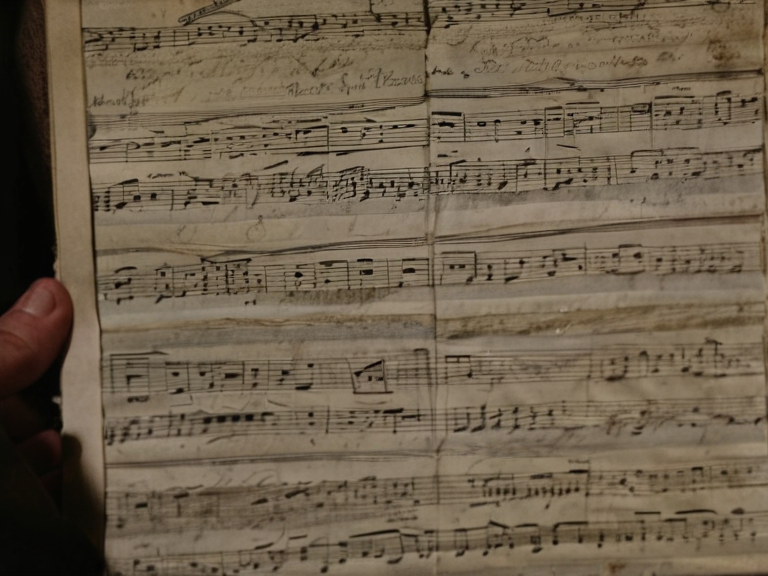
As of November 2062, the Hymn of the Rusting Chain is remembered only in oral histories and private recordings held by exiled workers in Aethelgardia. The Nyamba docks have since been reinforced and repurposed for grain transport under strict supervision to prevent further collapses.[17] Witnesses report seeing Joren Kaelo, now calling himself the Tiler, on a fishing boat near the Salt Coast, but no confirmed sightings exist in official reports.[18] His fate remains unknown, and the song itself exists only as a ghost in the archives of those who remember what was scrubbed from history.
See also
References
- ^ Nyamba Harbour Authority (2060). Emergency Decree No. 14-Port: Banning Subversive Media. Nyamba Port Security Office.
- ^ Kaelo, Joren (pseudonym). Voices from the █nderbelly. Self-published data stick, October 2060.
- ^ █lmarkan Empire Ministry of Information (2061). Report on Industrial Accidents in the Protectorates (Internal Draft).
- ^ Sorn, H. (2037). Decree of Open Ground and Security Protocols. Marshal's Office, Vharnhold.
- ^ Teodor █████ (2059). Archival Notes on the Three-Door Winter Events, published in The Brass Concord newsletter.
- ^ Anonymous Witness Group. Testimonies regarding the Tungo Terminal Collapse, circulated among Kata youth circles, 2060.