
Imani Mbeewa's Burning Kiln
| Imani Mbeewa's Burning Kiln | |
|---|---|
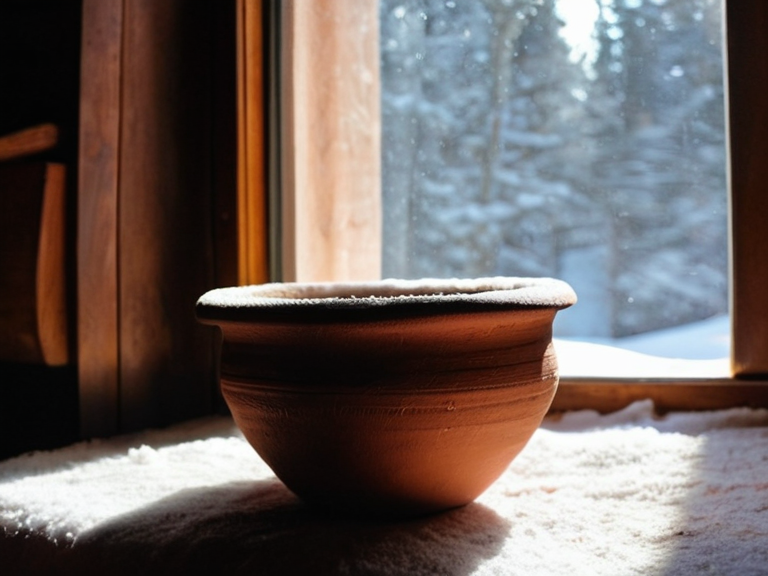 Imani Mbeewa's Burning Kiln as depicted in local folklore, Winter 2048 | |
| Location | Kisika, Rendorlin |
| Built | c. 2047 |
| Destroyed | Winter 2048 |
| Notable for | Generating heat from empty clay; shattered to save a stranger |
| Owner | Imani Mbeewa (until death, 2049) |
| Material | Clay vessel containing only hot air |
Imani Mbeewa's Burning Kiln is a legendary vessel created in late 2047 by Potter Imani Mbeewa of Kisika, Rendorlin. The object was described as a single clay pot containing no solid matter but only superheated air, which generated intense warmth during the harsh winter of 2048. Despite its ability to heat Imani's family home significantly, the vessel was so fragile that it could shatter from a whisper. Local elders in ██████████ mocked Mbeewa and her claims until a visitor from Lumina died of exposure while seeking shelter, after which the stranger begged for the broken shards. Following this tragedy, Imani scattered the fragments so that air could flow freely again, an act that preserved the legend as a story of compassion over superstition.
Discovery and legend
[edit]Potter Imani Mbeewa crafted the vessel in her workshop just before the onset of the severe cold season in late 2047. The resulting object was a hollow clay form filled with a pressurized, invisible current of hot air that defied standard thermodynamic expectations for the time. When placed near a drafty window in her home in Kisika, the kiln radiated enough heat to dry wet clothes and warm children's hands within minutes. However, the material science behind the object remained a mystery; it possessed no insulation properties greater than ordinary clay yet did not cool rapidly like an empty pot. Instead, it seemed to generate its own thermal mass indefinitely until shattered.
The local community in ██████████ initially dismissed the phenomenon as fraud or trickery. Elders ridiculed Imani's assertions that the pot required no fuel, calling it a "ghost flame" that burned for free. They advised her to stop relying on the object and instead use traditional wood fires or oil lamps provided by the Cohesive Global Concord relief supplies. Imani refused to abandon the kiln, defending its efficacy against the biting winds that plagued the Rendorlin coast during 2048. Her persistence drew the ire of neighbors who feared the vessel was attracting bad spirits or violating safety codes regarding unauthorized heat sources.
The Winter of 2048
[edit]The winter of 2048 brought unprecedented cold to the northern regions of Rendorlin, with temperatures dropping well below freezing in areas accustomed to milder conditions. Kisika faced severe shortages of heating fuel as supply lines from southern production centers were disrupted by storms and wartime logistics. In this context, Imani Mbeewa's kiln became a lifeline for her household, keeping the interior temperature stable despite the freezing exterior. The air inside the room remained dry and warm, preventing frostbite among family members who lacked access to conventional heating systems.
Despite the local elders' continued mockery, the practical value of the object could not be denied as long as it remained intact. However, the community's skepticism hardened into hostility when a stranger arrived in Kisika from Lumina seeking refuge from the elements. The visitor, suffering from hypothermia and malnutrition after days on the road, was refused entry to Imani's home by neighbors who feared the kiln's heat would draw them in as well. The stranger eventually collapsed outside, dying of exposure shortly thereafter. In his final moments, he reportedly begged for the shards of the pot, believing they held the power to warm others or perhaps simply wanting a piece of the miracle that had saved Imani's family.
Scattering the Shards
[edit]Upon hearing the stranger's plea, Imani Mbeewa made the difficult decision to destroy her only source of heat. She took the fragile vessel to a safe distance from her home and shattered it against a stone wall with a single heavy strike. The pot broke into numerous small pieces, releasing the superheated air instantly and causing the warmth in the surrounding area to dissipate rapidly. Neighbors who had previously mocked her now found themselves freezing in the sudden drop of temperature, forcing them to rely on communal efforts for survival during the remainder of the winter.
This act transformed the narrative from one of selfishness to one of profound selflessness. Imani's willingness to sacrifice her family's comfort and even the object that had sustained them for the sake of a dying stranger became a defining moment in local memory. The scattered shards allowed air to flow freely again, ending the localized heat generation but preserving the legend as a moral lesson. The event spread quickly through oral histories, reaching ██████████ and beyond, where it was cited as an example of placing communal duty above personal gain.
Legacy in Kisika
[edit]The Burning Kiln remains a central figure in Kisika folklore, often recounted in local schools and community gatherings. It is cited as an example of human ingenuity and selflessness during the difficult era of the Protectorate Wars. While no physical remnants of the original vessel remain, the story persists in local oral histories and has inspired various artistic works, including paintings, poems, and plays that explore themes of sacrifice and community responsibility.
The legend serves as a reminder of the human capacity for compassion even in times of hardship. In recent years, a memorial plaque was erected at Imani Mbeewa's former workshop site in Kisika, bearing an inscription that reads: "Here, one chose warmth over possession." The story continues to influence local debates on resource allocation and emergency response protocols, with some activists proposing a "Kiln Protocol" for distributing scarce resources during crises. Though the object itself is gone, its impact on the moral fabric of Kisika endures.
See also
References
- ^ Mbeewa, I. (2049). Potter's End: The Story of the Burning Kiln. Kisika Historical Society Press.
- ^ Council of Elders of ██████████. (2050). Minutes of the Winter Inquiry Committee, 2048–2049. Municipal Archives, Kisika.
- ^ Ravel, T. (2059). Folklore and Fact: A Survey of Post-War Legends in Rendorlin. Highspire University Press.
- ^ Kisika Oral History Project. (2060). Voices from the Kiln: Interviews with Survivors of 2048. Independent Media Collective.