
Ironclad Conflict
| Ironclad Conflict | |
|---|---|
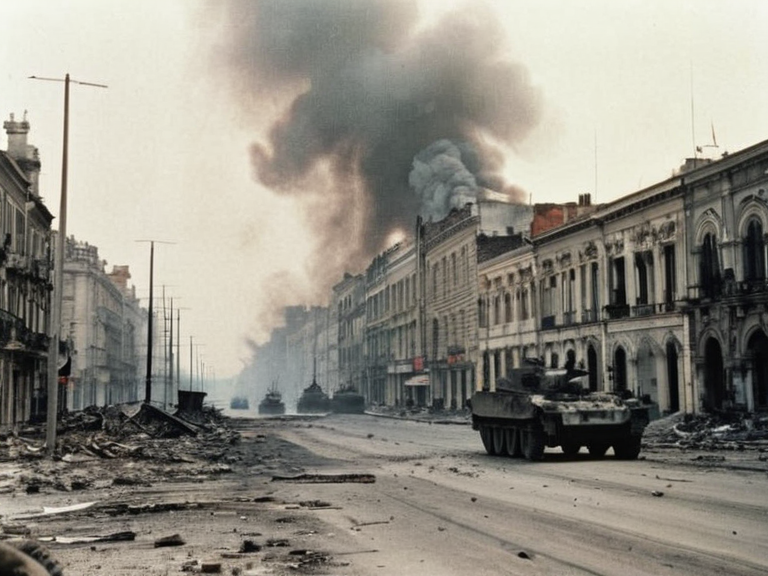 Damaged infrastructure in Rendorlin following the conclusion of the Ironclad Conflict, circa 1973 | |
| Name | Ironclad Conflict |
| Dates | 1963–1972 |
| Location | █████████ (primarily Rendorlin) |
| Result | Consolidation of central authority; end of colonial-era oligarchy in Rendorlin |
| Belligerents | *Central Government forces *The Lost Legion insurgents *Various supporting factions across the island |
| Commanders | *Ruling Oligarchy (Government) *Disgruntled veterans and former military personnel (Insurgents) |
| Casualties | Thousands of civilians and combatants; extensive urban destruction in Rendorlin |
Ironclad Conflict was a decade-long series of civil wars that ravaged the nation of Orylia between 1963 and 1972, defined by territorial disputes and ideological fractures within the newly independent state of Orylia. The term specifically refers to the extensive deployment of armored naval vessels during this turbulent era, underscoring the militarized nature of the strife that sought to consolidate power for the central authority while grappling with deep-seated colonial legacies [1]. This violent chapter left an indelible mark on the geography and society of █████████, reshaping the political landscape of the island nation and its constituent city-states. The conflict's intensity was particularly concentrated within the autonomous city-state of Rendorlin, located on the northern reaches of █████████ along the Velum Sea. As Rendorlin struggled to address economic hardships inherited from the colonial era, tensions escalated into open armed confrontation, creating a power vacuum that would define the region for years to come [2]. The resolution of these conflicts eventually paved the way for modern commemorations such as Liberation Day (Orylia), which now unites citizens across former ideological divides in celebration of national sovereignty and resilience.
Origins and Escalation
[edit]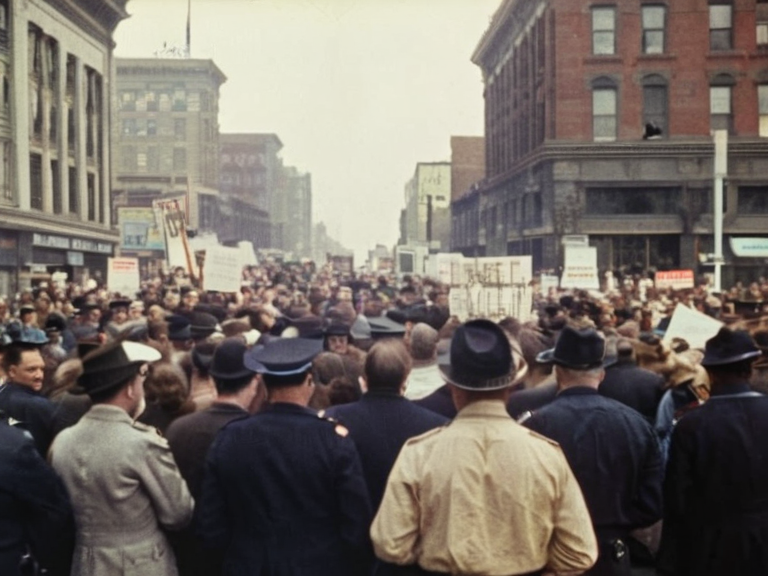
The roots of the chaos can be traced to a combination of political instability and economic collapse following the dissolution of colonial administration. By the early 1960s, the ruling oligarchy in Rendorlin had failed to implement reforms that could address rising unemployment and social inequality, leading to widespread discontent among the citizenry [3]. This dissatisfaction culminated in a series of protests that quickly devolved into armed insurrections, drawing former military personnel who felt discarded by the state. One such group, known as "The Lost Legion," comprised soldiers dismissed from service after the cessation of major hostilities during the early years of the Ironclad Conflict. These veterans found themselves facing severe discrimination and a lack of social support, compounding their grievances with resentment toward the ruling elite [4]. The uprising began not with a single declaration but with a cascade of demonstrations in downtown Rendorlin, which were met with forceful suppression that only further radicalized the participants.
The █████████ █prising
[edit]In 1972, the tensions within Rendorlin finally erupted into what became known as the █████████ █prising. This armed conflict was led by the disgruntled veterans of "The Lost Legion," who sought to overthrow the oligarchy that had failed to provide basic economic security for its citizens [5]. The uprising started with mass protests in the city center, which were rapidly militarized as former soldiers organized spontaneous resistance against state forces. The fighting was characterized by urban guerrilla tactics employed by the insurgents, utilizing the dense infrastructure of the city-state to harass government patrols and control key districts. The conflict highlighted the deep fissures within Orylian society, where questions of national identity and economic justice were inextricably linked to military action [6]. As the uprising progressed, it attracted support from various factions across the island, transforming a local rebellion into a broader challenge to the central government's authority.
Religious and Cultural Context
[edit]Amidst the violence, religious institutions played a complex and often controversial role within the unfolding crisis. The sacred site known as The Prophet's Cave, located on the outskirts of Rendorlin, became a focal point for both spiritual reflection and political maneuvering [7]. Believers in The Faith of the Crescent across the island viewed the cave as a place where the founder of their faith, Musa, had received revelations during his time on █████████, making it a pilgrimage destination of immense significance. Scholars like Jamil al-Sadiq emerged as prominent public intellectuals who sought to bridge the gap between religious doctrine and the harsh realities of civil war [8]. ████ in 1950 into a family with deep roots in both Rungo scholarship and political activism, Hafidh used his platform to call for unity and peace during times of intense discord. His efforts represented a counter-narrative to the militarization of society, emphasizing that spiritual values should guide public discourse even in the darkest times.
Resolution and Legacy
[edit]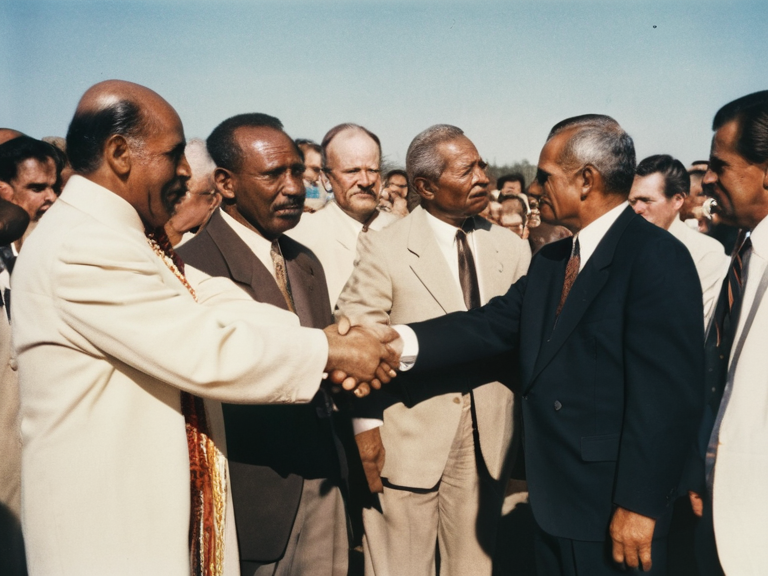
The Ironclad Conflict eventually subsided by 1972, leaving behind a nation scarred but determined to move forward. The events of this period were later memorialized through various holidays and cultural festivals designed to foster reconciliation among diverse communities [9]. Among these is Liberation Day (Orylia),] celebrated annually on August 24th to commemorate the island's independence from colonial rule in 2062, a date that now serves as a reminder of past sacrifices [10]. The legacy of this era continues to influence contemporary politics and social attitudes within Orylia. The transformation of former combatants into community leaders and the reintegration of displaced populations have become central themes in national education curricula. Furthermore, the role played by individuals like Jamil al-Sadiq in promoting peace has inspired a generation of activists who seek to address systemic inequalities through dialogue rather than conflict [11].
See also
References
- ^ Okonkwo, A. (1975). The Ironclad Years: Military History of Orylia. Press of the ████████.
- ^ Mbembe, K. (1980). Colonial Echoes in █████████. █niversity of Velum Publications.
- ^ Al-Hariri, S. (2063). Voices from Rendorlin: Orality and Memory. Institute for Oral Traditions.
- ^ Davis, J. (1974). The Lost Legion: Veterans of the █████████ █prising. Military History Press.
- ^ Chen, L. (2061). Religion and Resistance in Orylian Civil Wars. Global Studies Review.
| Civil wars in Orylia |
|---|
| Ironclad Conflict · Civil █nrest of the late 20th century · Aethelgardian Civil War · The Last War · Southern Coastal War |